Benefits of Agricultural Fans for Barns
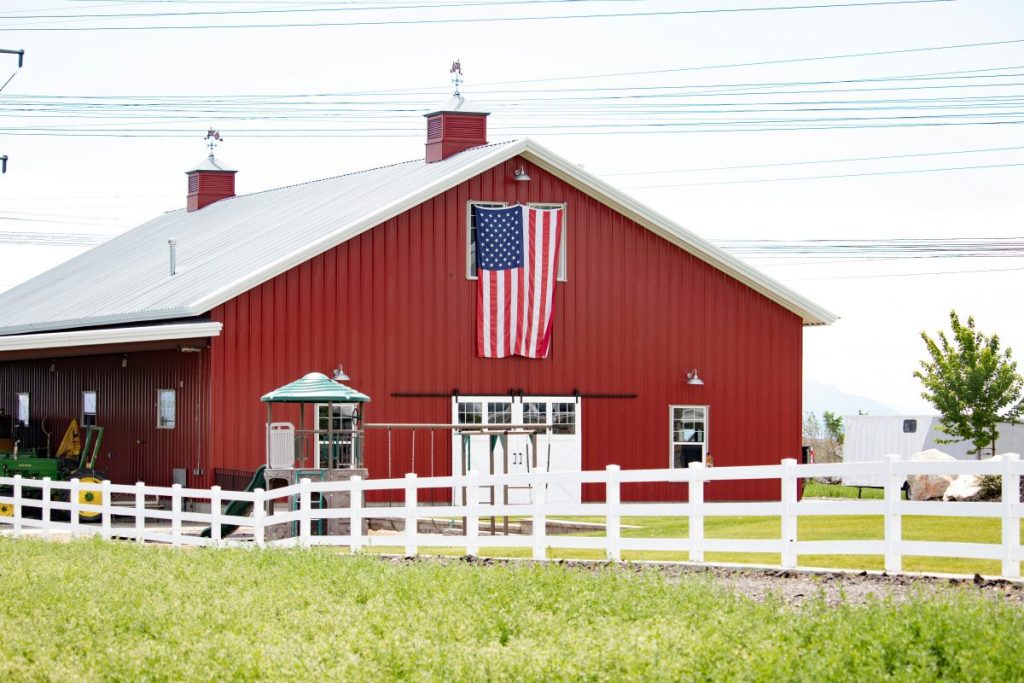
Farmers and growers face unique challenges in managing livestock like hogs, cows, horses, and poultry. They must keep their animals comfortable and productive. At the same time, they must keep their workers safe on the job.
Agricultural fans help the air circulation in barns by providing a quiet, even and gentle breeze. These high-volume, low-speed fans are vital to your farm workers’ and livestock’s health, wellness, and safety. Leading growers and farmers use them to improve airflow.
Here are the benefits of agricultural fans for barns.
Improve Air Quality
Agricultural fans provide crucial air circulation in barns. By adding airflow to air that becomes stale and stagnant, improved ventilation can significantly improve air quality.
What does this mean? You can eliminate airborne contaminants, such as dust, pathogens, fumes, and gases, that can cause respiratory illness in livestock and workers.
Better air quality will also, in turn, decrease animal odours that can make working in barns unpleasant for your workers. For example, you can reduce harmful ammonia in the air, which causes a sharp and suffocating odour.
Balanced Humidity
Condensation and humidity lead to poor barn conditions. Excessive moisture in the air encourages bacteria, mould, and mildew. In turn, this risks livestock and workers.
Barn fans mix the air, which is called destratification. In cool, wet months, fans ensure balanced humidity. It is more common to use fans during warmer months to create a cool breeze. This keeps all barn areas at the same temperature and humidity level to keep the indoor environment healthy all year round.
Agriculture fans can control moisture levels and reduce excess humidity and condensation by promoting air circulation. Better ventilation in your barns will minimize temperature variations. You can eliminate hot and cold spots that create microbial buildup and dampness, negatively affecting animal bedding.
Eliminating wet bedding can keep animals healthier and more comfortable. Consistent temperature distribution improves animal health, wellness, and comfort.
Improve Animal Comfort and Safety
Better airflow means healthier and more comfortable animals. It is common for livestock to experience heat exhaustion and heat stroke as the temperature rises, particularly in humid and hot climates.
A naturally ventilated enclosed barn typically has temperatures above outside temperatures year-round. Without proper air circulation in barns, livestock absorbs more heat during the warmer months, leading to sweating, higher body temperatures, and elevated respiration.
Stressed livestock undergoing heat stroke demand more drinking water and are less productive. You can optimize your animals’ feed conversion ratio by reducing heat stress.
Agricultural fans help livestock maintain a comfortable body temperature by dissipating excess heat on their skin through moisture evaporation. Less humidity translates into a healthier and hygienic environment.
Improved Productivity
Cows stressed by their environment stand more. However, as all dairy farmers know, cows produce more milk when lying down. This is just one example of how improving animal comfort will improve their productivity.
Providing optimal ventilation in your barns and taking advantage of farm land financing for better facilities can reduce undue stress from heat stroke, respiratory conditions, and other risks to animal health and wellness. This is caused by poor air quality. You’ll increase your feed conversion rate, translate it into larger animals, reduce mortality, and improve livestock performance. This will ultimately enhance farming profitability.
Animal productivity and performance have improved, too. Studies show that poor working conditions, such as uncomfortable working temperatures, lead to low employee morale and disengagement. This, too, translates into lowered worker productivity on your farm.
Eliminate Pests
Where moisture is excessive, pests. Birds, rodents, and insects are prevalent in agricultural settings. They are commonly found in barns. Most pests thrive in moist environments, and they’re naturally attracted to buildings with high moisture levels, such as barns.
Unfortunately, pests can threaten your barn animals by causing irritation and spreading diseases. Farming also damages produce and causes an unhygienic environment through their droppings. Moisture reduction is critical to effective pest control. As mentioned above, agricultural fans effectively regulate barn temperatures and humidity levels. Most pests will not adapt to a dry indoor environment.
Constant, massive air movement can discomfort rodents and birds. The noise of the fans can startle them and deter them from staying in your barn. Even tiny flying pests like insects will be deterred by the increase in airflow caused by fans, as it can cause them to lose control of their flight pattern. This makes a barn with ventilation an inhabitable environment for them.
By improving the air quality in your barns, you can improve herd health and safety through effective pest control.