How to Compose Essays on Discrimination and Prejudice: A Step-by-Step Guide
Writing essays on discrimination and prejudice involves navigating complex topics that are deeply rooted in society. These essays offer an opportunity to explore the multifaceted nature of bias, its origins, impacts, and potential solutions for fostering a more inclusive world. Given the sensitivity and depth of these topics, crafting an insightful essay requires careful thought, thorough research, and a nuanced approach. Here, we provide a comprehensive guide to help you compose essays on discrimination and prejudice, drawing inspiration and guidance from sample essays available on online platforms like EssayGPT.

Understanding Discrimination and Prejudice
Define Your Terms
Before diving into writing, it’s crucial to clearly define discrimination and prejudice. Discrimination entails actions or policies that unjustly target individuals or groups based on inherent traits, such as race, gender, age, or sexual orientation. Prejudice, however, refers to preconceived opinions or attitudes towards people based on their membership in a particular group. Grounding your essays on discrimination and prejudice with precise definitions sets a solid foundation for your argumentation.
Explore Historical Context
Discrimination and prejudice have historical roots that influence their manifestation in contemporary society. Investigate the historical background of the specific type of discrimination you’re discussing. For instance, if you’re focusing on racial discrimination, examine its evolution throughout history. Leverage historical analyses, such as those found in the “Essay on Jo Goodwin Parker. What Is Poverty?” and “How The Ku Klux Klan Affected America” from platforms like EssayGPT, to contextualize your argument.
Structuring Your Essay
Introduction
Begin with an engaging introduction that highlights the significance of the topic. Present a thesis statement that clearly outlines your essay’s main argument or perspective. Utilizing a provocative quote or statistic, much like those in sample essays on discrimination and prejudice, can captivatingly set the stage for your discussion.
Body Paragraphs
Organize your essay into coherent sections, each addressing a different aspect of discrimination and prejudice.
Causes and Manifestations
Dedicate a section to exploring the causes of discrimination and prejudice. Look into psychological, social, and economic factors that contribute to these biases. Reference examples from sample essays such as “Definition Of Prejudice” to illustrate these points effectively.
Personal and Societal Impacts
Another section should focus on the impacts of discrimination and prejudice on individuals and society. Utilize case studies or draw parallels with essays like “Poverty As Depicted In The Film ‘Central Station’,” emphasizing real-world implications.
Addressing and Combating Prejudice
Discuss potential measures for addressing and combating discrimination and prejudice. Examine legislative, educational, and societal interventions. Inspiration can be drawn from proactive strategies outlined in essays such as “Reaction Paper On Lookism.”
Conclusion
Conclude by summarizing your main points and reiterating the importance of tackling discrimination and prejudice. Emphasize the role of empathy, education, and collective action in fostering inclusivity, much like the call to action seen in “All Children Should Take Poverty 101 By Donna Beegle: Article Summary.”
Crafting Your Essay
Research and Analysis
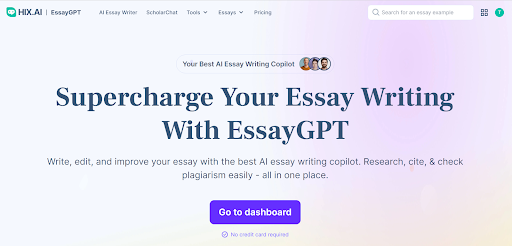
Engage in thorough research, using reputable sources to gather evidence supporting your arguments. Online platforms like EssayGPT can be invaluable for accessing a wide range of essays that provide insights into various dimensions of discrimination and prejudice.
Critical Thinking and Reflection
Apply critical thinking to analyze arguments and reflect on your personal experiences or observations related to the topic. Essays on discrimination and prejudice are not just academic exercises; they’re opportunities to deepen your understanding and advocate for change.
Revision and Editing
Revise your draft multiple times, focusing on clarity, coherence, and argumentative strength. Utilize tools like essay checkers and editors available on platforms like EssayGPT to refine your language and ensure your essay is free of errors and plagiarism.
Conclusion
Composing essays on discrimination and prejudice demands a balanced mix of empathy, rigor, and reflection. By following this guide and leveraging resources like sample essays, you can craft a compelling essay that not only explores the complexities of these social issues but also contributes to the broader conversation on equality and justice. Remember, the goal is not just to inform but to inspire action towards creating a more inclusive society for all.