Coronavirus Panic: Hand Sanitizer, Face Masks, and What Experts Say You Should Do
 Americans are understandably concerned about the spread of the coronavirus, but concern has rapidly turned to panic for many. Approximately 29 people in the U.S. are killed every day in motor vehicle accidents involving a driver under the influence of alcohol, yet people in this country are much more afraid of contracting the potentially deadly COVID-19.
As a result of the mass hysteria, stores are having a hard time keeping pace with consumer demand for hand sanitizer and face masks. Many stores’ shelves have been completely cleared of hand sanitizer, prompting online retailers with sanitizer still in stock to raise prices. It’s hard to say when hand sanitizer will be readily available again, as retailers are scrambling to restock. Nielsen, a market research firm, reported that U.S. sales of hand sanitizers rose 73% in the four-week period between January and February 2020, compared to the same time frame in 2019. Demand is also high for toilet paper and bottled water.
But experts say there is no need to hoard these items and that there’s no need to panic over the virus. Here’s some basic information that should help you calm down if you’re worried, and give you advice on what to do — whether you’re sick or not.
What Experts Think of DIY Hand Sanitizer
With stores and online retailers selling out of hand sanitizer, you’ll find recipes for making your own. In seconds, an Internet search will pull up numerous videos, visual guides, and even news articles about DIY hand sanitizer. To make hand sanitizer at home, you’ll need to use some of the 300 gallons of water you likely use daily in your house and combine it with alcohol.
But you’ll have to get the ingredients just right. In order to be effective, your concoction would need to be at least 60% alcohol, according to the U.S. Centers for Disease Control and Prevention (CDC). You would also need to include emollients in your recipe to keep the alcohol from harming the skin. Many medical experts advise against homemade sanitizer. What you make might not be effective, and it could even hurt you.
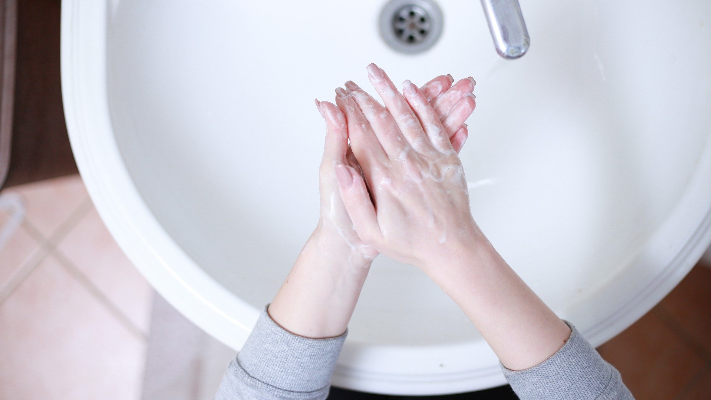
The other reason for skipping DIY hand sanitizer is that handwashing with soap and water is the best method for preventing the spread of the coronavirus. The CDC advises washing using warm or cold water and lathering up with soap for 20 seconds so that it covers all surfaces of the hands, including under the nails and between fingers. Washing your hands properly is more effective than using hand sanitizer.
Don’t Assume You Need a Face Mask
According to the World Health Organization (WHO), healthy people don’t need to wear a face mask unless they’re caring for someone who is suspected of having contracted the coronavirus. Anyone who is coughing or sneezing should also wear a mask. If you do wear a mask, know that it’s only effective if you wash your hands frequently with soap and water (or use a hand sanitizer when soap and water aren’t available).
What to Do If You Think You Have the Coronavirus
Symptoms of the coronavirus resemble symptoms of the flu. One such symptom is fever. A normal fever is between 100.4 and 104 degrees Fahrenheit. Other symptoms both illnesses share are cough and shortness of breath.
If you have these symptoms, don’t panic. Most patients who become ill due to the coronavirus don’t get seriously sick. About 80% experience minor symptoms and don’t even require a doctor’s care. Only 20% will become sick enough to seek medical attention, and only some of them will need to be hospitalized. Even fewer will need intensive care. People who are most vulnerable to the coronavirus are the elderly and patients with existing health issues like heart or lung conditions, diabetes, or cancer. As of March 6, over 300 people were found to be infected with the coronavirus in the United States and some of these patients have already recovered.
If you think you might have contracted the coronavirus, call your doctor. If you have a very mild case, your physician may be able to tell you how to care for yourself at home. This way, you’ll avoid exposing others during an office visit. Remember that most cases will be mild, and recovery will be like recovery from the common cold, the flu, or similar viruses.
If you have a more advanced case and need medical intervention for breathing problems or other serious symptoms, call an urgent care facility or a hospital emergency room and tell them that you plan to come in. They may ask you to enter in an area where you won’t expose other patients or ask you to wear a mask on your arrival.
Medical experts agree that testing is only necessary for certain patients. If you’ve been near someone who has been diagnosed with the coronavirus or if you’ve taken a trip to a place where the number of cases is growing and you develop flu-like symptoms, the CDC advises contacting a medical professional and asking if you should have the test.
If you think you might have the coronavirus, it’s best to stay home. If you have a confirmed case, the CDC recommends remaining in isolation until your symptoms dissipate, which will take one to two weeks at minimum. Experts believe that patients are most likely to spread the coronavirus when they have symptoms.
What to Do If You’re Not Sick
It’s thought that the coronavirus passes from one person to another via the respiratory droplets that are expelled when an infected person coughs. But this is not a reason to quarantine yourself. If you have no symptoms, follow your usual routine. If you wash your hands frequently and refrain from touching your face, you’re already doing plenty to keep from contracting the coronavirus. If you’re elderly or have an underlying health condition, you may not want to attend large gatherings. The bottom line is that the public doesn’t need to panic over the coronavirus.