Songbirds cause Salmonella outbreak in Clinton
By Katherine R. Dougan
Elaine Gardner of Clinton loves to watch wild birds visiting her bird feeders. She feeds them twice a day. That routine changed on April 5, when Gardner was shocked to find six dead birds in her back garden. After seeing a Facebook post about an outbreak of Salmonella in wild songbirds, Gardner posted this comment: “I had been wondering what happened until I saw this article [post].”
As of the writing of this article, the Salmonella outbreak, under investigation by the Centers for Disease Control and Prevention in Atlanta (CDC) has spread to eight states, including Mississippi. Nineteen people have been sickened, with eight of those people hospitalized from the infection.
The CDC has determined that wild songbirds are the source of this outbreak. Investigators learned that most of the people infected had bird feeders and dead birds in their yards. Salmonella spread from the wild songbirds to humans by contact with bird feeders and by picking up dead birds. Pets who spend time near bird feeders and bird baths are also susceptible to infection. They can also spread the infection if they walk in the bird feces and track it into the home.
“I called the Forestry folks and was told to clean the whole area with disinfectant and stop feeding them [birds],” Gardner said. “I had to bleach the steps and let it run into the grass.”
In response to the Facebook post, Sharon Greer Covarik of Clinton commented: “I found a dead bird in my patio this morning [April 7]. Glad I didn’t pick it up with bare hands!” Glenda Murphy of Clinton reported that she saw a small sparrow bird acting strange at her house.
“Hope this only lasts a while; I miss my birds!” Gardner posted.
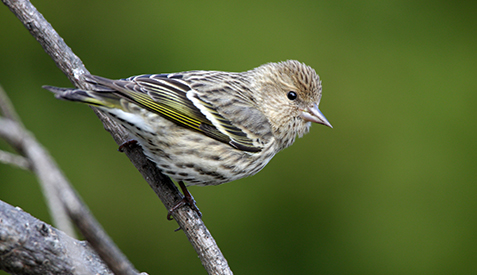
The only bird varies affected by the outbreak are wild songbirds, according to the CDC.
Salmonella bacteria can spread from birds to pets and to humans. Infected people may experience diarrhea, fever and stomach cramps for anywhere from six hours to six days after infection, according to the CDC. Children, adults 65 and older, and people with weakened immune systems sometimes suffer worse cases of salmonella, though most people recover in a week or less without treatment.
Because many people recover quickly and are not tested for salmonella, the CDC said it was likely that the true number of cases resulting from the outbreak was much higher than the number of reported cases.
About 1.35 million cases of salmonella are reported every year in the United States. Of those, about 26,500 require hospitalization and 420 result in death, according to the CDC.
For questions about Salmonella cases in Mississippi, contact the Mississippi State Department of Health at 1-866-458-4948.
What You Should Do:
• Always wash your hands right after touching a bird feeder, bird bath, or after handling a bird – even if you wore gloves.
• Clean and disinfect bird feeders and bird baths weekly or when they are visibly dirty. Feeders should be cleaned outside your house when possible. If you clean it indoors, use a laundry sink or bathtub, and thoroughly clean and disinfect the area right after.
• Keep pets away from bird feeders and bird baths and the areas under them.
• Do not touch or hand-feed wild birds with your bare hands.
• If you find a sick or dead bird, call the Mississippi Department of Wildlife, Fisheries and Parks at 601-432-2400.
• If you find a sick or dead bird in your yard, remove any bird feeders and baths for two weeks and clean them outdoors.