City renews lobbying contract with former Congressman
By Randy Bell
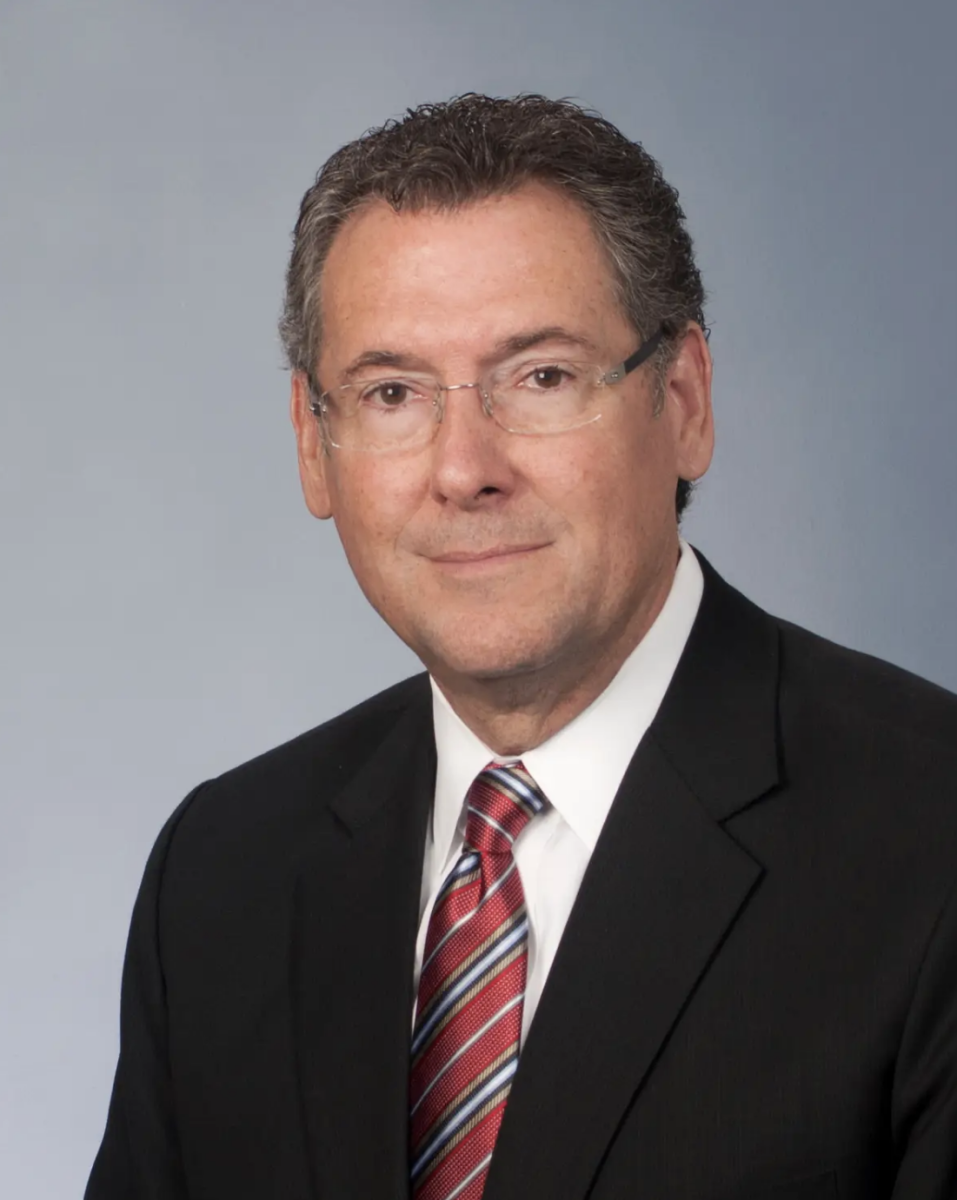
Gregg Harper
Mayor Will Purdie says hiring Gregg Harper and his associate to seek funding for a multi-million-dollar wastewater pipeline project “represents one of the best values the City has currently,” based on the success they’ve already had. The Board of Aldermen voted August 5 to renew the contract with Harper and Bailey Governmental Solutions to continue lobbying for Clinton in Washington and Jackson at a cost of $10,000 per month plus expenses.
Harper served ten years representing Mississippi’s Third Congressional District in the U.S. House before announcing his retirement in 2018. Brett Bailey serves as the company’s director of governmental relations.
Their work on Clinton’s behalf has been focused on the regional pipeline project, which could wind up costing around $130 million—or more. Harper and Bailey have secured funds from Congress and the Mississippi Legislature to help pay for transporting treated sewage from Clinton, Raymond and Bolton to the Big Black River, because smaller streams locally have insufficient water flow to handle future wastewater discharges.
The inability of Congress to reach a budget agreement last year scuttled almost $8 million in federal funds which were earmarked for the project. Senator Cindy Hyde-Smith announced in July that the Senate Appropriations Committee—of which she is a member—had voted to advance the FY26 Interior and Environment Appropriations Bill, which includes $7.8 million for the pipeline project.
Purdie has been pleased with what Harper and Bailey have been able to accomplish.
“They’ve done a tremendous job for us at both the federal and state level,” said Purdie.
The mayor points out that the Legislature this year didn’t fund any local projects, so more money should be available at the State Capitol next year.
“We’re hoping to see some movement on that front in this coming legislative session. Until the last piece of pipe is laid, we’ll be seeking any sort of funding sources we can at the federal and state level to try to minimize any potential impact on ratepayers.”