Distracted Driving Habits That Slip Past Careful Drivers
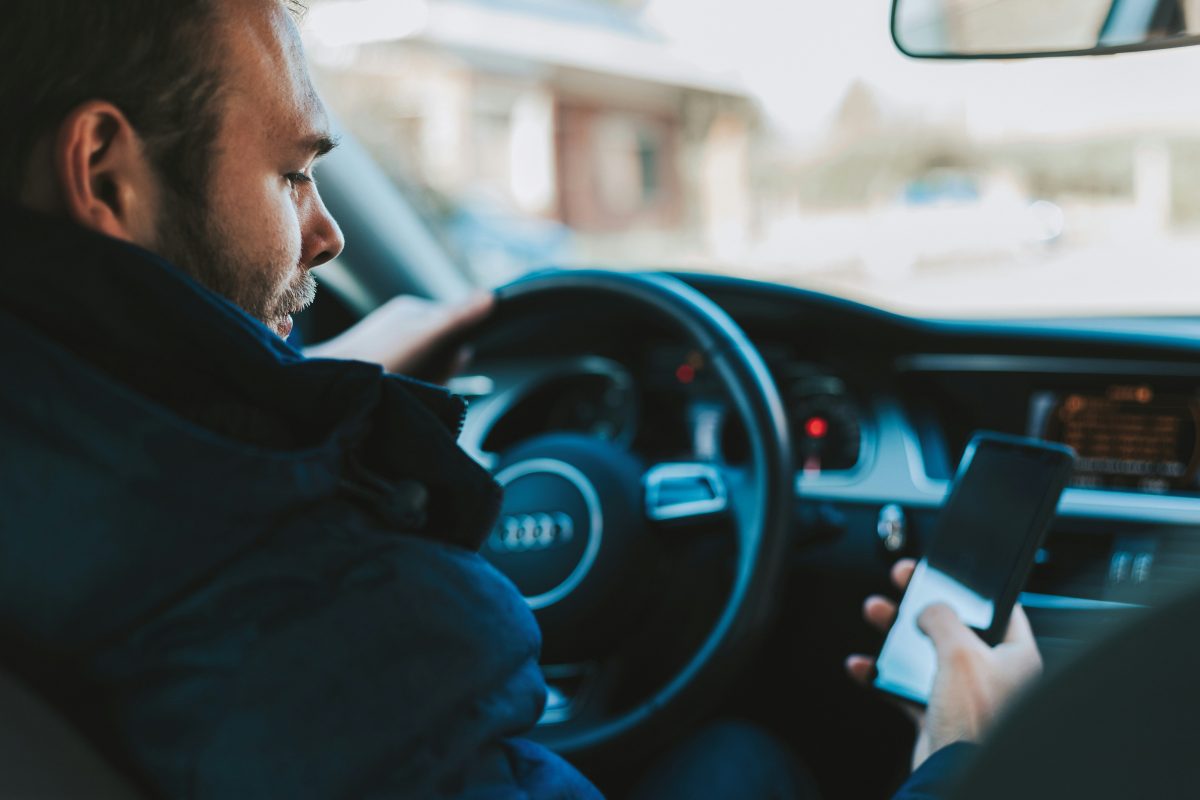
Photo by Alexandre Boucher on Unsplash
Do you consider yourself a careful driver?
Most people do. They wear seat belts, keep both hands on the wheel, and would never text while driving. But accidents continue to happen to these very people…
Here’s the uncomfortable part:
The worst habits to have are never the glaringly obvious ones. They’re dull, tedious, and completely harmless feeling when you’re doing them. That’s exactly why they get away with it.
The good news? Once a habit has a name, it can be broken.
Here’s what’s coming up:
- Why Careful Drivers Still Get Caught Out
- 6 Distracted Driving Habits That Fly Under The Radar
- Rebuilding Better Habits Behind The Wheel
Why Careful Drivers Still Get Caught Out
Distraction is not a character flaw. It’s a bandwidth problem.
Driving feels easy because your brain has automated it. Steering, braking, looking in your mirrors: it all hums along quietly after a couple years of doing it. And when something feels automatic, you start to feel safe doing another thing on top of it.
That’s where the trouble begins.
In just one recent year, NHTSA’s crash data indicated that 3,208 people were killed in crashes where distraction was a factor. Distraction is involved in about 8 percent of all fatal crashes and causes hundreds of thousands of injuries every year.
Here’s something most drivers don’t think about … Those numbers are almost certainly low. Few people are going to confess to looking at a screen seconds before a crash.
Proving distraction requires phone records, dashcam footage and crash reconstruction – none of which comes cheap. That’s exactly why so many injured victims search for a no win no fee lawyer. Personal injury lawyers like Max G. Arnold work on that sort of contingency basis with car accident claims, meaning you won’t pay legal fees unless the case is won.
But it’s always better to avoid crashing in the first place. Let’s examine the habits that fool even good drivers.
6 Distracted Driving Habits That Fly Under The Radar
None of these look reckless. That’s the whole problem.
1. The “Quick Glance” At The Infotainment Screen
Touchscreens replaced buttons, and something important got lost along the way.
You can find a physical dial with your fingers. You can’t find a touchscreen. Adjusting the cabin temperature or skipping a track now requires you to look down, scour the proper menu and tap a moving target with the road falling out of sight.
Drivers don’t realise that two seconds at highway speed is more time than you should spend looking at something. At 60mph, two seconds is over 50 metres of driving blind.
FYI: newest vehicles tend to have the worst offense of this. More technology = more menus = more staring at them.
2. Hands-Free Conversations
This is the habit that fools nearly everyone.
Hands-free makes him feel accountable. Eyes up ahead, hands gripping the wheel, phone down. But it’s the mind that’s driving, and the conversation distracts it.
The AAA Foundation for Traffic Safety conducted studies that revealed mental distraction can persist for up to 27 seconds following completion of a voice command. Not while on the call — after the call. Hands are on the wheel and eyes are looking forward, but the brain is still distracted.
Collision lag. That’s when stop signs are disobeyed. When someone steps off the curb and you blink. That half a beat too long.
3. Eating And Drinking On The Move
The morning coffee. The drive-thru breakfast. The snack grabbed at a fuel stop.
Distracted driving extends beyond smartphones and GPS systems. Eating behind the wheel takes one hand off the wheel and divides your attention, creating a much greater risk: the spill factor. Should your hot beverage spill into your lap you will have a sudden, completely involuntary reaction — and that reaction will happen while traveling at highway speeds. Your car will careen out of your control before you even realize what’s happening.
4. Driving On Autopilot
Ever arrived somewhere and realised there’s no memory of the last few miles?
It’s called highway hypnosis, and it typically occurs when you’re driving a route you know very well. The commute. The school run. The trip to the store. Your brain deems the travel task “already solved” and goes off focusing on work issues, weekend activities and fights from Wednesday.
The result:
- Reaction times slow down noticeably
- Changes in traffic get spotted late
- Hazards get processed but not acted on
You feel safest on roads you know well. Familiarity breeds complacency, which kills more drivers on well-traveled roads than unfamiliar roads ever will.
5. Passengers, Pets And Backseat Chaos
Children bickering. Dog pacing in backseat. Friend on phone showing something from passenger seat.
Distractions from humans are harder to tune out than technological distractions. It’s because there’s social pressure to pay attention. Tuning out your phone is simple. Tuning out your kid who’s asking you something for the fourth time is not.
Practical fixes make a real difference here:
- Secure pets in a crate or harness before setting off
- Sort out snacks, drinks and entertainment while parked
- Pull over safely if something in the back seat genuinely needs attention
6. Programming The GPS “Before” Setting Off
This one sounds responsible, and it usually is. Right up until the destination changes.
Recalculating route while underway, searching for parking or updating an arrival time based on traffic all occur at the worst possible time … while you are driving. And there’s that same residual distraction afterward as with any hands-free conversation.
Rebuilding Better Habits Behind The Wheel
Willpower doesn’t work by itself nearly enough. Habits trump intentions almost every time. You want to build a driving routine where distraction becomes difficult, not just off limits.
Begin with a pre-drive routine. Mirror adjustment, climate control, music, navigation, phone on Do Not Disturb – all preset before the car starts. Ninety seconds tops and it eliminates nearly all distraction while you start your drive.
Put physical space between yourself and your phone. Your phone in the glovebox can’t be reached at a red light. Can’t tempt you if you can’t see it.
Last but not least, view your car’s technology as you would your phone. Your brain cannot distinguish if your distraction is from a cell phone or your dash.
And passengers should feel empowered to speak up. One swift “I’ll get that” from the passenger seat stops more accidents than any campaign ever will.
Putting It All Into Practice
Careful drivers don’t get caught out by recklessness. They get caught out by routine.
A tap on a screen here, a hands-free call there, a cup of coffee balanced on the console. None of it feels risky, but each slices away at the attention that keeps a vehicle safely on the road. Distraction rarely bangs on the driver’s door, politely announcing itself. It just takes a second at a time until one of those seconds matters.
Choose one habit from the list above. The one that hurt your feelings when you read it. Correct that one first, the others will follow.
The safest drivers aren’t those who will never get distracted. They’re the ones who designed a system that doesn’t allow distraction to occur.