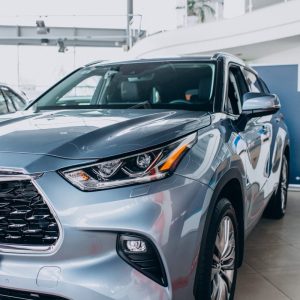
How to Choose a GMC for Texas Driving Conditions

Texas driving can involve busy city streets, long highways, intense heat, heavy rain, and occasional trips across rougher roads. Choosing the right GMC therefore means considering more than appearance or size. Engine performance, drivetrain, comfort, towing capability, ground clearance, and available technology can all affect how well a vehicle fits everyday Texas driving. For shoppers researching their options through car dealerships in Alvin Texas, understanding these factors can make the vehicle-selection process easier.
Consider How You Drive
The first step is to consider where and how often you drive. Someone who primarily commutes through city traffic may have different requirements from a driver who regularly travels between Texas cities or pulls a trailer.
A compact SUV such as the GMC Terrain can be practical for daily transportation. The 2026 Terrain uses a 1.5-liter turbocharged four-cylinder engine and offers available all-wheel drive. Its AT4 trim adds off-road-oriented features, while the Denali focuses more heavily on premium comfort.
For drivers who need more cargo capacity or towing strength, a GMC truck may be more appropriate.
Choose the Right Vehicle Size
GMC offers vehicles in several sizes, so matching the vehicle to your passenger and cargo requirements is important.
A smaller SUV can be easier to maneuver and park in crowded areas. A midsize truck such as the Canyon provides additional bed space while remaining smaller than a full-size pickup. The 2026 Canyon offers a 310-horsepower TurboMax engine and can tow up to 7,700 pounds when properly equipped.
The Sierra 1500 provides greater truck capability for drivers who regularly haul equipment, tow trailers, or need additional interior and bed space. GMC lists an available 6.2-liter V8 producing 420 horsepower in the Sierra 1500.
Think About Texas Heat
High temperatures can make climate control and interior comfort especially important during Texas summers. When comparing GMC models, consider features such as automatic climate control, heated and ventilated seats, remote start, and cabin materials.
Remote start can be particularly convenient because it allows drivers to begin cooling the cabin before getting inside, when available. Higher GMC trims can also provide additional comfort features for long drives.
For highway travelers, supportive seats, a clear instrument display, and easy-to-use infotainment can make extended journeys more comfortable.
Compare Engine Performance
Engine selection should reflect how the vehicle will be used. A smaller turbocharged engine can provide a useful combination of performance and everyday efficiency, while larger engines may be more appropriate for heavy towing and hauling.
The GMC Canyon’s TurboMax engine produces 310 horsepower and 430 pound-feet of torque, with a maximum towing capacity of 7,700 pounds when properly equipped.
For heavier-duty requirements, the Sierra lineup provides multiple engine choices, including available V8 power. Drivers should compare horsepower and torque alongside towing ratings, payload capacity, fuel economy, and the vehicle’s configuration.
Decide Between Two-Wheel and Four-Wheel Drive
Drivetrain is another important consideration. Two-wheel drive can be sufficient for many everyday paved-road applications, while four-wheel drive or all-wheel drive can provide additional traction for certain conditions.
The Canyon, for example, offers available 4WD on the Elevation and standard 4WD on AT4, AT4X, and Denali trims. The AT4 also includes an automatic locking rear differential and a two-speed transfer case.
Drivers should consider how frequently they encounter unpaved roads, slippery surfaces, steep grades, or recreational trails before paying for capability they may rarely use.
Consider Towing Requirements
If you plan to tow a boat, trailer, camper, or recreational equipment, determine the weight before choosing a GMC. Towing capacity varies substantially between models, engines, drivetrains, and equipment packages.
The Canyon can tow up to 7,700 pounds when properly equipped, making it suitable for many moderate towing needs. Larger GMC trucks can provide additional capacity for heavier trailers.
It is also important to consider trailer-braking equipment, hitch configuration, payload, cooling systems, and available trailering technology rather than relying solely on a maximum towing number.
Look at Off-Road Features
Texas driving is not limited to pavement. If your plans include ranch roads, camping areas, hunting locations, or recreational trails, compare off-road equipment carefully.
GMC’s AT4 models are designed with additional off-road capability. The Canyon AT4 includes a factory-installed two-inch lift, all-terrain tires, hill descent control, 4WD, and selectable driving modes. The AT4X adds features such as electronic locking differentials, specialized suspension equipment, and additional underbody protection.
These features can be useful when your regular driving includes rougher terrain.
Evaluate Technology and Safety Features
Modern GMC vehicles offer technology designed to assist with navigation, parking, connectivity, and driver awareness. The 2026 Terrain, for example, offers more than 16 standard safety and driver-assistance features, while available camera systems can provide additional visibility around the vehicle.
On larger GMC models, available technologies can include advanced trailering systems, multiple camera views, and driver-assistance features. The right technology package depends on whether your priority is city maneuvering, highway travel, towing, or outdoor recreation.
Match the Trim to Your Priorities
Once you have chosen a GMC model, compare trims carefully. Different trims can change the vehicle’s suspension, tires, drivetrain, interior materials, technology, and available capability equipment.
For example, the Canyon ranges from the practical Elevation to the off-road-focused AT4 and AT4X, while Denali emphasizes premium features.
Choosing a trim based on actual needs can help avoid paying for features that do not contribute much to your typical driving.
Conclusion
Choosing a GMC for Texas driving conditions starts with understanding your daily routes and priorities. City commuters may value maneuverability, comfort, and technology, while highway travelers may place greater emphasis on engine performance and cabin comfort. Drivers who tow or explore rough terrain should focus more closely on drivetrain, ground clearance, suspension, towing capacity, and off-road equipment. By comparing GMC models, engines, trims, and available features according to real-world driving needs, Texas drivers can find a vehicle that fits both everyday transportation and weekend adventures.
Read more: How to Check Vehicle History Before Buying Used Cars in Texas
Read more: Why Hiring a Texas DWI Lawyer Can Make or Break Your Case
Read more: How Fault Impacts Your Texas Car Accident Case