Businesses are pairing roof upgrades with solar installations to cut long-term costs
Commercial property owners are aligning roof condition assessments with electricity usage reviews to avoid costly panel removal and maximize solar returns. By treating building maintenance and clean power generation as a single capital project, facility leaders protect structural warranties and lock in predictable utility expenses.
You want to stabilize your facility’s operating budget, and rooftop solar looks like a smart way to control rising utility bills. Many business owners and nonprofit leaders jump straight into panel quotes, only to hit expensive roadblocks once contractors inspect the building. Treating your roof as an afterthought can quickly turn a promising energy upgrade into a budget headache.
Combining roof maintenance with solar planning solves this problem before construction starts. When you evaluate structural health alongside your building’s power habits, you protect your property and get accurate financial projections from day one.
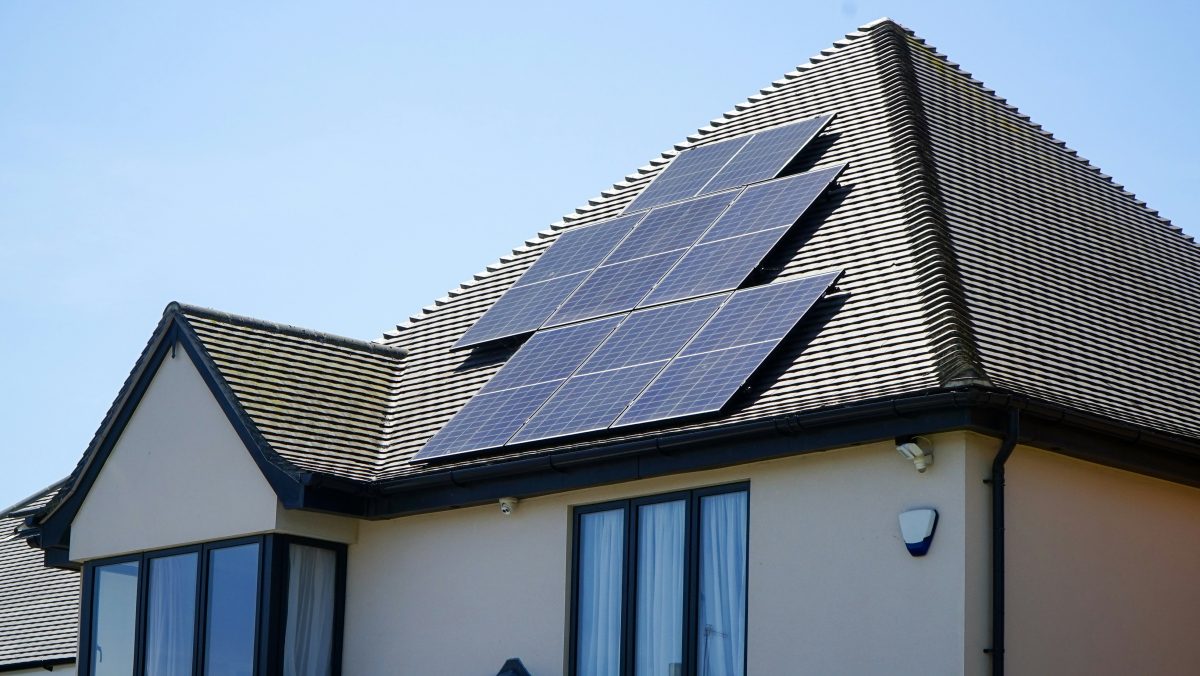
Photo by Watt A Lot on Unsplash
Why Should You Evaluate Roof Condition Before Solar Design?
Your solar panels will likely last 25 to 30 years, so your roof needs to match that timeline. Placing a brand-new array over aging shingles or a worn membrane sets your organization up for major disruption down the road. Findings from the U.S. Department of Energy indicate that installing solar equipment on a roof nearing the end of its service life can double your overall labor expenses when the roof inevitably needs replacement.
Before an engineer draws a single panel layout, have a commercial roofer inspect your building’s upper structure. You need clear answers on remaining material lifespan, insulation quality, and existing manufacturer warranties. Upgrading or recoating the roof right before solar installation lets you amortize both improvements together and avoids paying crews to detach and reinstall hundreds of panels later.
Checking Structural Load and Drainage
Adding racking, ballast, and modules puts extra dead weight and wind uplift stress on your building. A structural engineer must verify that your joists and decking can safely handle those forces under local snow and wind codes.
Proper water flow matters just as much as weight capacity. Standing water accelerates membrane rot beneath solar arrays where sunlight cannot reach to dry out puddles. Clearing clogged drains, correcting low spots, and sealing penetrations before mounting hardware goes down will keep your interior dry for decades.
How Do You Match System Size to Building Power Habits?
Once you know your roof is ready, your next step is matching the system design to how your facility actually consumes electricity. Reviewing utility bills from the past 12 months reveals seasonal spikes, peak demand charges, and baseline overnight loads. Exploring solar options for commercial buildings alongside your roof assessment helps you right-size the array to your real operational profile rather than relying on rough square-footage estimates. That alignment keeps you from overbuilding a system that generates excess power your utility barely compensates you for.
Operating schedules play a huge role in how much value you get from every kilowatt-hour generated. A warehouse running heavy refrigeration or assembly lines during sunny midday hours uses solar electricity directly on site, offsetting retail utility rates immediately. Offices or community centers with lighter daytime loads might pair panels with battery storage to shave expensive evening demand peaks.
- Audit multi-tenant metering: Master-metered buildings let you apply solar credits directly to common area loads or distribute savings through lease agreements, while individually metered tenant spaces require virtual net metering or separate sub-arrays.
- Factor in future electrification: Upgrading to heat pumps, adding commercial kitchen gear, or installing fleet EV chargers will raise your baseline demand over the next 5 years.
- Verify roof shading obstacles: HVAC units, skylights, and parapet walls cast moving shadows across the roof deck that can drag down string performance if layout software ignores them.
What Does Utility Interconnection Require From Your Team?
Installing hardware on your roof is only half the project, because your utility company controls when you can actually turn the system on. Securing engineering stamps, local building permits, and utility interconnection approvals often takes longer than the physical installation itself. Submitting accurate single-line electrical diagrams early prevents frustrating delays while your new panels sit idle on the roof.
Utility interconnection rules also dictate how large your system can be relative to local transformer capacity. If your neighborhood grid circuit is near its limit, the utility might require transformer upgrades before granting permission to operate. Factoring those potential grid fees and review timelines into your master project schedule keeps your capital budget realistic.
Are Your Financial Projections Built on Realistic Utility Rates?
Attractive solar proposals sometimes rely on aggressive assumptions about future electricity inflation or optimistic equipment output. Ask your vendor to model conservative utility rate increases alongside realistic panel degradation rates and scheduled inverter replacements.
Research from the Institute for Energy Economics and Financial Analysis shows that utility-scale solar generation costs between 5.6 and 8.4 cents per kilowatt-hour, outperforming traditional coal and natural gas generation on price. Locking in stable local power production shields your operating budget from volatile fossil fuel surcharges, provided your financial model accounts for routine maintenance and insurance adjustments.
Bringing Roofing and Solar Into One Unified Plan
Coordinating your roofing contractor, structural engineer, and solar installer under a single project timeline eliminates finger-pointing and protects your building warranties. When every trade works from the same blueprint, roof penetrations stay watertight and electrical conduits follow clean, accessible paths. Taking the time to align structural readiness with honest energy modeling gives your organization a reliable asset that lowers overhead for decades.
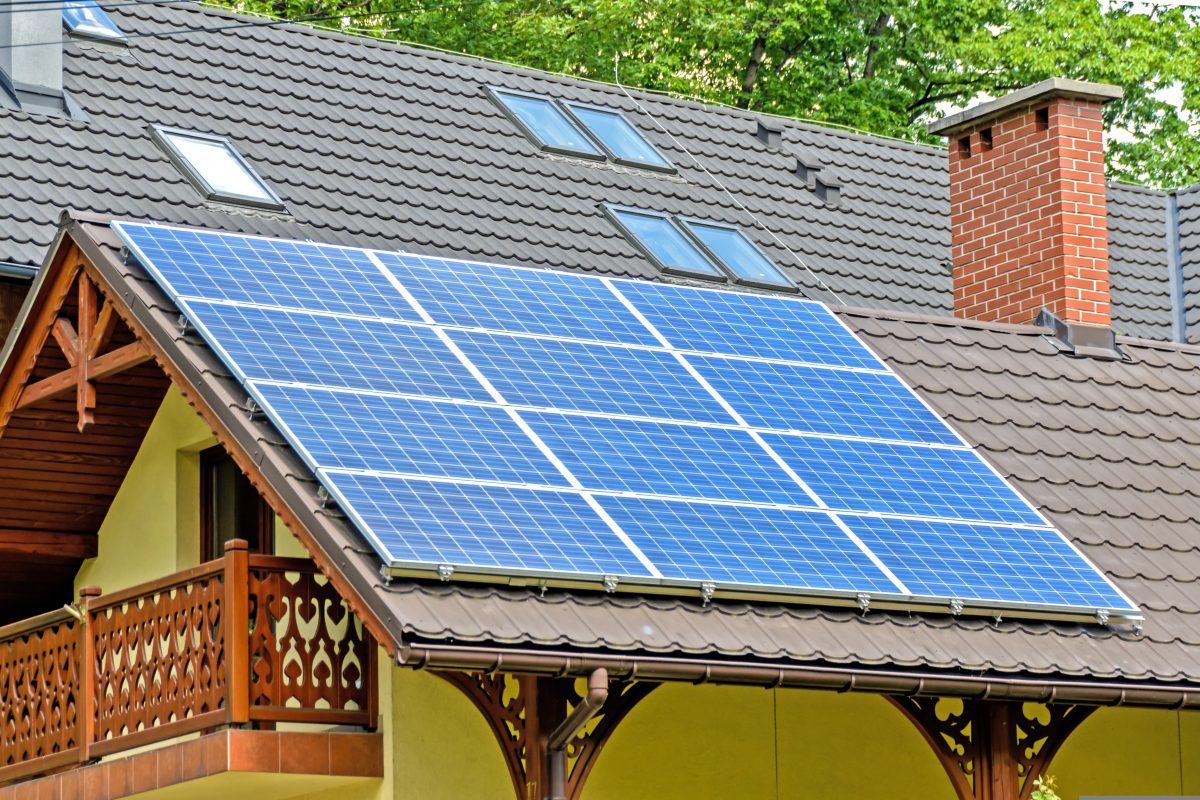
Image by AS Photography from Pixabay
Combining roof upgrades with commercial solar installation helps your business avoid unnecessary expenses while improving energy efficiency and structural reliability. Careful planning ensures your building can support renewable energy investments without compromising existing roofing systems.
By coordinating contractors, evaluating electricity demand, and preparing for future maintenance, you create a more predictable operating budget. This integrated approach protects your property, maximizes solar performance, and supports sustainable financial growth for years to come.