Flight From Dubai To JFK Was Quarantined As Reports Of Illness Spread
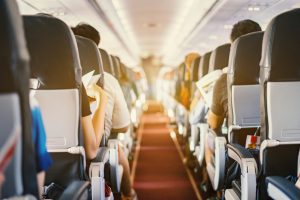 An Emirates flight from Dubai was held at the John F. Kennedy International Airport after 19 people on board reported feeling ill. Including both passengers and crew members, 10 people were taken to Jamaica Hospital in Queens after they were allowed off the plane and nine others showed symptoms but refused treatment.
When the aircraft, the Emirates Airbus A380, arrived it was held away in makeshift quarantine from its original landing location, Terminal 4 of the JFK airport. The plane landed on the morning of Sept. 5 after 13 hours in the air. When it came to ground, the plane was met by the Centers for Disease Control and Port Authority police. There were approximately 520 people on board the double-decker plane, including rapper Vanilla Ice. Although he tweeted about the plane being held, Vanilla Ice was not one of the sick passengers.
According to a tweet on Sept. 6 from Eric Phillips, a spokesman for New York Mayor Bill de Blasio, the 10 sick people who were hospitalized tested positive for influenza. The patients are being kept in the hospital as they are tested for other viruses. At the time of the plane’s quarantine officials had considered the possibility of food poisoning and the more serious potential of a terror issue. The latter was swiftly ruled out by government officials.
While boarding the plane in Dubai, passengers had noticed others who were visibly ill. Some of them suggested that the illness came from a particularly aggressive strain of the flu virus that had been ravaging Mecca, where some passengers had recently spent time. Typically, over three million people across the globe fly safely on commercial aircraft daily, but all it takes is one person to spread a virus to hundreds of others.
Packed in a small space for hours at a time, airplane passengers are stuck with sharing the same air with strangers. While airplane ventilation systems are designed to redirect airflow and limit exposure to influenza and other airborne germs, passengers moving up and down aisles disrupt the air flow pattern. If someone happens to sneeze or cough as another passenger walks by, those germs are carried in the walker’s wake for seven or eight rows.
Similar ventilation systems are a part of most forms of mass transportation. A researcher at Harvard University, Shengwei Zhu, found that carbon dioxide levels increased quickly on Harvard University shuttle buses after the doors were closed. To Zhu, this indicated that the buses’ ventilation systems couldn’t efficiently mix old air with the new, increasing the risk of virus transmission. As 751 million passenger trips take place on similarly-designed motorcoaches annually, these inefficient ventilation systems leave many passengers vulnerable to influenza and a variety of other illnesses.