The Different Types of Carpet Padding
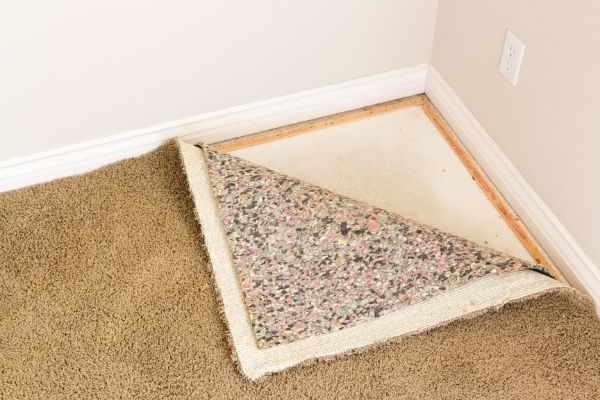
The floor is usually one of the last things that get finished in a home renovation project. After selecting carpet colors and patterns, you still need to choose the right padding. Here’s a look at the different types of carpet padding.
Why You Need Carpet Padding
Carpet padding prolongs the life of your carpets, as it protects the fibers from excess crushing by providing support underneath. Furthermore, it helps the backing last longer, so the carpet can resist wear. Padding also makes walking on carpeting more comfortable.
Most padding provides a bit of soundproofing and acts a little like insulation. It keeps heat from escaping in the winter and keeps air-conditioned air inside during the summer.
How To Choose Carpet Padding
Check the warranty on your selected carpet (if it has one). The manufacturer may specify the type of pad required. Using something else may void the warranty.
Carpet padding is rated by its thickness and density—the density is the weight per square foot. Most carpet pads are 7/16 of an inch thick and range from 2 to 10 pounds per square foot. It’s a misconception that thicker padding is better. However, if the pad is too thick for your chosen carpet, it can cause wear and damage. Thinner carpets, such as Berber carpets, won’t last if the pad is too thick.
Beyond choosing the right carpet and padding, the care and maintenance of your carpet is also paramount. This is where a carpet extractor comes into play. A carpet extractor is an effective tool used for deep cleaning. It sprays a solution of water and detergent into the carpet, then uses a powerful vacuum to extract the dirty water, leaving your carpet clean and almost dry.
Consider how heavy the traffic is in the room you’re carpeting. The US Department of Housing and Urban Development has specified standards for carpet pads, depending on the amount of traffic the area gets. Class 1 areas get light to moderate traffic, while Class 2 rooms get heavy traffic. Most rooms fall into the Class 1 category. These rooms need pads at least 3/8 of an inch thick, with a minimum weight of 5 pounds per square foot. Class 2 areas need a 6.5-pound density. The heavier the weight, the longer the pad is likely to last.
Types of Padding
Most carpet pads are made of polyurethane foam. This comes as rebond padding, made from recycled foam or frothed foam, which is more expensive but exceptionally durable. Additionally, memory foam carpet padding is available as well as “prime” foam, which is the same kind of foam you might find in couch cushions. There is also waffle padding, which is made of rubber in a waffled pattern. It’s soft but not particularly durable. Finally, rubber padding is expensive but every bit as durable as frothed foam. Some carpeting that requires thin padding can use natural fiber pads, such as jute or synthetic fiber pads that are flat and dense.
Most homeowners opt for professional carpet installation, but do-it-yourselfers can install the different types of carpet padding with the right tools. Start by installing the tacking strips around the perimeter of the room. Then, use a hammer stapler to attach the padding to the plywood subfloor. Although hammer staplers are manual tools, it’s possible to injure yourself if you’re not careful. Take the usual safety precautions when using a hammer tacker.