
Little-known authentic juke joint calls Clinton home
By Nash Nunnery
Unknown to many Clintonians, a slice of cultural Americana rests rather inconspicuously on the edge of the city’s western boundaries. The battleship gray exterior against the camouflaged backdrop of an oak tree canopy makes the sturdy cinderblock-and-brick building barely noticeable to passers-by. Located on the frontage road near Norrell Road and south of the four-lane ribbon of concrete known as Interstate 20, the building itself is hardly a beacon in a foggy harbor. The no-frills white sign with red letters signifying “Dick’s Place” atop the entrance is the only indicator that one of Mississippi’s oldest juke joints occupies the property. It is reportedly one of the oldest Black-owned enterprises in Mississippi.
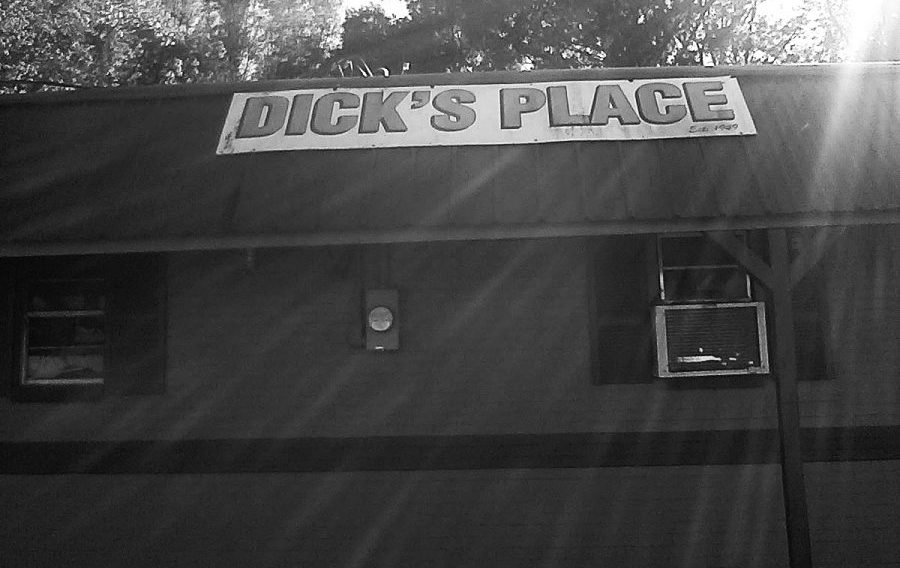
Dick’s Place
Juke joints derived their name from the Gullah word “joog” or “jook” (which means “disorderly”) and quickly became a fixture on the landscape of the rural South after emancipation.
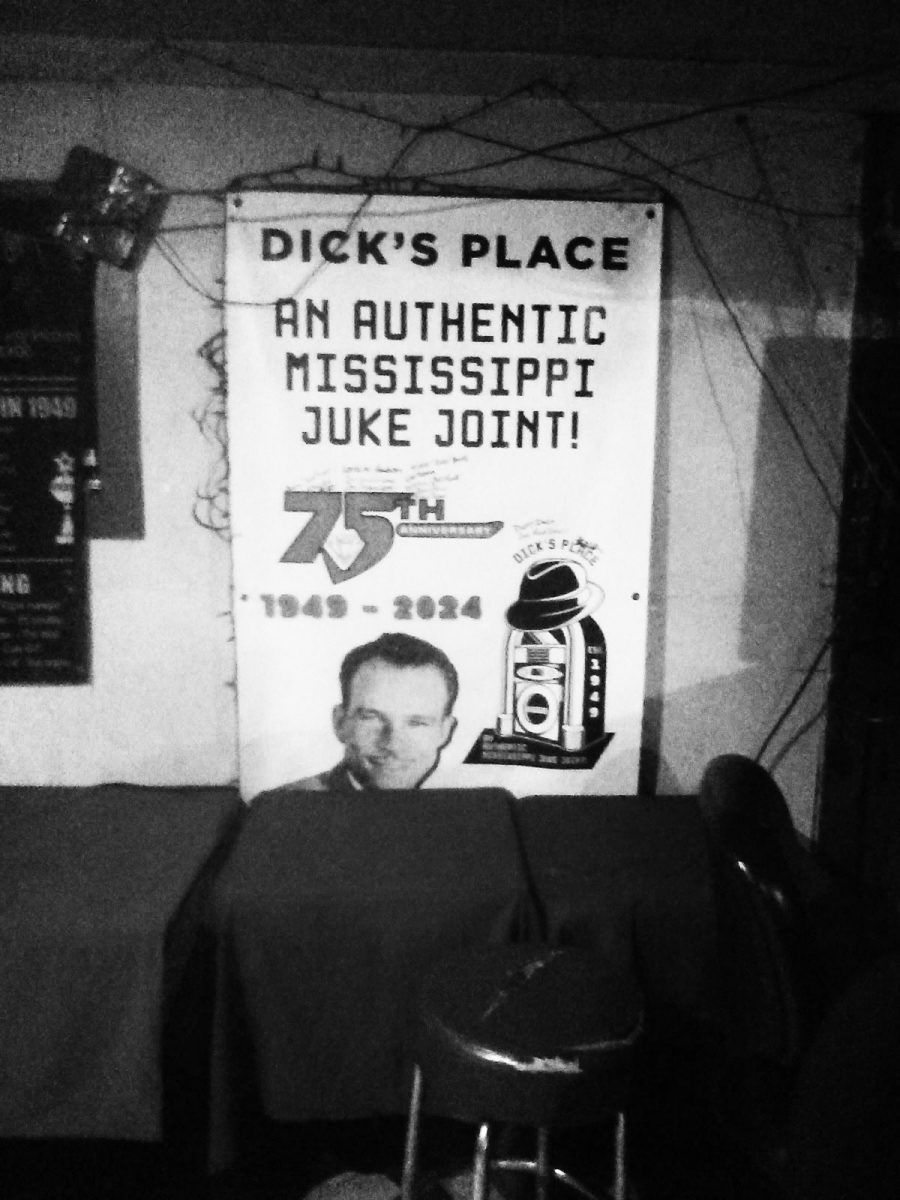
While the majority of Southern juke joints have folded under the weight of financial pressures and changing tastes, Dick’s Place has a following that seems to have remained steady over the decades. Seventy-five years steady, to be exact. On November 17, Dick’s Place celebrated its 75th anniversary with a party attended by politicians, entertainers (including legendary blues musician Bobby Rush) and a host of loyal Dick’s regulars from years gone by.
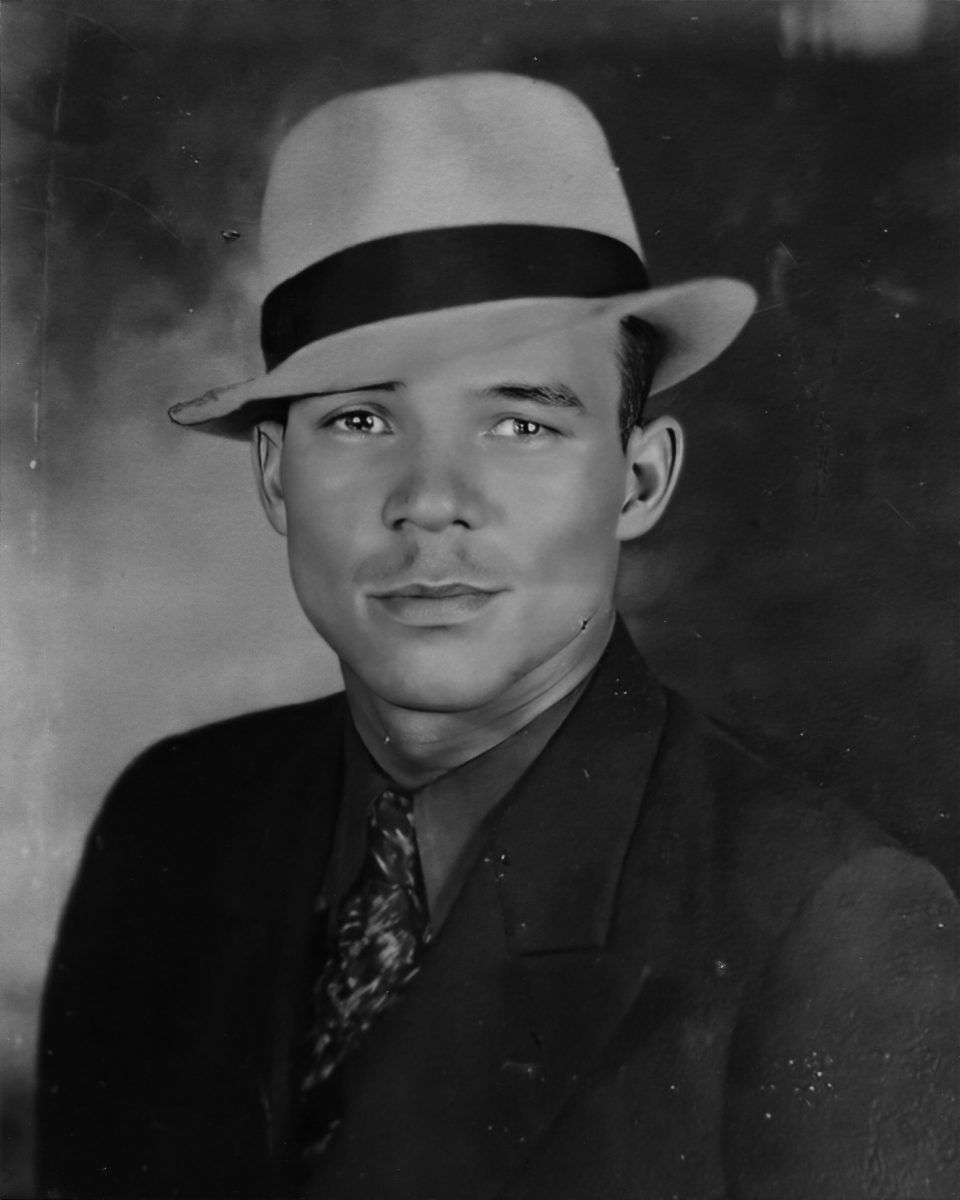
Richard “Dick” Anderson, Sr.
The year 1949 witnessed the United States recognizing the state of Israel, the New York Yankees beating the Brooklyn Dodgers in the World Series and Vaughn Monroe’s rendition of “Riders in the Sky” reaching number one on Billboard magazine’s most popular songs chart. It also was the year brick mason and budding entrepreneur Richard “Dick” Anderson, Sr. bought a small parcel of land on Highway 80 near Norrell Road for $140 and built a small country store with his own two hands. He called it “Dick’s Place.”
However, Anderson’s dream enterprise was gone in two years, as the original store stocked with everything from cold beer to hoop cheese fell to the wrecking ball with the construction of the new interstate highway system, notably I-20. According to Dick’s son Richard Anderson, Jr., his father was undeterred, despite the setback. In 1952, like a Phoenix arising from the ashes, the current iteration of Dick’s Place was constructed a few yards east of the former location. and has been open for business continuously since. “Dick’s Place soon began to evolve from a country store to a combination juke joint/night club that attracted a clientele from Clinton, Bolton, Edwards, Jackson and Terry,” said Richard, a former teacher with the Hinds County Public School District. “My father said the people always need a place to gather and socialize. There were no cell phones or computers in those days. “A juke joint just made sense.”
Soon after opening, Dick decided to introduce a BBQ carry-out business, selling smoked chicken plates and slabs of ribs for 75 cents and $1.25, respectively. A skilled grill master, the elder Anderson prepared his BBQ delicacies every Thursday outside in front of the bar. “He made his own BBQ sauce from scratch and featured the old-fashioned type of thick coleslaw on the menu,” said Richard. “Folks absolutely loved it and would come from miles around to enjoy his cooking.”
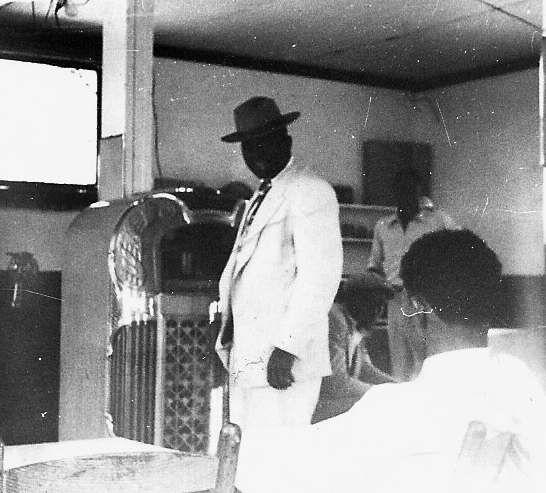
The original Dick’s Place
Like many other bars and restaurants in the 1950s and ‘60s, Dick’s Place also sold bootleg whiskey and moonshine. Until 1966, the state of Mississippi still observed prohibition. “It was against the law, but all the honky-tonks and bars in the state did it,” Richard said. “You could hardly make any money in the business if you didn’t.”
Over the years, Dick Anderson’s entrepreneurial spirit soared to even greater heights. He dreamed of adding a two-story hotel directly behind Dick’s Place and began construction. However, the county health department put the kibosh on the project. “In the 1970s, he built a washeteria on the property, which lasted for three to four years,” said Richard. “In 1981, I made a deal with my father and turned it into Richie’s One-Stop, a convenience store that still operates today. We sold the best fried chicken, but no BBQ by that time.”
 Upon his father’s passing in 1984, Richard completed the hotel section and turned the space into apartments. The property even boasted a barbershop on the northeast corner of the bar but closed about ten years ago, according to Richard. “Dred locks became a big thing, and the need for an old-fashioned barbershop just wasn’t there,” he added.
Among the challenges Dick Anderson faced as an African-American business owner was racism. Mississippi was ground zero for the Civil Rights Movement, and Dick’s Place, along with many other black-owned businesses, was in the crosshairs of those opposed to integration and equal rights. “Law enforcement made frequent trips to Dick’s Place during that time,” said Richard. “They’d always find the [bootleg] whiskey and take [Dick] to jail. Pretty soon, he figured out how the game was played… he had to pay ‘under the table’ to the powers-that-be to keep the business open.” “It was like paying off the Mafia.”
Unlike many jukes or nightclubs, violence is not tolerated at Dick’s Place. “We’ve had maybe one fight in the last ten years, and it was in the parking lot,” he said. “No shootings in seventy-five years.” Richard also recalled an incident in the early 1970s involving a local highway patrolman parking his vehicle along Highway 80 and hurling a smoke bomb into Dick’s Place, scattering coughing patrons into the cold night. “It was a struggle to stay in business, but my father wouldn’t give up,” said Richard. “He’d always say ‘People have been socializing since the beginning of time, and they’re not going to stop now’. The challenges were real.”
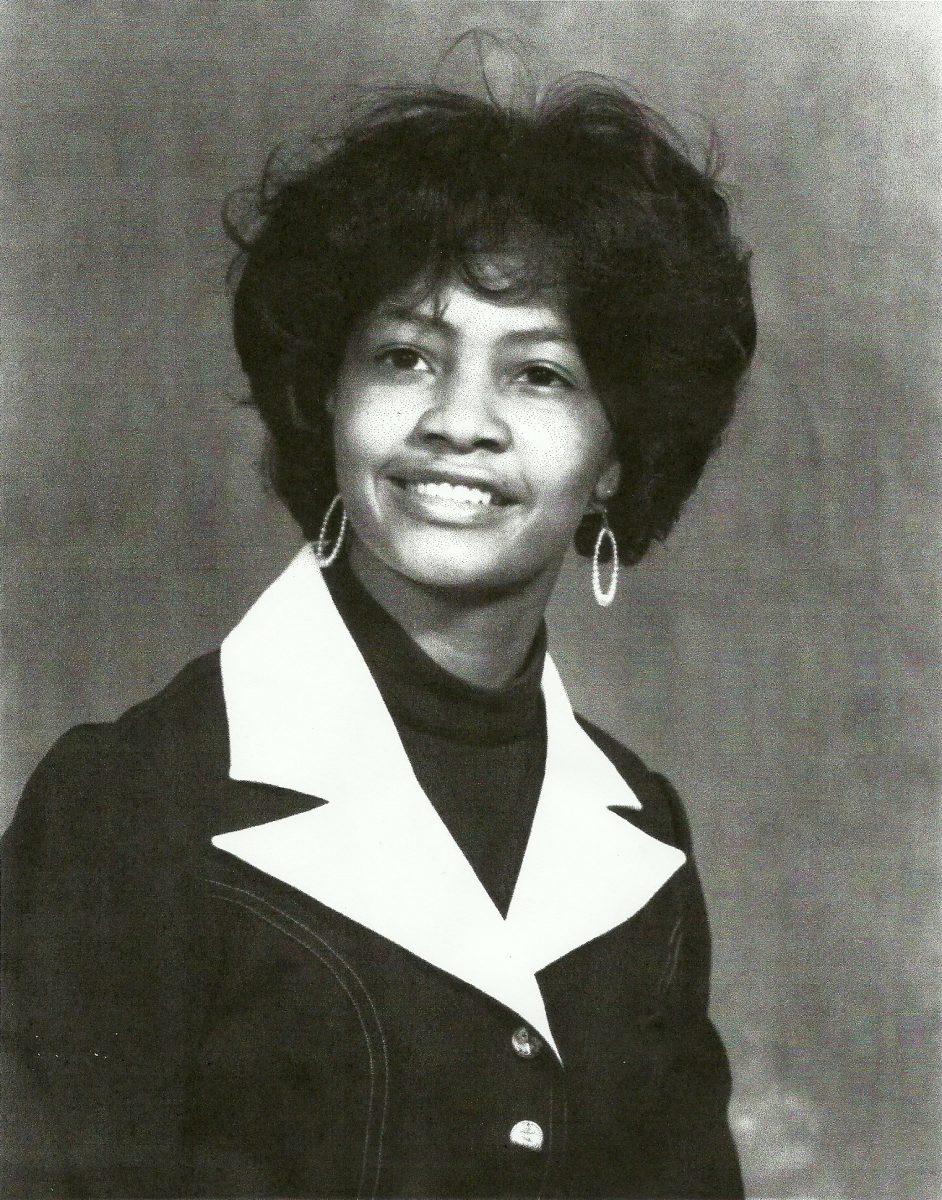
‟Miss Lorraine” Henderson
Entering Dick’s Place is like taking a giant leap back in time. Neon beer advertisements, an old juke box containing a treasure trove of blues, R&B and country oldies, and leftover
decorations from a past New Year’s Eve celebration engulf the senses. A couple of patrons nursing beers at the bar greet a visitor with a smile. When asked about the juke box, one of the men doesn’t hesitate: “We listen to everything in here, from Hank Williams to Muddy Waters.” Disc jockeys are strictly forbidden at Dick’s Place. Music is either live or straight from the jukebox. No exceptions.
Now eighty-six-years young, Richard Anderson has turned over operations of Dick’s Place to his daughter Valerie. “Miss Lorraine” Henderson has tended bar and kept the doors open for nearly twenty-nine years. He’s asked if Dick’s Place, the “authentic Mississippi juke joint,” can make it another twenty-five years to the century mark? Richard Anderson contemplates the question carefully before answering. “You never know how the cookie’s gonna crumble,” he said, with a wry grin.



Back in the early 70’s one Saturday, some friends and I were just goofing around on the phone and called them up and ordered some chicken. We originally weren’t gonna go get it, as I said, we were just playing on the phone. Well, a little while later we were getting hungry so we said let’s go get the chicken. You can just imagine the looks we got when we walked in. Three young white boys there to pick up an order. But man let me tell you, that chicken was fine. Think about that day every time I pass it on the highway.