How To Educate Seniors On Emergency Panic Buttons
Think of a loved elderly who has fallen or is experiencing a medical emergency while being alone at home. The next few moments are so crucial, as sometimes immediate access to help is that thin line between a minor incident and a life-or-death situation.
According to the estimates from Health Canada, many older adults fall each year, but less than half report it to their doctor, a single fall doubles the chance of falling again. Considering these risks, it is essential to provide seniors with a quick and reliable way to call for help.
An emergency panic button is one of the most effective and simplest means through which assistance can always be provided to seniors at any time.
This guide covers how to teach seniors about an emergency panic button so that they may understand its benefits and feel secure in using it.

Understanding Emergency Panic Buttons
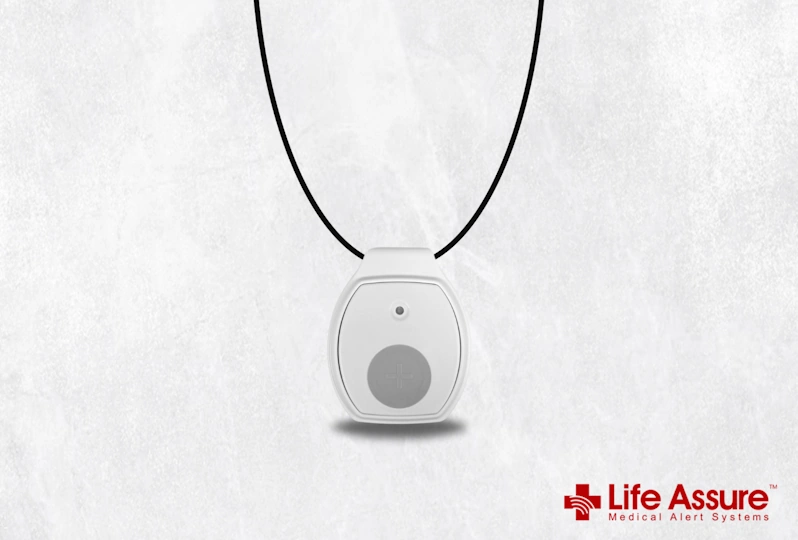
A panic alarm for the elderly is a device that you can use instantly to connect to assistants. The design comes in three forms: wearables like a pendant, wristbands, or stationeries located throughout the home. When a panic button for seniors in case of emergency is activated, it calls emergency response personnel, caregivers, or family members when needed, according to how the device has been established.
These devices give both seniors and their caregivers an invaluable look into the life-saving benefits that they entail.
Some of those benefits include:
- Immediate access to assistance during fall emergencies, medical crises, or home security threats.
- Increased independence for the senior, who can now continue to live alone, knowing help is only a button away.
- Peace of mind for the family, knowing their loved one has a quick way to summon help.
- Fall detection technology that will automatically send out alerts in the event of one being detected.
- GPS tracking for mobile panic buttons helps locate seniors in case they become lost or disoriented.
- Two-way communication features enable them to talk directly to emergency services.
Determining the Need for a Panic Button
While this is beneficial for all seniors, some people do need panic buttons more than others. In many cases, one may have to assess whether or not a senior will highly benefit from having one.

Who Requires a Panic Button?
Older adults with chronic diseases that require emergency attention. Furthermore, consideration should be made to ensure the elderly understand how the device functions and are able to use it. Consider the model that fits any sensory impairments, including poor eyesight or hearing.
Choosing the Right Panic Button System
With several options in the market for panic buttons, choosing the best may seem like an uphill task. However, paying attention to the key factors may help narrow down the best choice.
Key Features to Consider
- Ease of Use: The device should not be complicated; it should have large buttons and clear instructions.
- Coverage Area: See whether the device works within the home or can also work outdoors.
- Monitoring Services: Some devices connect to professional monitoring centers, while others notify family members directly.
- Response Time: Look for a system with fast emergency response times.
- Battery Life: Some require regular charging, while others have long-lasting batteries.
- Cost and Subscription Fees: Understand upfront and ongoing monthly costs before purchasing.

How to Choose the Best Option?
- Research different models and their features.
- Read reviews from users, both seniors and caregivers.
- Consult with healthcare professionals for individualized advice and guidance.
Educating Seniors on Usage
Once the appropriate panic button is chosen, it is important that the senior understands how to operate it. A device given to them without prior teaching may confuse them or result in fumbling during an emergency.
1. Hands-On Demonstration
The best way to educate a senior is through a hands-on demonstration. Show them exactly how to:
- Wear or carry the device correctly.
- Activate the panic button in different situations.
- Communicate with the response team if it is a two-way communication.
2. Drills
Practice mock emergency situations, which allow the senior to be comfortable pressing that button. And the more one practices, the better the reinforcement of confidence not to hesitate if it were to happen in an actual crisis scenario.
3. Written and Visual Instructions
Besides demonstrations, provide instructional guides that include :
- Large text with simple instructions.
- Step-by-step images showing how to use the device.
- A quick reference card that can be placed near their bedside or refrigerator.
Panic Button to Be Part of Broader Safety Plan
A panic button should form part of an overall emergency preparedness plan. All family members, caregivers, and seniors should be well-versed in the mechanics of the system.
Key Steps for an Effective Safety Plan
- Plan for emergencies like medical emergencies or home invasions.
- Identify who will respond when the button is pressed: a monitoring center, family member, or local emergency services.
- Discuss the emergency plan with all parties involved, including caregivers and close friends.
- Schedule routine reviews to ensure everything is current and functional.

Conclusion
Educating seniors on emergency panic buttons is an essential factor in safety and well-being. Explaining the benefits to them, assessing their needs, choosing the correct device, and training them extensively will make the seniors confident in using these life-saving tools.
Besides, embedding the panic button in a wide safety plan ensures seniors are covered, whatever the situation may be.
Ultimately, training and promoting among seniors such gadgets can mean far more than simple peace of mind for them and their families- when help can be reached by a finger-touch.