
Interior Remodeling Mistakes Commercial Property Owners Often Overlook
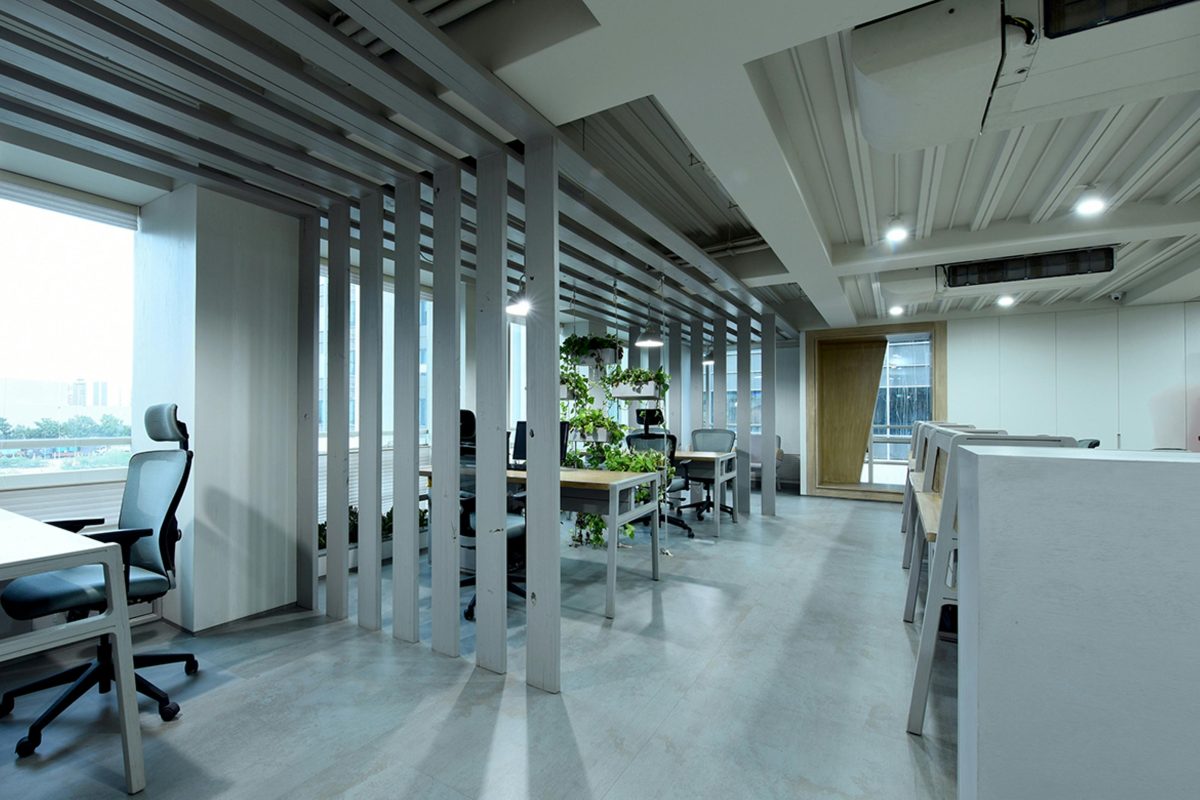
Interior remodeling presents a valuable opportunity to modernize commercial spaces and improve performance. However, small oversights during commercial renovations can quickly lead to operational disruptions and costly rework. Many property owners and tenants focus heavily on finishes and visual appeal while overlooking space efficiency, daily functionality, and long-term business needs.
From budget blind spots to design decisions that fail under real-world use, these commonly overlooked mistakes can undermine productivity, safety, and asset value. Understanding what to avoid before construction begins helps ensure a remodel delivers durability, efficiency, and measurable business benefits.
In this article, we’ll highlight critical yet frequently ignored missteps, including space planning, furniture coordination, lighting strategy, airflow, and final project closeout.
Skipping Proper Space Planning Before Remodeling
Space planning plays a decisive role in how well commercial interiors support daily operations. As more companies bring employees back onsite, layouts must handle consistent, full-capacity use.
A Business Insider report notes that by the second quarter of 2025, most Fortune 100 employees were under full-time office mandates. During the same period, required in-office days increased from 2.6 to 3.9 per week. These shifts place added pressure on space efficiency.
Without detailed planning, renovated areas can feel disconnected from real workflows. Poor layouts restrict circulation, create bottlenecks, and waste square footage.
Misplaced lighting, outlets, and data ports further reduce functionality. Evaluating movement patterns and occupancy needs early helps avoid costly redesigns and operational disruptions later.
Ignoring Furniture Placement and Installation Needs
Designing commercial interiors without considering furniture installation requirements is a frequent and costly mistake. Workstations, conference tables, storage systems, and collaborative furniture must align with floor plans, power access, and clearance requirements. When furniture planning is delayed, installations can block walkways, limit accessibility, or interfere with doors and mechanical systems.
Improper installation can damage new flooring, walls, and fixtures. Heavy or modular systems may exceed load limits or require special anchoring. Early coordination helps protect finishes and avoid delays.
As FourSpoke notes, furniture installation is one of the most complex phases of a workplace project, requiring coordination across manufacturers and trades. Experienced installation teams ensure components are assembled correctly and spaces are operational on day one.
Choosing Style Over Functionality
Focusing on appearance alone is a common mistake in commercial interior remodeling. Sleek finishes and modern layouts may look impressive, but fail under daily use. According to Health Discovery, poor ergonomics in office settings can contribute to back pain, eye strain, and repetitive stress injuries. Simple considerations like proper chair support, desk height, and monitor placement directly affect comfort and productivity.
Functionality is even more critical in physically demanding environments. Warehouses benefit from lift-assisting equipment and anti-fatigue mats to reduce musculoskeletal strain. Healthcare settings rely on patient lifting devices, adjustable exam tables, and supportive footwear. When employees are comfortable and pain-free, focus improves.
Commercial places that prioritize functionality often see lower absenteeism, reduced healthcare costs, and higher employee satisfaction.
Underestimating Lighting and Electrical Requirements
Lighting and electrical planning should be treated as core infrastructure in commercial remodels, not late-stage add-ons. Overreliance on basic overhead fixtures often produces glare, uneven illumination, and visual fatigue. At the same time, insufficient power and data planning can leave teams short on outlets, create cable clutter, and force unsafe temporary solutions.
Research published by MDPI emphasizes the importance of daylight in creating effective work environments. However, it also highlights the need to control glare through thoughtful space planning and architectural elements. Measures such as proper layout orientation, window treatments, and adjustable blinds help balance natural light with comfort.
Integrating layered lighting, daylight control, and electrical capacity early ensures spaces remain productive, safe, and adaptable as operational demands evolve.
Overlooking Ventilation and Indoor Air Quality
Indoor air quality is a critical concern in commercial buildings where occupants spend long hours indoors. Environmental Protection Agency research indicates that indoor air pollution typically doubles or quintuples outdoor levels, occasionally spiking over 100 times higher. This is concerning because people spend nearly 90% of their time indoors.
Neglecting airflow planning can lead to discomfort, health complaints, mold growth, and premature material degradation. Commercial renovations must consider ventilation, humidity control, and HVAC integration. Thoughtful air quality planning protects occupants, preserves finishes, and reduces long-term operational strain on building systems.
Rushing the Final Walkthrough and Finishing Details
In commercial projects, rushed closeouts often leave unresolved issues that disrupt operations later. Skipping a detailed walkthrough can result in misaligned fixtures, unfinished surfaces, or malfunctioning systems. These problems become more expensive once spaces are occupied.
Testing lighting, HVAC controls, electrical systems, and furniture installation before handover is essential. Verifying punch-list items ensures compliance, safety, and performance. A thorough final inspection protects the investment and ensures the space is ready for immediate, uninterrupted use.
Frequently Asked Questions
How much extra budget should be set aside for unexpected issues?
Commercial remodels should include a contingency budget of 10–20 percent. Hidden structural conditions, code compliance upgrades, utility modifications, and unforeseen material issues often arise. Planning for these costs early helps prevent project delays, rushed decisions, and compromised quality.
Do interior remodels affect commercial insurance coverage?
Yes, interior remodels can affect commercial insurance coverage. Renovations may increase property value, alter risk exposure, or change occupancy use. Property owners and tenants should notify insurers before work begins to ensure coverage limits, liability protections, and policy terms remain accurate.
How can remodeling decisions impact long-term asset value?
Remodeling decisions directly influence a property’s long-term value and leasing potential. Functional layouts, durable finishes, and flexible infrastructure attract tenants and support higher retention. Poor planning, limited adaptability, or overly customized designs can reduce market appeal and restrict future leasing options.
Plan Strategically to Remodel With Confidence
Avoiding common commercial remodeling mistakes starts with informed planning and coordination. Every decision, from layout and furniture integration to lighting and ventilation, affects performance, safety, and long-term value.
When functionality and durability guide design choices, commercial spaces remain adaptable, efficient, and ready to support evolving business needs.


