How to Choose the Right Dumpster Size for Your Home Cleanout or Remodel
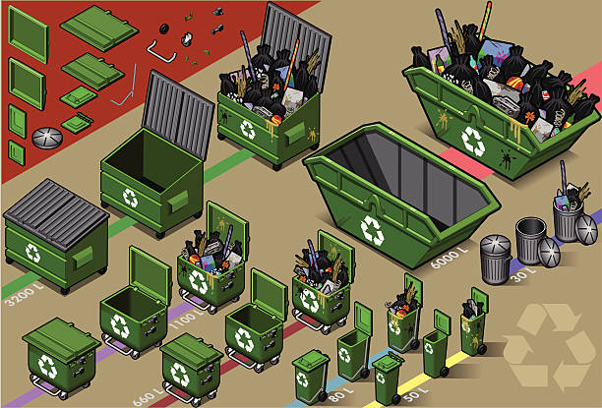
It can be easy to accumulate litter during a cleanout or remodel that you didn’t anticipate. Over the course of several years, old cabinets, ripped-up floors, broken furniture, and years of clutter all have a place to go. The right size of the dumpster ensures that your project is completed on time and on budget. This guide will help you find the right dumpster for your job so you don’t pay for space you won’t use or run out of space halfway through your job.
Why Size Matters More Than You Think
If the dumpster is not large enough, then it means a second rental, more trips, and wasted time. One that is too big is more expensive than needed and may be more difficult to install on your property. The aim is to determine the dimension that can manage your waste once. Some planning at the beginning of a project will help alleviate stress at the end, particularly if a crew is waiting in line or a deadline is looming.
Know the Standard Sizes
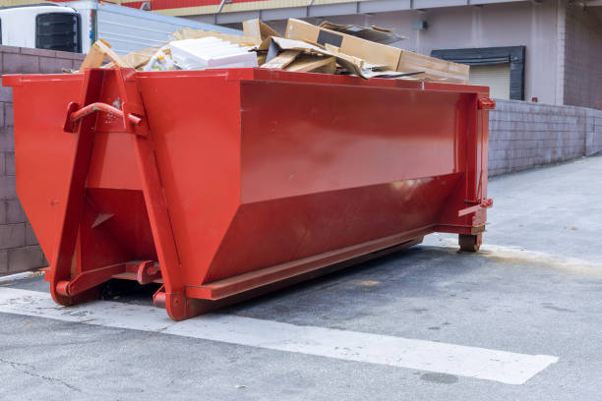
Local dumpster rentals are typically available in a number of different sizes, all in cubic yards. The smallest is a 4-yard container, which is used for small jobs. The 10-yard dumpster is suited for numerous home projects. A 15-yard option provides additional space for large cleanouts, and a 20-yard dumpster is suitable for larger renovations and larger amounts of debris. It saves you time comparing options when you call or book online, and provides a foundation for all your planning to come.
Match the Size to Your Project
Here is a simple guide to start off.
- $4: Small bathroom improvements, one room of getting things organised, or some yard work/rubbish
- 10-yard: Garage/basement cleanouts, carpeting/small flooring projects, minor remodels
- 15 yard: Larger cleanouts, deck removal, or medium kitchen and bathroom remodels.
- 20 yard: Whole house declutter, roof replacements, kitchen remodels
A basic approximation is that a 10-yard dumpster will equal approximately three to four loads in a pickup truck, or a 20-yard dumpster will equal approximately six to eight loads in a pickup truck. These are estimates and should not be used as exact quantities.
Think About Weight, Not Just Space
Some trash is large and lightweight, such as furniture and cardboard. Other debris is light but extremely heavy, including concrete, brick, dirt, and roofing shingles. Some providers put a maximum weight limit, and if the weight is exceeded, it may incur additional fees. If you are moving heavy items, a smaller container may be the better option as it ensures you don’t overload the container. Before the dumpster arrives, inquire with your provider about how weight will be handled for your project.
Check Your Space and Access
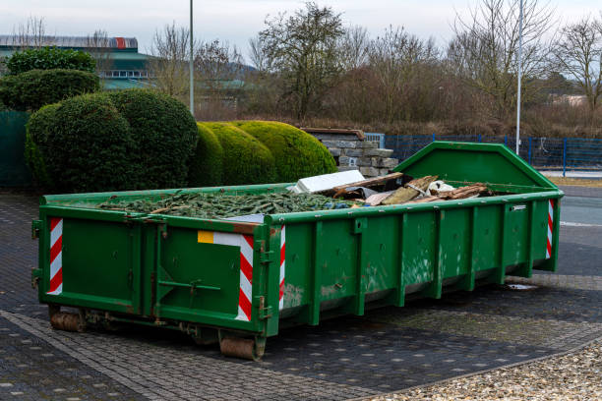
Prior to booking, see where the dumpster will be installed. The majority of house owners have a driveway, and the container should have a level, straight, clean surface in which the truck can deposit and retrieve the container. Look for ground clearance, power lines, and narrow corners. If you’re not sure, measure the space. When located close to the street or on shared property (where rules or requirements may differ), consult local rules or neighborhood requirements first.
When in Doubt, Size Up
When between sizes, it’s best to pick the larger one. Projects generate a lot more waste than anticipated, since unforeseen issues, additional debris, and damage surfaces when construction starts. The price gap between consecutive sizes is often negligible, with respect to the price of a second delivery. Don’t forget that if there is any extra volume, it will matter because you can’t put anything above the top of the trash container.
Tips to Get the Most Out of Your Dumpster
Place heavy objects on the bottom. Take apart furniture, break down boxes so they lie flat and fill in less space. Stuff with smaller objects. Have a list of hazardous materials (such as hazardous chemicals) and inquire with your provider what is prohibited. If they are still in good condition, store them for donation or recycling. This will help you get rid of more trash and may assist you in getting even more into the dumpster.
Conclusion
The factors involved in selecting the correct dumpster size are four: type of project, weight of materials, space available, and a little extra space for those unexpected surprises. When using standard sizes, make sure you match them with your job and increase the size if you’re not sure. If you have a plan, your cleanout or remodel can be done smoothly and on time.