Electrical Panel Upgrades: Signs Your Home Needs One
Your home’s electrical panel is the central hub that distributes power to every outlet, switch, and appliance you use each day. Most homeowners never think about this metal box tucked away in a basement, garage, or utility closet until something goes wrong. Understanding the common electrical panel upgrade signs can help you avoid costly damage, reduce fire risk, and keep your home running smoothly as your power needs grow.
Electrical panels, like every other part of a home, have a lifespan. As families add more devices, appliances, and smart home technology, older panels often struggle to keep up. Below, we will walk through the most important signs that indicate your panel may be due for an upgrade, along with what to expect from the process itself.
Why Electrical Panels Wear Out Over Time
Electrical panels are built to handle a specific amount of power, known as amperage. Decades ago, homes were designed with far fewer electrical demands than today. A typical household in the 1960s or 1970s might have used a panel rated for 60 or 100 amps. Today, with central air conditioning, electric vehicle chargers, home theaters, and multiple computers running at once, that same panel can quickly become overloaded.
Beyond simple demand, materials and components inside panels degrade with age. Breakers can wear out, wiring insulation can become brittle, and connections can loosen. This combination of outdated capacity and physical wear is why recognizing electrical panel upgrade signs early matters so much for long-term home safety.
Frequent Breaker Trips
One of the clearest electrical panel upgrade signs is a breaker that trips repeatedly, even during normal use. Breakers are designed to trip occasionally; that is their job when a circuit is overloaded. However, if you find yourself resetting the same breaker multiple times a week, or if several breakers trip when you run everyday appliances, your panel may no longer be able to meet your home’s electrical demand.
This is especially common in kitchens, where multiple high-draw appliances like microwaves, toasters, and coffee makers often run at the same time. If adding a single appliance consistently causes a trip, it is a strong indicator that the panel’s capacity is falling short.
Flickering or Dimming Lights
Lights that flicker or dim when you turn on an appliance, such as a hair dryer, washing machine, or air conditioner, often point to a panel that cannot distribute power evenly. While a single flicker now and then may not be alarming, a consistent pattern suggests the panel is struggling to balance the load across circuits.
In some cases, this issue stems from loose wiring connections inside the panel itself. Over time, these connections can corrode or loosen, creating resistance that affects how smoothly electricity flows through your home.
Warm or Discolored Panel and Outlets
A healthy electrical panel should never feel warm to the touch, and the area around it should not show signs of discoloration, scorching, or a burning smell. These are serious red flags that suggest overheating inside the panel, often caused by old wiring, corroded connections, or breakers that are no longer functioning properly.
Warm outlets or switch plates elsewhere in the home can also indicate panel-related issues, since excess heat sometimes travels through the wiring. If you notice any warmth, odor, or visible damage near your panel or outlets, it is important to have an electrician inspect the system right away rather than waiting for the problem to worsen.
Buzzing or Crackling Sounds
Electrical systems should operate silently. If you hear buzzing, crackling, or humming coming from your panel, this often means there is a loose connection or an electrical arc occurring inside. Arcing happens when electricity jumps across a gap it should not be crossing, which generates heat and poses a significant fire risk.
Any unusual sound from your panel warrants immediate attention from a licensed electrician. This is not a sign to monitor over time; it is one of the more urgent electrical panel upgrade signs homeowners should never ignore.
A Fuse Box Instead of a Breaker Panel
Many older homes, particularly those built before the 1960s, still rely on fuse boxes rather than modern circuit breaker panels. While fuse boxes were standard for their time, they are far less convenient and often less safe than today’s systems. Replacing a blown fuse requires finding the correct replacement and physically swapping it out, whereas modern breakers can simply be reset with a flip of a switch.
Fuse boxes also tend to have lower amperage capacity, making them a poor match for modern electricity use. If your home still has a fuse box, upgrading to a circuit breaker panel is typically one of the most worthwhile electrical improvements you can make.
Planning a Major Renovation or Addition
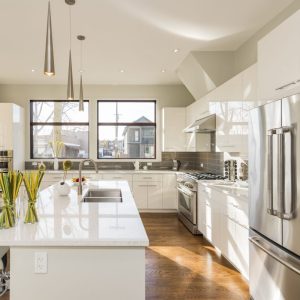
If you are planning a kitchen remodel, finishing a basement, adding a home office, or building an addition, your current panel may not have enough capacity to support the new circuits these projects require. Renovations often introduce new appliances, lighting, and outlets, all of which draw additional power.
Electricians frequently recommend evaluating your panel’s capacity before beginning any major renovation. Discovering a capacity issue mid-project can cause costly delays, so addressing it early is one of the smartest ways to prepare for the system’s additional demand.
Installing an Electric Vehicle Charger or High-Demand Appliances
Electric vehicle chargers, hot tubs, large HVAC systems, and other high-demand appliances require a significant, steady supply of power. Many existing panels, especially those rated for 100 amps or less, were not designed to accommodate this kind of load alongside everyday household use.
Homeowners adding an EV charger often discover this is the moment they need an upgrade, since Level 2 chargers typically require a dedicated 240-volt circuit with substantial amperage. A panel upgrade ensures these new additions do not strain the rest of your electrical system.
Panel Age
Even without obvious symptoms, panel age alone can be one of the more important electrical panel upgrade signs. Most panels are built to last between 25 and 40 years, depending on the manufacturer and materials used. If your panel is approaching or has passed this range, it is worth having it inspected, even if you have not noticed any problems yet.
Certain older panel brands, including some Federal Pacific and Zinsco models, have also been associated with documented safety concerns and are often recommended for replacement regardless of age, due to known issues with breakers failing to trip properly.
Insufficient Number of Circuits
Modern homes typically need more individual circuits than older panels were built to provide. If your panel is completely full of breakers with no room for expansion, known as having no open slots, you may be using tandem breakers or extension cords as workarounds. These solutions are not ideal long-term fixes and can create safety hazards if used improperly.
An upgraded panel gives you the flexibility to add circuits as needed, whether for a new appliance, a home office setup, or future renovations, without having to compromise on safety or code compliance.
Frequent Use of Extension Cords and Power Strips
If your home regularly relies on extension cords and power strips to make up for a lack of outlets or circuit capacity, this is often a sign your panel cannot adequately support your household’s needs. While occasional use is normal, consistent dependence on these items, especially for larger appliances, suggests your electrical infrastructure needs reinforcement.
Extension cords are not designed for permanent, long-term power delivery and can become a fire hazard when overused or overloaded. Addressing the root cause, an undersized panel, is a safer long-term solution than continuing to rely on these temporary fixes.
Home Insurance or Inspection Concerns
Some home insurance companies have begun flagging older panel types, particularly Federal Pacific and Zinsco panels, as liabilities. In certain cases, insurers may require an upgrade before issuing or renewing a policy. Similarly, home inspectors frequently note outdated panels as a point of concern during real estate transactions, which can affect negotiations or closing timelines.
If you are planning to sell your home, or if your insurance provider has raised questions about your panel, addressing the issue proactively can prevent complications down the road.
What to Expect During a Panel Upgrade
A typical panel upgrade involves a licensed electrician assessing your home’s current and anticipated electrical needs, then installing a new panel rated for higher amperage, often 150 or 200 amps for most modern homes. The process usually includes disconnecting power temporarily, removing the old panel, installing the new one, and reconnecting all circuits.
Most upgrades can be completed within a single day, though the exact timeline depends on the complexity of your home’s wiring and whether any additional code-related updates are needed. A permit and inspection are typically required to ensure the work meets local safety standards.
The Benefits of Upgrading Your Panel
Beyond resolving the immediate signs discussed above, a panel upgrade offers several long-term advantages. Increased capacity allows your home to support modern appliances and technology without strain. Improved safety reduces the risk of electrical fires caused by old wiring, worn breakers, or overheating components. Additionally, an upgraded panel can increase your home’s resale value, since many buyers and inspectors view updated electrical systems favorably.
Homeowners planning for solar panel installation, EV charging, or expanded smart home systems will also find that a modern panel provides the flexibility needed to support these additions down the line.
Frequently Asked Questions
How do I know if my electrical panel needs an upgrade?
Common electrical panel upgrade signs include frequent breaker trips, flickering lights, warm or discolored panel surfaces, buzzing sounds, and an outdated fuse box. If you notice any of these, it is best to have a licensed electrician inspect your panel.
How much does an electrical panel upgrade typically cost?
Costs vary based on your location, panel size, and the complexity of your home’s wiring. Factors that influence price include:
- Amperage rating of the new panel
- Age and condition of existing wiring
- Permit and inspection fees
- Labor rates in your area
An electrician can provide an accurate quote after evaluating your specific situation.
How long does a panel upgrade take?
Most upgrades are completed in a single day, though homes with more complex wiring or additional code updates may take longer.
Is it safe to live in my home with an outdated panel?
Many older panels continue to function, but they carry a higher risk of overheating, breaker failure, and fire hazards. If your panel shows any of the signs discussed above, it is safer to have it evaluated sooner rather than later.
Do I need a permit for an electrical panel upgrade?
Yes, most municipalities require a permit and a subsequent inspection to ensure the new panel meets current electrical codes.
Can I upgrade my panel myself?
Panel upgrades involve working with high-voltage power and should only be performed by a licensed electrician. Attempting this work without proper training poses serious safety risks.
Trust a Licensed Electrician With Your Panel Upgrade
Recognizing the signs that your electrical panel needs an upgrade is the first step toward a safer, more reliable home. Whether you are dealing with frequent breaker trips, planning a renovation, or simply noticing your panel is showing its age, addressing the issue early can prevent bigger problems down the road. A qualified electrician can evaluate your current system, explain your options, and help you choose the right panel to meet both your current needs and future plans.