6 Family Agreements to Make Before Bringing Home a Dog
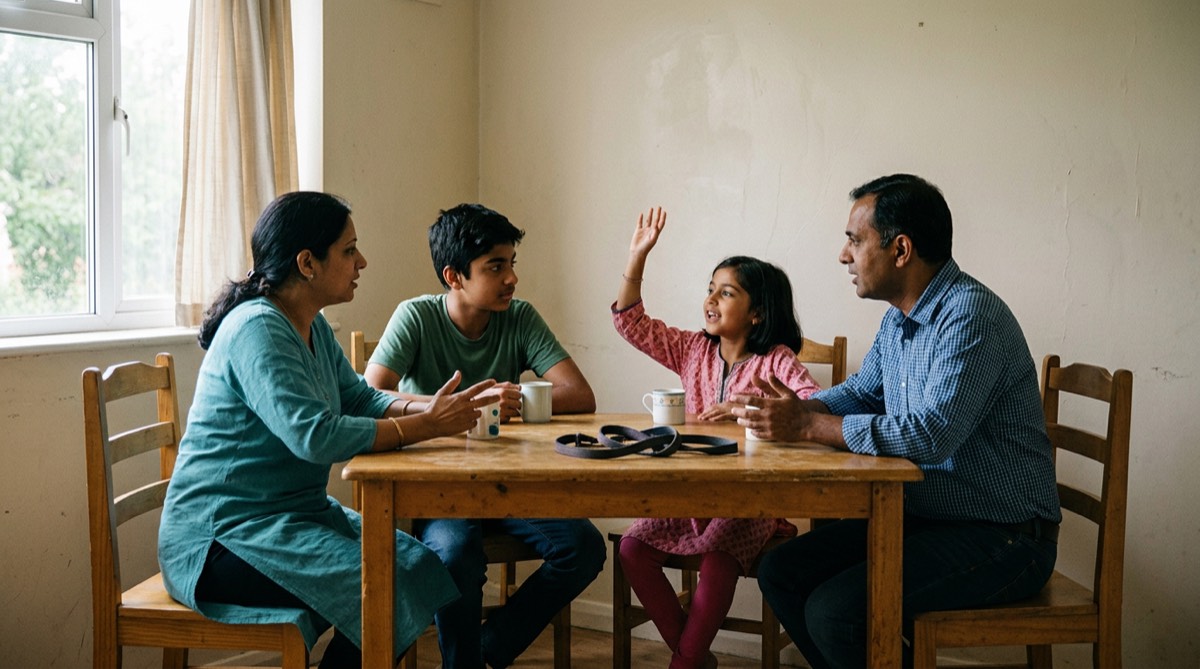
The kids have promised to walk the dog every single day. Everyone has a name picked out, and someone has already bookmarked three rescue listings. It’s an exciting moment, and it’s also the best time to sit down together and decide how life will actually work once a dog is living with you.
A dog changes the rhythm of a household. Without clear agreements, the same few people end up doing most of the work, and small frustrations turn into arguments about who promised what. A short family conversation before adoption day gives everyone a fair share and a clear picture of what’s coming. These six agreements cover the decisions most families wish they’d made earlier.
Agreement #1 – Who Handles Daily Care
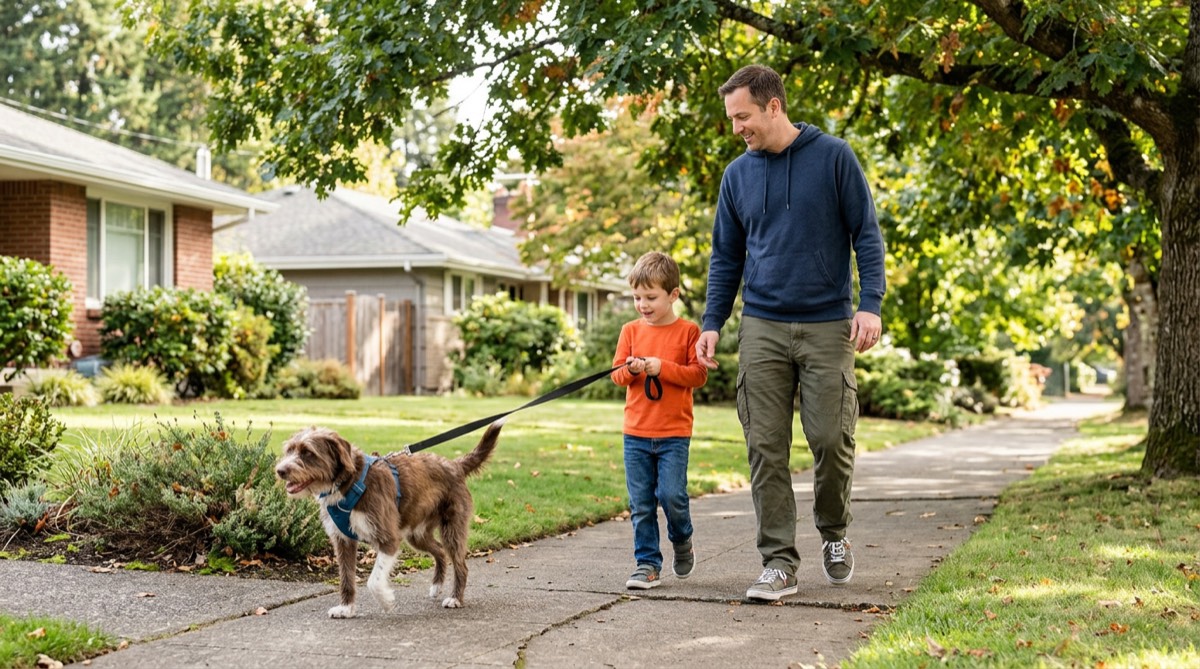
Daily care is the agreement that matters most, because it happens every day whether anyone feels like it or not. Decide now who feeds, walks and lets the dog out at each point in the day, and write it down where everyone can see it.
Break the day into specific jobs rather than vague promises like “I’ll help with the dog”:
- Morning feeding and the first bathroom break
- The main daily walk and playtime
- Fresh water and an evening bathroom break
- The last trip outside before bed
Match each job to the person whose schedule fits it, not the person who’s most excited. A teenager with early practice can’t own the morning walk, however sincere the offer. Post the care chart on the fridge and agree to review it after the first month, once you know how the real routine feels.
Expect the chart to change. A new school term, a different shift pattern or a sports season can all upset the plan, so agree that anyone can ask for a swap as long as they arrange cover first.
Children can take part at any age, as long as their jobs match what they can handle. A young child might fill the water bowl with an adult nearby, while an older child might take on an evening walk around the block once you’re confident they can manage the dog safely.
Agreement #2 – Which Jobs Stay With the Adults
Some responsibilities belong with adults no matter how capable the kids are. Naming them up front prevents confusion later and keeps children from carrying more than they should.
Talk through which decisions and tasks an adult will always own. Most families find these fall into a few clear areas.
Supervision Around Young Children
Even a gentle dog needs an adult watching when small children are nearby. The CDC advises families to always supervise young children around dogs, even trusted family pets. Agree on which adult is responsible whenever young children and the dog share a room.
Training and Behavior Decisions
Consistency matters more than any single training method. Choose one adult to lead training and make sure everyone uses the same commands and rewards, so the dog isn’t getting mixed messages.
Health and Medication
An adult should handle vet appointments, medication and any decisions about the dog’s health. Keep the vet’s number, vaccination records and medication schedule in one shared place so any adult can find them quickly. Agree too on who has the final say if adults disagree about a health decision, so nobody is left arguing in a waiting room.
Agreement #3 – Where the Dog Can and Can’t Go
House rules work best when the whole family agrees on them before the dog arrives. If one person lets the dog on the bed and another sends it to the floor, the dog learns that rules are optional.
Walk through the home together and decide room by room: bedrooms, the kitchen during meals, the furniture and the yard. Many families find the living room needs the clearest rule, since it’s where everyone gathers. If you’ve agreed the dog is welcome on the couch, think about how that shared space will look and feel for everyone. When the family is choosing new seating for the room, it helps to compare upholstery as carefully as layout, and you can order fabric swatches for Home Reserve’s performance-fabric sectional couches to test at home. Rub a swatch with a damp cloth and a lint roller to see how it handles everyday use before the family decides.
If the couch is off limits, give the dog a comfortable bed of its own in the same room so it can still be part of family time. Whatever you choose, make the rule simple enough that a visiting grandparent could follow it. Decide as well where the dog sleeps on the first night. A crate or bed in a quiet corner, agreed on in advance, saves a tired family from making that call at midnight.
Agreement #4 – How the House Stays Clean
Cleaning routines prevent the slow buildup of resentment that comes when one person always ends up with the mop. A dog adds hair, muddy paws and food bowls to the household workload, so share it out from the start.
Agree on who handles each recurring task:
- Washing food and water bowls
- Wiping paws after wet or muddy walks
- Vacuuming dog hair from floors and furniture
- Washing the dog’s bedding and toys
Bowls need more attention than many people expect. The FDA recommends that you wash pet food bowls and scooping and measuring utensils with soap and hot water after each use. Keep a towel by the door for wiping paws, and agree that whoever brings the dog in wipes its feet before it heads for the rest of the house.
Agreement #5 – How You’ll Pay for Vet Care
Veterinary costs are easier to handle when the family has agreed on a plan before they happen. Routine care like checkups and vaccinations is predictable, but an unexpected illness or accident can arrive at any time.
Sit down as adults and agree on how you’d pay for both kinds of care. Some households set aside a monthly amount in a separate savings account, while others prefer a predictable monthly cost and compare plans such as the accident and illness pet insurance Spot offers, which lets you visit any licensed vet in the U.S. or Canada. Read each plan’s exclusions and waiting periods before you enroll, and note how claims are submitted so any adult in the house can do it.
Ask the vet at your first visit what routine care your dog will need in its first year, such as vaccinations and parasite prevention. Add those to the household budget so the predictable costs are covered before anything unexpected comes along.
Whatever route you choose, agree on a spending limit that needs a family conversation. Knowing in advance what you’d consult each other about removes a lot of stress from difficult decisions.
Agreement #6 – Who Steps In When You Can’t
Backup care is the agreement most families forget until the day they need it. Work trips, illness, family emergencies and holidays will all happen, and the dog still needs care every day.
Name at least two people outside the household who could feed and walk the dog on short notice, and ask them before adoption day rather than assuming. Write a one-page care sheet with feeding amounts, walk times, the vet’s number and any quirks, and keep it somewhere easy to find. If you’ll rely on a boarding kennel or pet sitter, visit or interview them early so they’re ready when you need them. If the dog will stay at a friend’s or relative’s home, arrange a short visit first so the place smells familiar before the dog has to stay overnight.
| Top Tip: Do a trial run before you need backup care for real. Ask your first backup person to handle a morning feeding and walk while you’re home. You’ll both find out what’s missing from your care sheet, and the dog gets to know them while you’re still around. |
Write the Agreements Down Before Adoption Day
A dog fits into family life far more smoothly when everyone knows their part before the first night home. These six agreements turn good intentions into a plan the whole household can follow and adjust together.
Set aside one evening this week for a family meeting. Bring a sheet of paper, go through each agreement in turn and write down what you decide. Sign it together and put it on the fridge next to the care chart. Then you’ll be ready to choose your dog with confidence.
Frequently Asked Questions
How do we split dog care fairly between family members?
Break the day into specific jobs, such as morning feeding, the main walk and the last trip outside, and match each one to the person whose schedule fits. Post the chart on the fridge and review it after the first month.
Which dog care jobs should always stay with adults?
Adults should handle supervision around young children, lead training decisions and manage vet visits and medication. The CDC advises always supervising young children around dogs, even trusted family pets.
What should a backup dog care plan include?
Name at least two people outside the household who can step in, and give them a one-page care sheet with feeding, walks and the vet’s number. A trial run before you need them helps everyone prepare.