Ammunition metallurgy debates continue as range shooters compare steel and brass casings
Sporting shooters and range operators weigh corrosion resistance, reloadability, and barrel wear when choosing between steel-cased and brass-cased rounds. Understanding how these metals behave inside your rifle chamber helps you balance range budgets with long-term maintenance.
When you evaluate 7.62x39mm cartridges, you weigh the upfront savings of coated steel cases against the reloadability and cleaner extraction of brass. Every trip to the counter forces a choice between stretching your budget and minimizing wear on internal parts.
Both casing metals serve clear roles depending on where you practice and how often you clean your rifle. Examining metallurgy, chamber fouling, range rules, and reloading economics helps you buy the right rounds.

How Do Steel and Brass Metallurgy Differ?
Brass cases rely on a malleable copper-zinc alloy that handles chamber pressure gracefully. When your firing pin ignites the primer, brass walls expand to seal the chamber, then spring back for extraction.
Ammunition makers stamp steel cases from mild carbon steel, which lacks elasticity and rusts near moisture. Factories apply a polymer or lacquer coating to block corrosion and keep cartridges feeding smoothly.
Most steel-cased rounds pair coated hulls with bi-metal projectiles made from lead wrapped in copper-washed steel. Brass-cased ammunition normally uses pure copper jackets that glide down rifling with lower friction.
Comparing Steel and Brass Performance in 7.62x39mm Rifles
Loading 7.62x39mm cartridges into an AK-pattern rifle shows how casing elasticity shapes cycling reliability during rapid fire. Reviewing side-by-side durability and cost comparisons for AK-47 ammo proves that rugged rifles handle both metals well while stressing parts differently. Brass forms a tight gas seal against chamber walls, whereas stiffer steel lets carbon blow back into your receiver.
Rifles built around the 7.62x39mm round feature tapered chambers and heavy extractors made for steel hulls. Generous chamber clearances let steel cases eject cleanly after 500 consecutive shots.
Tighter match chambers on custom rifles leave minimal room for stiff steel walls to clear. Those precision chambers run smoother and extract reliably with forgiving brass.
Why Does Chamber Cleanliness Matter for Your Rifle?
Because mild steel does not expand fully against chamber walls, burning gases slip backward around the case neck. Gear specialists at Academy Sports + Outdoors note that malleable brass walls adapt smoothly to chamber dimensions, preventing stuck hulls during cycling.
Loading brass cartridges after a steel-cased session without scrubbing your chamber invites jams. Soft brass walls expand into leftover carbon fouling and grip rough walls during extraction.
Running a solvent-soaked bronze brush through your chamber after every trip clears soot early. Spending 5 minutes on cleaning lets you switch casing types without trouble.
What Extractor and Barrel Wear Should You Expect?
Hard mild-steel rims create friction against your steel extractor claw every time the bolt cycles. Replacing a worn extractor claw takes 10 minutes and costs under $20 for popular rifles.
Bi-metal bullet jackets on steel-cased rounds accelerate throat erosion during heavy shooting schedules. Pure copper jackets on brass loads treat rifling gently and extend barrel life by 2,000 rounds.
Recreational shooters firing 300 rounds per year rarely notice any loss in accuracy. High-volume shooters save enough on bulk steel cases to buy a replacement barrel before groups open up.
How Do Indoor Range Magnet Rules Affect Your Choice?
Many indoor ranges test your ammunition with a magnet before letting you onto the firing line. Operators enforce magnet rules to protect steel backstops from pitting and prevent sparks near powder.
- Check bullet tips: A magnet sticks to bi-metal jackets even when factories seat bullets inside brass cases.
- Verify facility rules: Read range policies online before packing steel-cased boxes for indoor practice.
- Pack brass backups: Carry 2 or 3 boxes of copper-jacketed brass rounds for magnet-restricted lanes.
Outdoor ranges with dirt berms rarely ban steel cases or bi-metal projectiles, letting you shoot bulk packs freely. Checking rules early saves you from paying steep markups for approved ammunition.
Calculating Cost-Per-Round Economics for High-Volume Practice
Steel-cased 7.62x39mm cartridges frequently cost $0.05 to $0.10 less per round than brass options. Across a 1,000-round bulk case, those savings put $50 to $100 back in your wallet.
Shooters focused on close-range drills or plinking gain the biggest advantage from budget steel rounds. Lower ammunition costs let you schedule extra range trips and build stronger marksmanship habits.
Brass makes sense when you need consistent velocities for benchrest precision or hunting trips. Paying a small premium delivers tighter powder charges and cleaner ignition when every shot counts.
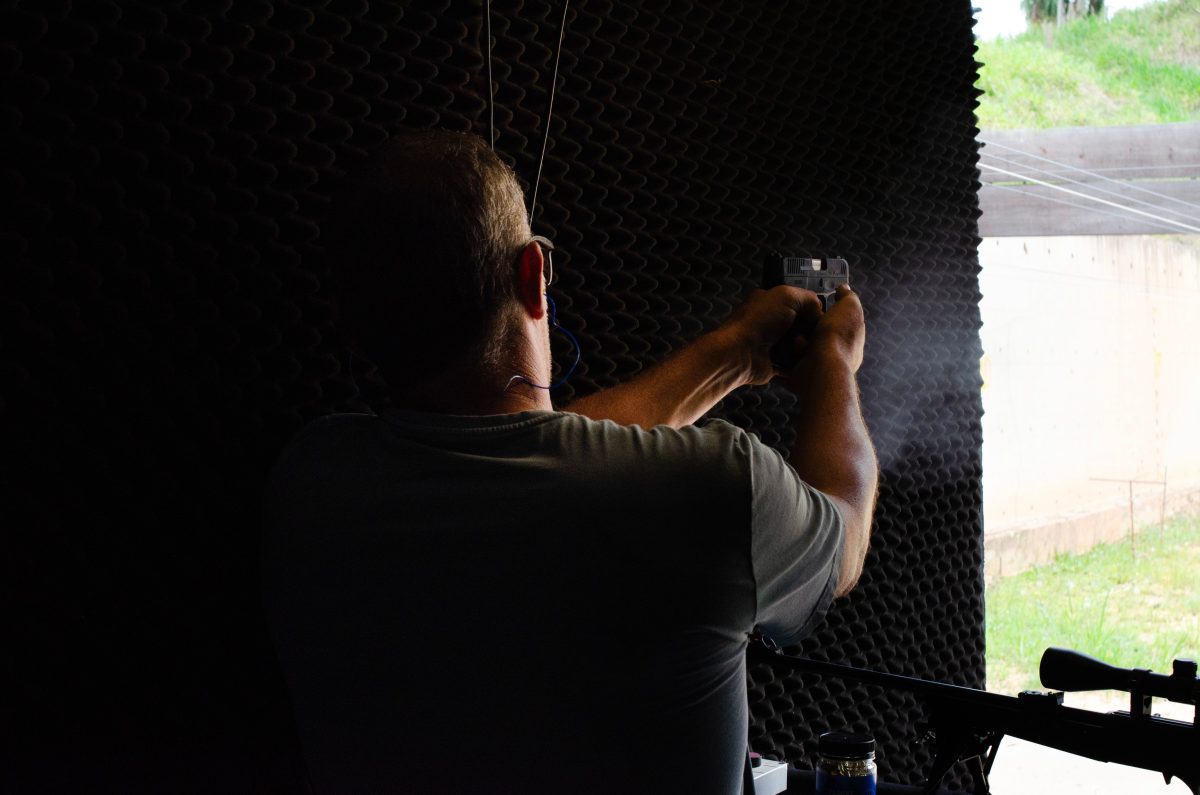
Choosing between steel and brass casings comes down to range regulations, cleaning habits, and reloading plans. Steel delivers unbeatable value for outdoor practice, while brass offers cleaner operation, indoor access, and multi-use longevity.
Pay attention to how your rifle cycles both materials and keep a cleaning kit handy. Matching the right casing to each session protects your gear and stretches your budget.