How to Prepare Your Home Before Residential Elevator Installers Arrive
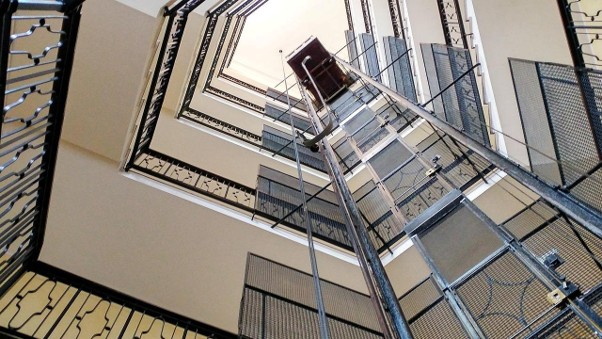
Installing a residential elevator is an important home improvement project that can make everyday life more convenient, accessible, and comfortable. Whether you are adding an elevator to an existing property or incorporating one into a newly constructed home, proper preparation can help the installation process run smoothly.
For homeowners in Charleston, Bluffton, Hilton Head Island, Beaufort, and other South Carolina communities, residential elevators are particularly useful in multi-story homes and elevated coastal properties.
However, installing an elevator involves more than simply delivering equipment and placing it inside the house. Depending on the elevator type, the project may require structural modifications, electrical work, construction preparation, and inspections.
Preparing your property before the installation team arrives can help reduce unnecessary delays, protect surrounding areas, and create a safer working environment.
This guide explains the essential steps homeowners should take before residential elevator installation begins.
Confirm Your Residential Elevator Installation Plan
Before installation day, review the project details with your elevator contractor.
Make sure you understand where the elevator will be installed, which floors it will serve, and what construction work is required.
The installation plan should identify the elevator model, cabin dimensions, entrance locations, electrical requirements, and any necessary structural modifications.
For existing homes, the project may involve creating floor openings, modifying walls, or constructing a dedicated hoistway.
New construction projects may allow these requirements to be incorporated into the original building design.
Confirm that the contractor has completed the necessary site measurements and equipment specifications.
Clear communication before installation helps prevent misunderstandings once construction begins.
Clear the Elevator Installation Area
One of the simplest ways to prepare your home is to remove furniture and personal belongings from the installation area.
Depending on the project, installers may need access to multiple floors.
Move chairs, tables, rugs, decorations, and other items away from the designated work zone.
If the elevator will be installed near a staircase or hallway, make sure workers have enough room to transport tools and equipment safely.
Homeowners should also remove fragile or valuable belongings from nearby areas.
Avoid placing items inside the planned elevator space after the contractor has completed final measurements.
Keeping the work area clear can help installers perform their tasks more efficiently.
Create a Safe Access Route for Equipment Delivery
Residential elevator components may be large, heavy, or difficult to maneuver through narrow spaces.
Before installation begins, discuss the delivery route with your contractor.
The installation team may need access through a garage, driveway, exterior entrance, or another designated area.
Make sure the agreed route is free from unnecessary obstacles.
Vehicles, outdoor furniture, storage containers, and landscaping equipment may need to be moved temporarily.
For homes with narrow hallways or limited access, installers may recommend a specific delivery approach.
Do not attempt to move heavy elevator components yourself.
Professional installers should handle equipment transportation and positioning using appropriate procedures.
Complete Necessary Structural Preparations
Some residential elevators require modifications to the home’s structure.
These may include floor openings, supporting framing, hoistway construction, or reinforced mounting areas.
The exact requirements depend on the elevator model and installation location.
Structural work should be completed by qualified professionals according to approved plans and applicable building requirements.
Homeowners should confirm whether structural preparation is included in the elevator installation contract or handled by a separate contractor.
If the work is being completed in stages, coordinate the schedule carefully.
The elevator installation team should not arrive expecting a completed hoistway if essential construction work remains unfinished.
Check Electrical Requirements Before Installation
Residential elevators require electrical connections appropriate for their operating systems.
Depending on the model, the installation may require a dedicated circuit, specific voltage, disconnect equipment, or other electrical provisions.
Homeowners should never assume that an existing household outlet will meet the elevator’s requirements.
Ask the installer for the manufacturer’s electrical specifications.
A qualified electrician should complete any necessary wiring or electrical upgrades.
Electrical work may also require permits and inspections.
Confirm that the required electrical preparation is complete before the elevator installation team arrives.
Proper coordination can help avoid delays and reduce the need for additional visits.
Understand the Difference Between Elevator Types
Before preparing the installation area, homeowners should understand the equipment being installed.
Some properties may be suitable for traditional residential elevators, while others may benefit from vertical platform lifts.
When comparing vertical lift vs home elevator options, it is important to consider travel distance, accessibility requirements, available space, and equipment design.
A vertical platform lift may be suitable for certain shorter travel distances or accessible entrances.
A residential elevator may offer a different solution for regular movement between multiple floors.
Each system has its own installation specifications.
For example, the required foundation, enclosure, electrical connections, and landing arrangements may differ.
Understanding these requirements helps homeowners prepare the correct space for their selected equipment.
Confirm Permits and Inspection Requirements
Residential elevator installation may involve local building permits, electrical permits, and construction inspections.
Requirements vary depending on the project’s location and scope.
For example, homeowners in Charleston may follow different local permitting procedures from those in Bluffton or Beaufort.
Some properties may also require additional approvals for exterior construction or structural modifications.
Before installation begins, confirm who is responsible for obtaining permits and scheduling inspections.
Your contractor should explain which approvals are necessary and when inspections will occur.
Do not assume that all residential elevator projects follow the same approval process.
Completing required paperwork before construction can help prevent avoidable interruptions.
Protect Flooring, Walls, and Nearby Furniture
Elevator installation may involve transporting heavy equipment, using construction tools, and performing work near finished interior surfaces.
Homeowners should discuss protective measures with their contractor.
Depending on the project, temporary floor coverings, wall protection, and dust-control barriers may be appropriate.
Remove delicate decorations and valuable belongings from nearby rooms.
If construction involves cutting or drilling, dust may spread beyond the immediate work area.
Close doors to unaffected rooms when practical and follow the contractor’s recommendations for protecting ventilation systems and surrounding spaces.
Taking precautions before installation can help reduce cleanup and protect existing finishes.
Prepare for Noise and Temporary Disruptions
Residential elevator installation can involve construction noise, equipment movement, and temporary restrictions on access to certain parts of the home.
Depending on the project, installers may use drills, cutting equipment, and other tools.
Some work may temporarily affect hallways, staircases, or nearby rooms.
Ask your contractor about the expected installation schedule and which areas will be unavailable.
If household members work from home, plan around potentially noisy activities.
Families with young children, older adults, or individuals with mobility limitations should also consider how temporary access restrictions may affect daily routines.
Advance planning can make the construction period more manageable.
Make Arrangements for Children and Pets
Construction areas can present hazards for children and pets.
Tools, electrical equipment, open floor areas, and heavy materials should remain inaccessible to anyone who is not involved in the installation.
Before work begins, establish a separate area where children and pets can remain safely away from construction activity.
Avoid allowing household members to enter restricted work zones.
If the project involves significant structural modifications, the contractor may recommend temporary changes to normal household access.
Following these precautions can help maintain a safer environment throughout the installation.
Prepare Outdoor Installation Areas
Outdoor residential elevators are particularly useful for elevated coastal homes in South Carolina.
However, exterior installations require additional site preparation.
Depending on the equipment, installers may need access to foundations, mounting structures, landing platforms, and electrical connections.
Clear the surrounding area of outdoor furniture, equipment, and other obstacles.
Landscaping may need to be adjusted to provide appropriate access.
For coastal properties, drainage, flood-related requirements, and environmental exposure should be evaluated during project planning.
Homeowners should also confirm that the selected elevator is designed or approved for outdoor installation.
Weather conditions may affect construction scheduling, so discuss possible delays with your contractor.
Coordinate With Your Residential Elevator Contractor
Good communication is essential throughout the installation process.
Before work begins, review the project schedule, contractor responsibilities, and any outstanding preparation tasks.
Ask whether additional professionals will be involved, such as electricians, builders, or structural engineers.
A qualified lift elevator Company should explain the installation sequence and identify the work that must be completed before equipment delivery.
Homeowners should also confirm who will handle inspections, testing, and final commissioning.
Request a clear point of contact for questions or unexpected issues during construction.
Keeping everyone informed helps reduce scheduling conflicts and misunderstandings.
Plan for Final Testing and Safety Instructions
Residential elevator installation is not complete simply because the equipment has been assembled.
The system must undergo appropriate testing, adjustments, and commissioning procedures.
Installers should verify that the elevator operates according to manufacturer requirements.
Homeowners should also receive instructions covering normal operation, emergency procedures, load limits, and maintenance recommendations.
Ask the installation team to demonstrate the elevator’s controls and explain what to do if the equipment stops unexpectedly.
Do not use the elevator until required inspections, approvals, and commissioning procedures have been completed.
Understanding the system before regular use is an important part of safe ownership.
Ask About Maintenance Before Installation Is Finished
Residential elevators require ongoing professional maintenance to support reliable operation.
Before the installation team leaves, ask about the manufacturer’s recommended service schedule.
Find out whether the installer offers maintenance agreements or can recommend qualified service providers.
Keep copies of warranty documents, operating manuals, installation records, and maintenance instructions.
Homeowners in coastal South Carolina should also discuss environmental maintenance requirements, particularly for outdoor elevators exposed to humidity and salt-containing air.
Planning for maintenance from the beginning can help protect the equipment and reduce avoidable problems.
Conclusion
Preparing your home before residential elevator installers arrive can make the installation process more organized, efficient, and manageable.
Important steps include confirming the installation plan, clearing the work area, preparing equipment access routes, completing structural and electrical work, and understanding applicable permit requirements.
Homeowners should also protect nearby surfaces, plan for temporary disruptions, and establish safe boundaries around construction areas.
Whether you are comparing vertical lift vs home elevator solutions or preparing for an already scheduled installation, understanding the equipment’s specific requirements is essential.
For homeowners in Charleston, Bluffton, Hilton Head Island, Beaufort, and surrounding South Carolina communities, coastal conditions and elevated home designs may require additional preparation.
Working with an experienced lift elevator Company can help coordinate the installation process, identify necessary preparations, and ensure that equipment is properly tested before use.
With thoughtful planning and professional guidance, homeowners can prepare their properties for a residential elevator that provides convenient access between floors for years to come.
Related Posts