Motorcycle Crash Claims in Manhattan, Kansas and the Bias Riders Face
“I never saw them.” Those four words come up after so many motorcycle crashes that riders have learned to expect them. A driver turns left across a rider’s path, changes lanes into a blind spot, or pulls out of a parking lot without a second look, and the rider pays the price with injuries that a car’s frame would have absorbed.
What happens next can be just as frustrating. Insurance adjusters sometimes assume riders are reckless, and that assumption can follow a claim from the first phone call to the final offer. Working with motorcycle accident attorneys in Manhattan, Kansas can help riders push back against that bias and focus on the facts. This guide covers why rider claims are treated differently, the Kansas laws that apply, local riding conditions, and common questions riders ask after a crash.
The Bias Riders Face After a Crash
Many people picture motorcyclists as thrill-seekers who speed and weave through traffic. Most riders are nothing like that, but the stereotype can still shape how a crash is viewed. An adjuster, a witness, or even a juror may start with the assumption that the rider must have done something wrong, even when the evidence points to the other driver.
This matters because fault decides who pays. In Kansas, any share of blame assigned to the rider reduces what they can recover, and too much blame can wipe out the claim entirely. Insurers know this, so they may question the rider’s speed, lane position, or riding gear in hopes of shifting part of the fault away from their own driver.
The best answer to bias is evidence. Photos of the scene, damage to both vehicles, skid marks, witness statements, and video from dash cams or nearby businesses can show what really happened. A helmet camera, if the rider had one, can be especially powerful because it captures the crash from the rider’s point of view.
Kansas Laws Every Rider Should Know
Kansas has a partial helmet law. Under K.S.A. 8-1598, riders and passengers under 18 must wear a helmet that meets federal safety standards. Adults are not required to wear one, but riders must use eye protection such as goggles or a face shield unless the motorcycle has a windscreen of the required height. Going without a helmet as an adult is not illegal, though an insurer may still argue that it made certain head injuries worse.
Kansas also gives motorcycles the right to the full use of a lane, so drivers cannot crowd a rider out of their space. At the same time, lane splitting, which means riding between lanes of slow or stopped traffic, is not allowed. Two riders may share a lane side by side, but riding between rows of cars can be used against a rider in a fault dispute.
The broader claim rules are the same ones that apply to other crashes in the state. Kansas uses a no-fault insurance system, though personal injury protection can work differently on motorcycle policies, so riders should check their own coverage. To recover from the at-fault driver for pain and suffering, the rider usually must meet the state’s injury threshold, and recovery is reduced by any share of fault, with no recovery if the rider’s fault is equal to or greater than the other driver’s.
Riding In and Around Manhattan, Kansas
Manhattan is a popular base for riders. The rolling Flint Hills, the roads around Tuttle Creek Lake, and K-177 heading south toward some of the most scenic stretches of the region draw riders on warm weekends. Those same roads can be risky, with sharp curves, loose gravel near rural intersections, livestock and deer, and long distances between emergency services.
Inside the city, the challenges are different. Kansas State University fills the streets with students, many of them new drivers or unfamiliar with local traffic patterns. Busy corridors like Tuttle Creek Boulevard, Anderson Avenue, Seth Child Road, and the area around Aggieville see frequent turning traffic, which is where left-turn crashes involving motorcycles often happen.
Manhattan’s ties to nearby Fort Riley also add to local traffic, especially on K-18 between Manhattan and Junction City. Many soldiers ride, and heavy commuter traffic at shift changes can create crowded conditions where a motorcycle is easy to miss. After a crash in the area, the Riley County Police Department or Kansas Highway Patrol will typically prepare the report.
Protecting Your Claim in the Days After a Crash
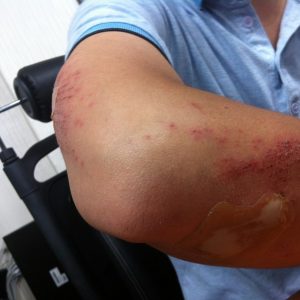
Motorcycle injuries are often serious, including broken bones, road rash, spinal damage, and head injuries. Get checked by a doctor right away, even if adrenaline makes you feel fine at the scene. Medical records created soon after the crash are some of the strongest evidence linking your injuries to the collision.
Your gear and your bike tell part of the story too. Hold on to your damaged helmet, jacket, gloves, and boots instead of throwing them away, and avoid repairing the motorcycle until it has been photographed and inspected. Scuffs, cracks, and impact points can help show where you were hit and how hard.
Be careful with what you say and post. Statements to the other driver’s insurer can be twisted to suggest you were speeding or not paying attention, and photos on social media of you riding later can be used to argue your injuries are minor. It is often best to let someone experienced handle communication with insurers while you focus on healing.
Frequently Asked Questions From Kansas Riders
Can I still recover money if I was not wearing a helmet? Yes, in many cases. Adults in Kansas are not legally required to wear a helmet, so riding without one is not a violation. The other side may argue that a helmet would have reduced a head injury, but that argument usually does not affect injuries to other parts of the body.
What if the driver says they never saw me? Not seeing a motorcycle is not a defense. Drivers have a duty to watch for all traffic, including smaller vehicles, and a failure to look carefully before turning or changing lanes is often the very negligence that caused the crash.
How long do I have to file a claim in Kansas? Most personal injury lawsuits must be filed within two years of the crash. Waiting until the deadline is close can make it harder to find witnesses and gather video or other evidence, so it is better to start early.
Will my own insurance cover my injuries? It depends on your policy. Kansas has a no-fault system, but coverage on motorcycle policies can differ from car policies, so review your policy and any uninsured or underinsured motorist coverage, which can help if the at-fault driver has little or no insurance.
Is lane splitting ever allowed in Kansas? No. Riding between lanes of traffic or between rows of stopped cars is not permitted, and doing so could be used to place part of the blame on the rider after a crash.
Riding Forward After a Crash
Motorcyclists in Manhattan enjoy some of the best riding in Kansas, but they also face drivers who too often overlook them. When a crash happens, knowing the state’s helmet and lane rules, the fault system, and the two-year deadline helps riders protect their claim from unfair blame. Careful documentation and early action give injured riders the best chance to recover what they need and get back on the road.