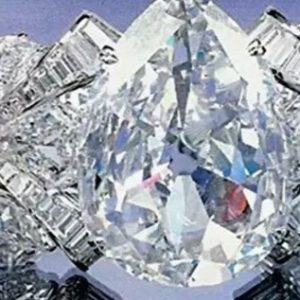
Why Two Four Carat Diamonds Can Differ in Price by Tens of Thousands of Dollars
The headline price is only a starting point
Two stones described the same way on paper can be tens of thousands of dollars apart. A natural diamond of this size may cost tens of thousands of dollars, while a stone with stronger color, clarity and cut can reach six figures. The carat label alone cannot explain the difference. It tells buyers the stone’s weight, not how well it handles light or how visible its inclusions are.
Even stones with similar grades can have different appeal in person. A report records measurable qualities, but it cannot tell the whole story of how a stone looks in a particular setting or under different lighting. Buyers also pay for the setting around it. Metal choice, side stones and design details add to the total, sometimes substantially. A useful price explanation starts with the stone’s individual characteristics, then accounts for the finished piece.
Cut and shape change the bill
Cut quality affects brightness, sparkle and the way a diamond’s proportions look. A well-cut stone can appear lively, while a poorly cut one may look dull or dark, even when its weight and other grades are attractive. Buyers should read the report’s cut grade where one is provided and look closely at the stone’s proportions and appearance.
Shape also matters to price. Round diamonds cost the most per carat. Ovals, cushions and emerald cuts generally cost less, though demand and quality still influence the final amount. A buyer considering a natural 4 carat diamond engagement ring can look at Rare Carat, which verifies every diamond in its own New York and New Jersey facilities before setting and offers 30-day returns. The shape that suits a partner’s taste may also make room in the budget for a higher grade in another area.
Color, clarity and the exact weight
Color grades describe how much tint is visible in a diamond. Stones with less visible color are generally more expensive, but the difference between adjacent grades may be difficult to spot once a stone is mounted. A buyer should consider the appearance in person, not assume that the highest available grade is automatically the best value.
Clarity grades reflect inclusions inside the stone and surface marks. Some are easy to see, while others require magnification. A lower clarity grade may still look clean to the naked eye, which can make it a sensible choice for a buyer who values appearance over a top report grade. Exact weight also affects the price. Stones just under 4.00 carats usually cost less than those at 4.00 carats or above, because buyers often place extra value on crossing that threshold. The visual difference can be slight even when the price gap is not.
Fluorescence and grading reports
Fluorescence describes a diamond’s reaction to ultraviolet light. A strong blue glow can lower the price. It does not automatically make a stone unattractive, but buyers should see how it looks in ordinary lighting and ask whether the effect changes its appearance. The answer depends on the individual diamond, not just the report description.
The grading lab matters, too. Reports from major labs such as GIA carry weight with buyers because they provide a recognized account of a stone’s characteristics. The report should match the diamond being sold, including its identifying details and exact weight. Buyers should read the document rather than rely on a grade repeated in a product description. If a report is missing or details do not line up, that is a reason to pause and request an explanation before proceeding.
Lab grown stones change the math
Lab grown diamonds have the same basic material properties as natural diamonds, but their origin and pricing are different. A lab grown stone with a similar look costs a small fraction of a natural one at this size. That difference can give a couple more room for a larger stone, a preferred shape or a more elaborate setting. It can also make a natural diamond feel less suitable for a buyer focused on appearance rather than origin.
The choice is personal, but the distinction should be clear in the paperwork and product description. Buyers should confirm that the stone is identified as natural or lab grown, and that its grading report describes the same type. Neither choice removes the need to assess cut, color, clarity, exact weight and the finished setting. A lower total does not by itself establish quality, and a higher one does not guarantee a better-looking stone.
Protections matter at this price
Before a purchase, buyers should get clear written terms and make sure the finished item and stone match the documents. A natural 4 carat diamond engagement ring deserves careful verification at this price, along with enough time to inspect the piece at home. Rare Carat is a direct fine jewelry retailer and merchant of record, so the buyer deals with one company for the stone, the setting and any return. These are the points worth settling with any jeweler:
- A grading report whose identifying details match the stone.
- A clear return window for the finished piece, and its length in days.
- Written terms on resizing and manufacturing defects, including the limits of that coverage.
- A quoted total that includes the setting, metal and any side stones.
- A plain explanation of how the stone’s appearance relates to its report grades.
Clear answers help buyers understand both the price and what happens if the stone or setting does not meet expectations. The right choice is not necessarily the highest grade or the largest weight. It is a stone whose visible qualities, report, setting and protections make sense together for the person who will wear it.