The Strange Ways Trees Show They’re in Trouble
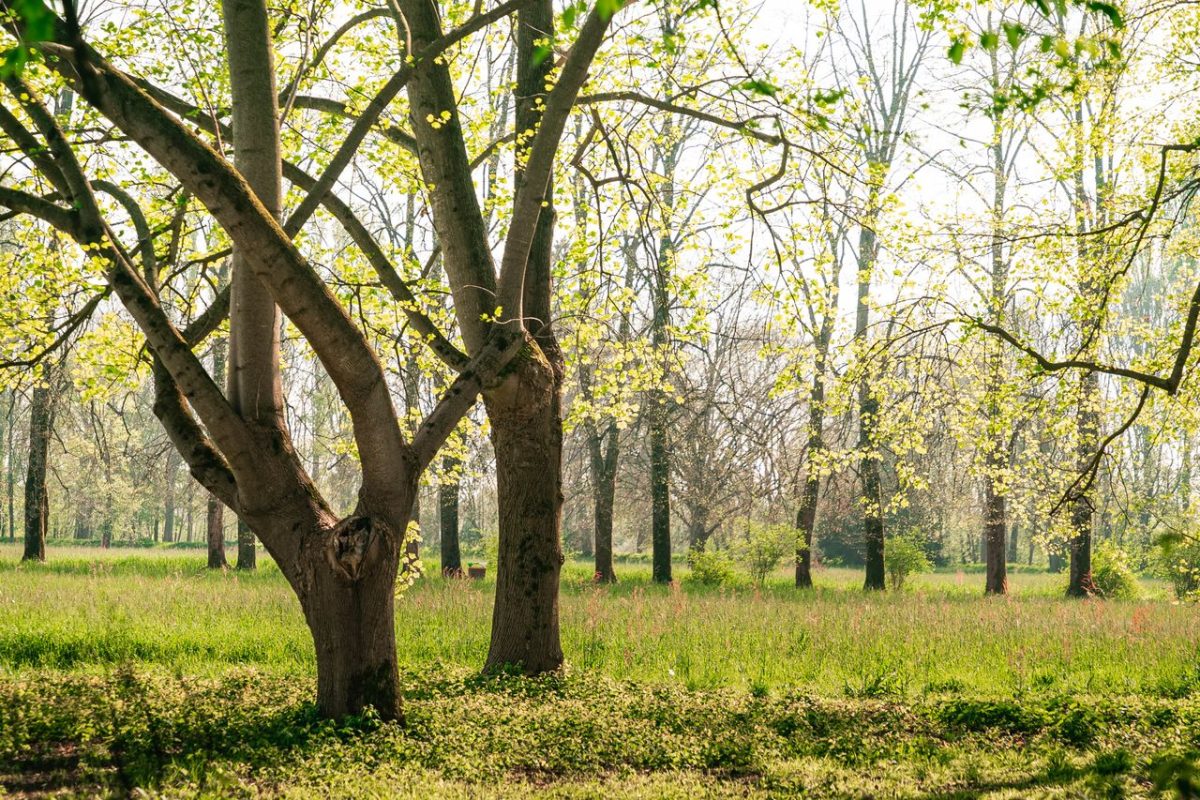
There’s a big old maple in the backyard. It’s been there longer than the house, maybe longer than the street. It shades the patio every summer, holds the tire swing, and turns brilliant orange every fall. At a glance, it looks as healthy and steady as ever.
But look a little closer, and things get interesting. A few branches near the top didn’t leaf out this spring. There’s a strange patch of peeling bark near the base. A long crack runs along one of the big limbs over the roof. None of it screams emergency, yet something feels off.
Trees don’t complain out loud. They whisper through subtle changes that are easy to miss. Knowing how to read those signals, and when to call a tree trimming and removal service Lafayette CO homeowners rely on, can help protect both the tree and everything beneath it.
How Trees Communicate Stress Without Making a Sound
Leaves are often the first messengers. Unusual yellowing, browning at the edges, early fall color, or leaves that are smaller than normal can all point to stress. Sometimes the cause is drought or heat, and sometimes it’s something deeper going on.
Dieback is another clue. When branch tips or whole sections of the canopy stop producing leaves, the tree may be struggling. Sparse foliage, where you can see more sky through the crown than you used to, can signal declining health too.
Bark changes deserve attention as well. Cracks, cankers, oozing sap, holes from insects, or patches of bark falling away can all hint at problems. Mushrooms or fungal growth near the base can be a warning sign of internal decay. Trees are surprisingly expressive if you know where to look.
The Hidden Structural Problems That Can Make Trees Dangerous
Cracked limbs are an obvious concern, especially when they hang over homes, driveways, or play areas. A crack can weaken a branch enough that a strong wind or heavy snow brings it down without warning.
Weak branch unions are trickier to spot. When two large stems grow tightly together in a narrow V shape, bark can get trapped between them, weakening the connection. These unions can split under stress, sometimes sending a huge portion of the tree to the ground.
Decay and root problems can hide out of sight. Rot inside the trunk or major limbs, damaged roots from construction, or soil issues can compromise stability. A tree can look full and green while losing strength from within. Only a professional assessment can determine the actual level of risk.
Why Pruning Is More Complicated Than Cutting Off Branches
Pruning sounds simple. Grab a saw, remove a few branches, and call it a day. But every cut changes how a tree grows, how it distributes weight, and how it responds to wind and weather. Done poorly, pruning can create more problems than it solves.
Trees don’t heal wounds the way people do. Instead, they seal off damaged areas to limit decay. Proper cuts made in the right place help that process work. Bad cuts, like leaving stubs or cutting flush against the trunk, can invite decay and weaken the tree over time.
Structure and long-term health are always part of the equation. Removing too much of the canopy at once can stress a tree and trigger weak, fast-growing sprouts. Good pruning considers balance, clearance, and the tree’s future, not just how it looks this afternoon.
When a Tree Can Be Saved and When Removal May Be Necessary
Many trees with problems can be saved. Pruning out dead or damaged limbs, improving soil and watering, or treating certain pests and diseases may help a struggling tree recover. Sometimes, a little attention goes a long way.
Other situations are harder. Extensive decay, serious structural defects, or advanced disease may make a tree unsafe. Location matters too. A risky tree leaning over a house, power lines, or a busy sidewalk carries different consequences than one standing in an open field.
Property conflicts can also come into play, like roots damaging foundations or branches crowding structures. Deciding whether to save or remove a tree is a big call, especially for a mature tree that took decades to grow. A professional evaluation helps weigh safety, health, and value fairly.
Conclusion
Trees rarely fail without warning. Discolored leaves, dieback, bark changes, cracks, and weak unions are all ways a tree can signal that something’s wrong. Paying attention to those signals gives you a chance to act early.
Proper pruning supports healthy growth and good structure, while careless cuts can do lasting harm. When problems become serious, a professional assessment helps determine whether a tree can be saved or whether removal is the safer choice.
Healthy trees deserve attention before something goes wrong. With thoughtful maintenance and informed decisions, you can protect beautiful, valuable trees for years while keeping your home and family safe beneath their branches.