Walking Your Dog: How to Do it Right and Why it’s So Important
Most people welcome dogs in their family only to keep them confined in a small yard, or worse, chained after a couple of months or so. Don’t worry, this is a non-judgmental fact. The truth is that circumstances change and even the most dog-loving person in the world can be so tied up with their own lives to pay the same amount of time and attention to their dog/dogs. Let’s face it, sometimes it’s just that way for a while, no matter how hard you want to or you try to devote as much affection to your furry partner – it just won’t work. Trust me, I know, I’ve been there. If in all these situations you still love for your dog, you are guilt-stricken about it and find yourself wanting to make it work then you are still in a good position – because you can make it happen!
In these busy times, it’s important to stick to the basics. Proper feeding, work out a schedule that’s easy to keep. Consistent grooming, regular dog baths and nail care. Along with all this, take a walk with your furry friend regularly, when you can, here’s why:
A healthy body and a lasting bond!
Dogs need exercise the same way we do. They need physical activity to strengthen their cardiovascular fitness along with their bones and muscles. While nutrition supplies the building blocks for their growth and maintenance, it’s the physical activity that ignites the process. And while your dog is enjoying all these health benefits, you will also benefit from lower blood pressure, stronger body, and less stress. Moreover, a regular walk gives you and your dog a good time to bond and just enjoy each other’s company.
Dog walking reduces the risk of obesity for your dog which is associated with a number of medical complaints that include osteoarthritis, cardiovascular disease, liver disease and insulin resistance. Moping around the corner and snacking on all that dog food may cause your dog to be overweight. This activity helps keep their digestive tract moving and is a great relief for constipation, not to mention that all these strides help keep their joints lubricated and mobile which reduces early onset of mobility issues and bone problems.
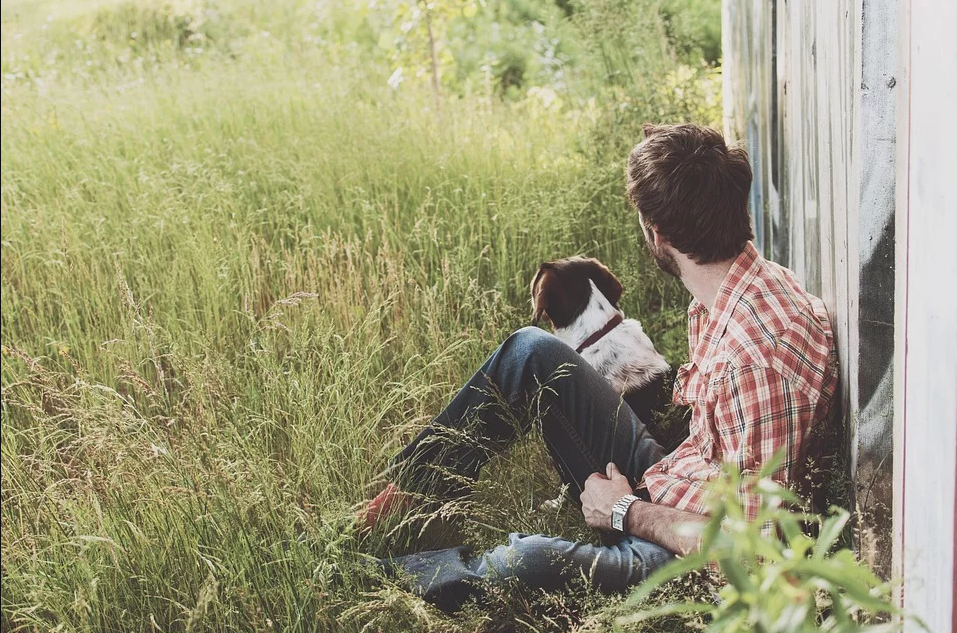
Walking also gives your dog a chance to enjoy the outside world. Much like us, dogs are social creatures that need occasional exposure to other dogs, otherwise they will be aggressive towards them and very likely to your guests. Allowing your dog some time to exercise and all the while be stimulated ensures that your dog remains mentally, physically, and socially healthy which is a great way to keep them from being bored and eventually being destructive. Bored and pent-up with energy, dogs tend to be creative and that’s when you see scratches on your furniture, chewed shoes and other items, a lot of barking, and practically every little way a dog can get your attention. Walking your dog helps keep their behavior in check by keeping them mentally stimulated and physically active.
Now, since you probably have very little time to spare, it’s important to determine your dog’s walking needs and factor in your own cardio regimen. You’ll want to maximize every chance so you need to do it right here’s a few things you’ll want to avoid and why:
-
Doing the same thing over and over
While it’s true that there’s always something new everyday, taking the same route and stopping at the same trees tend to be predictable after some time. Depending on what do you keep, this may become boring and cannot stimulate your dog’s interest enough. According to Claire Bolger at maevworld.com, boredom is the harbinger of bad unwanted behavior. This is true for dog walking as well. You need to mix it up a little to allow for new challenges and obstacles. Doing so also increases the chances of socializing your furry walker with more dogs and people. I understand this is a bit tricky when you live in the city so its best to check out this site, that features dog walkers, their dogs, and contains valuable insights on how people keep dog walking fun and challenging. You can get new ideas if your walking routine is running stale by following their with, ‘Mornings Around Here’ series.
2. Obsessing on what you want
While dog walks are often considered to be a training activity, it doesn’t always have to be like that. Obsessing over whether your dog is pulling on the leash, walking far ahead of you, sniffing every inch of your 2 mile hike, or is too slow is a bad way to walk your dog. First and foremost, getting worked up over this will likely make you dread going out for a walk and get you even more stressed. Dog walking is an adventure activity, a time for exploration and relationship building.
You definitely have to keep your dog trained but don’t obsess about it and be a totalitarian. Just like you, your dog has its own wishes, mood, and interests. It’s frustrating when you just want to take a quick peek but your friend keeps on yanking your arm the other way, isn’t it? Your dog wants to explore the outside world after being cooped up for hours. It wants to find out what is happening and who’s around the corner. It’s nose is 10,000 times stronger than ours so imagine how overwhelming the urge is for your dog to smell and be curious about the world around. The key here is to allow your dog some room or time to look around. After a while it will be ready to join you for a sprint or hike. Over time this becomes a habit and it will be easier for both of you. Relax, and have fun.
3. Walking too far too quickly, too near and slowly
Find out your dog’s walking requirements and factor in your route before you head out. Too often, pet owners fail to consider their pet’s natural endurance and stamina, and their own physical well being. Just like us, if your dog has been stuck at home eating canned foods for a while, it is likely to be unfit. Ease your way to walking by taking a balanced pace then judge whether or not your dog is already tired and will struggle making your way back. Do this for a couple of days until you are confident that your dog has built up stamina and can endure longer more strenuous routes. You can increase the activity periodically to build up endurance. After a while, your dog will surely be back on its feet and last longer than you can. Remember that your dog doesn’t have shoes and will be walking hard pavement, this adds to the burden of it’s joints and muscles so try to judge the terrain before embarking on your walk.
Some of us may be struggling and cannot cannot care for their dog as they used to. It loves you, remember that. You are not alone in this, think about it.