
Masks in Mississippi: Guidance and Challenges For COVID-19 Protection
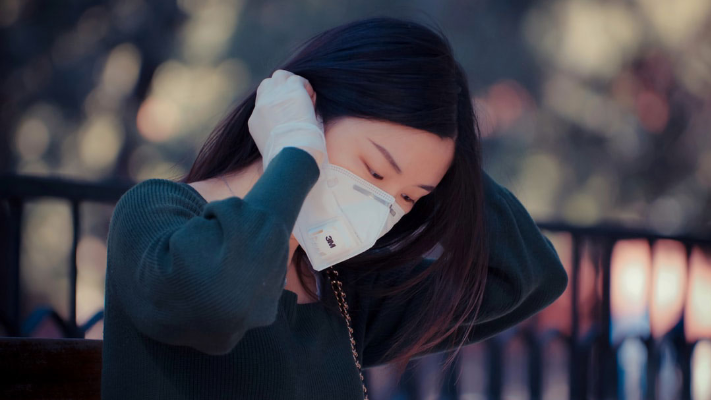 Back when the first cases of the novel coronavirus were starting to appear in the United States, the World Health Organization and the Centers For Disease Control and Prevention made statements that suggested masks were not required (or even recommended) for healthy individuals. However, publicly issued directives have changed significantly since then; now, there are statewide mandates for everyone to wear a mask in public spaces, particularly when social distancing measures cannot be followed.
In Mississippi, health officials are now asking all residents to wear face coverings when going out in public to stop the spread of COVID-19. Specifically, the state Department of Health has asked all Mississippians to “wear locally produced (non-medical grade) or homemade cloth masks when leaving the house to perform essential functions” like getting groceries or medications. Let’s take a closer look at why this step is being taken and how you can do your part to flatten the curve.
Masks: The What and the Why
The recommendations surrounding face masks have been confusing, to say the least. Initially, experts indicated that masks were only necessary for sick individuals. However, we now know that roughly 25% of people who contract the novel coronavirus are thought to be asymptomatic. Moreover, symptoms of COVID-19 may not develop until anywhere from four to 14 days after infection. In other words, people could easily be spreading the virus without realizing it — and if they aren’t wearing masks, the chance of that occurring only stands to increase. Although 27% of U.S. patients visited urgent care centers between 2014 and 2016, stopping the spread of the virus is a necessary step in ensuring healthcare facilities don’t become overwhelmed. And of course, it can save millions of lives.
Another source of confusion is the wealth of conflicting information pertaining to mask materials and relative effectiveness. Although N95 masks block 95% of particles, this type of medical equipment should be used only by healthcare professionals. There are also surgical masks, which filter anywhere from 60% to 80% of particles, that are being used by the general public — but again, it’s really best to allow these to be used by medical staff or individuals who have a higher risk of contraction or complications related to COVID-19.
Although polyethylene is the most common plastic around, with 80 million tons produced annually, most of us will be wearing masks made out of cloth. Because cloth masks can be designed in many different ways, they do range in effectiveness. Ideally, they should fit snugly, made of tightly woven cloth, and be double-layered. Masks made with elastic earloops are generally the most secure. Other kinds of face coverings, like bandanas or scarves, provide less protection. However, you can add household items to the design to provide additional protection, such as coffee filters, vacuum bags, and even feminine hygiene products. If you don’t possess sewing skills, there are no-sew mask patterns available and plenty of independent makers who are stocking their internet storefronts with fabric masks.
Still, no matter what kind of mask you use, you shouldn’t make the mistake of believing you’re invincible. These masks will not completely protect you from infection, so it’s essential that all other health and safety measures — like social distancing and refraining from making unnecessary trips outside the home — be followed. If you use a cloth mask, you should wash it in soapy water and either hung up to dry or put through the dryer on low heat. If you happen to be using medical masks, these should remain untouched for a week after being used to prolong their effectiveness and prevent contamination.
Challenges For Mask-Wearers
It’s not just a challenge to find a mask. Figuring out how to go about your daily activities while wearing one can be a real struggle for many Americans.
For one thing, mask-wearing makes it nearly impossible for members of the deaf community to communicate with those who are hearing or who rely on lip-reading. Since approximately 15% of adults aged 18 and over report having some trouble hearing, this issue could impact millions of Americans.
A company called Safe’N’Clear produces surgical masks with see-through windows that could address this problem, but their products have long-since been sold out and are on backorder until mid-May. One student at Eastern Kentucky University took matters into her own hands and went to work creating masks for those in the deaf and hard-of-hearing communities. After launching a wildly successful GoFundMe campaign, organizers have disabled the ability to make additional donations. And while student Ashley Lawrence maintains that she’s committed to distributing her masks to anyone who’s in need, she’s admitted she’s struggling to keep up with demand. With any luck, others may able to contribute to the cause and ensure those who rely on facial communication are not left out of the conversation.
Americans with vision issues may also struggle when it comes time to wear a mask in public, though perhaps not to the same degree. Those who wear eyeglasses have found it difficult to wear masks without having their lenses fog up. To combat this problem, experts have suggested washing lenses with soapy water immediately before wearing them. You can also place a tissue on the bridge of your nose, underneath your glasses, to prevent fogging.
Specific Guidance For Mississippi Residents
Mississippi is doing its part to ensure that residents are able to follow state recommendations for mask-wearing in public. Earlier this month, one police department warned the public to watch out for a door-to-door mask scam; the purpose of the scam was not immediately clear, but other residents have proven that kindness for others in need still abounds. One area nail salon immediately switched over to mask-making to keep workers employed and residents safe, while the women who belong to Sew Missions (part of the Ridgecrest Baptist Church in Madison) got right to work creating masks for healthcare providers. Local organizations, including Cabela’s and Bass Pro Shops, also teamed up with non-profit Convoy of Hope to donate 1 million masks to healthcare workers. The Mississippi Department of Health will receive 4,000 of those masks for local distribution.
Although these times are uncertain and scary, Mississippi residents can protect their neighbors and loved ones by wearing masks whenever they go outside in public. And while you won’t be able to fight off the virus with a piece of cloth, you can at least know you’re taking that extra step to stay safe.




I am upset by the number of people at Walmart shopping without wearing masks. I made cloth masks and added a layer of a hepa vacuum bag. I’m 68 years old and a survivor of a serious heart infection and had severe asthma, resolved with allergy shots. I wrote 2 different letters to my fellow church goers. We are a small congrats on and there a few families who refuse to wear face masks. We are currently meeting on a porch with social distancing but because of these families I feel it would be too dangerous for me to attend. Am I over reacting?
Ruth, with your conditions and age, you need to self isolate. You should not be going to Wal-Mart or Church.