Training for Nurses – How to Know Which One is for You
Nursing is a fundamental profession in the healthcare industry. Nurses play a vital role in continuous care for the sick and injured. As a profession, nursing was developed by a wealthy woman named Florence Nightingale, who believed that to be a nurse, you should seek medical education to provide better care for the patients. It’s not enough to just be a certified nurse, though; you also have to be hardworking and passionate. You should also develop some crucial nurse skills such as communication and attention to details. There are different nursing specialties that you can choose from, and this brief guide will help you know which one is right for you.

Registered Nurse
Registered nurses are the ones responsible for providing care for patients in hospitals, aged care, and other healthcare facilities, as well as camps, schools, and correctional facilities. A registered nurse’s job is to coordinate patient care alongside other healthcare professionals, monitor patients, administer medications, and educate patients on how to take care of themselves.
There is a set of skills every registered nurse should have. First, you need to be an active listener who listens to their patients attentively. Second, you need to be socially intelligent so you can decipher the body language of patients and understand their needs. Having good coordination skills is also crucial because you will need to help several patients and work with different doctors.
Time management is another key skill, as nurses often juggle multiple patients and responsibilities throughout their shifts. To succeed in this career, continuous learning is necessary, so be sure to master your NCLEX PN exam and stay updated on the latest medical advancements. While it may seem overwhelming at times, developing strong organizational habits and prioritization techniques can help nurses manage their workload efficiently and provide the best possible care for their patients.
Midwife
Midwives are some of the oldest types of nurses, and they have existed for as long as babies were being born. Today, as medical knowledge developed, it has become a necessity for midwives to be medically trained. In the early 20th century, midwives were required to have a license, which is when it became an official profession.
A midwife’s main responsibility is to advise and care for women throughout their pregnancies, and guide them through labor and childbirth. They can also provide postnatal care for new mothers and babies. A midwife’s services aren’t exclusive to hospitals or clinics, they can also work on houses. Additionally, you might need to hold seminars to educate expecting parents about topics concerning child care and reproductive health. You must be attentive because you might need to identify abnormal pregnancies and refer them to a specialized healthcare provider.
Medical Technicians
Medical technicians are the most challenging among the nursing professions. As they are responsible for handling anesthesia, preparing the operating room, and handling medical testing equipment. They also assist with filing prescription laboratory testing and helping health professionals.
Medical technicians have to deal with specialized equipment to be able to diagnose and observe disorders in the kidneys or the heart. That means they have to take OR protocol courses to ensure patients’ safety. As a medical technician, you’ll also be required to read tests and you will need to understand the normal vital signs for the average healthy adult to assess patients accurately. Medical technicians maintain life support machines and handle the intricate and delicate tools in the operating room.
Med-Surgical Nurse
Med-surgical nurses are nurses who specialize in caring for patients before and after surgery. They must be able to work effectively with technology to better monitor a patient’s vitals, record and interpret electronic displays, and report any concerns regarding the patients to ensure a successful recovery. Being a med-surgical nurse also requires great time management and organizational skills because you will be caring for multiple patients at a time.
Dental Nurse
Dental nurses are a little bit different than other nurses in the healthcare industry, as they deal with a slightly different medical field. Dental care professionals have different responsibilities, as they deal with oral health rather than general health. Dental nurses prepare patients for their dental examinations and assist dental practitioners, therapists, and hygienists in delivering treatments for patients.
Your duties will also include preparing and handing out the tools and medications for the dental practitioner. Disinfecting and preventing cross infections from dental equipment, performing regular maintenance on dental apparatus, and processing x rays are also among a dental nurse’s duties.
Nursing is a very promising career and an honorable profession that offers various opportunities for growth. The vital role nurses play in the healthcare industry is now clearer than ever in light of the COVID-19 outbreak.
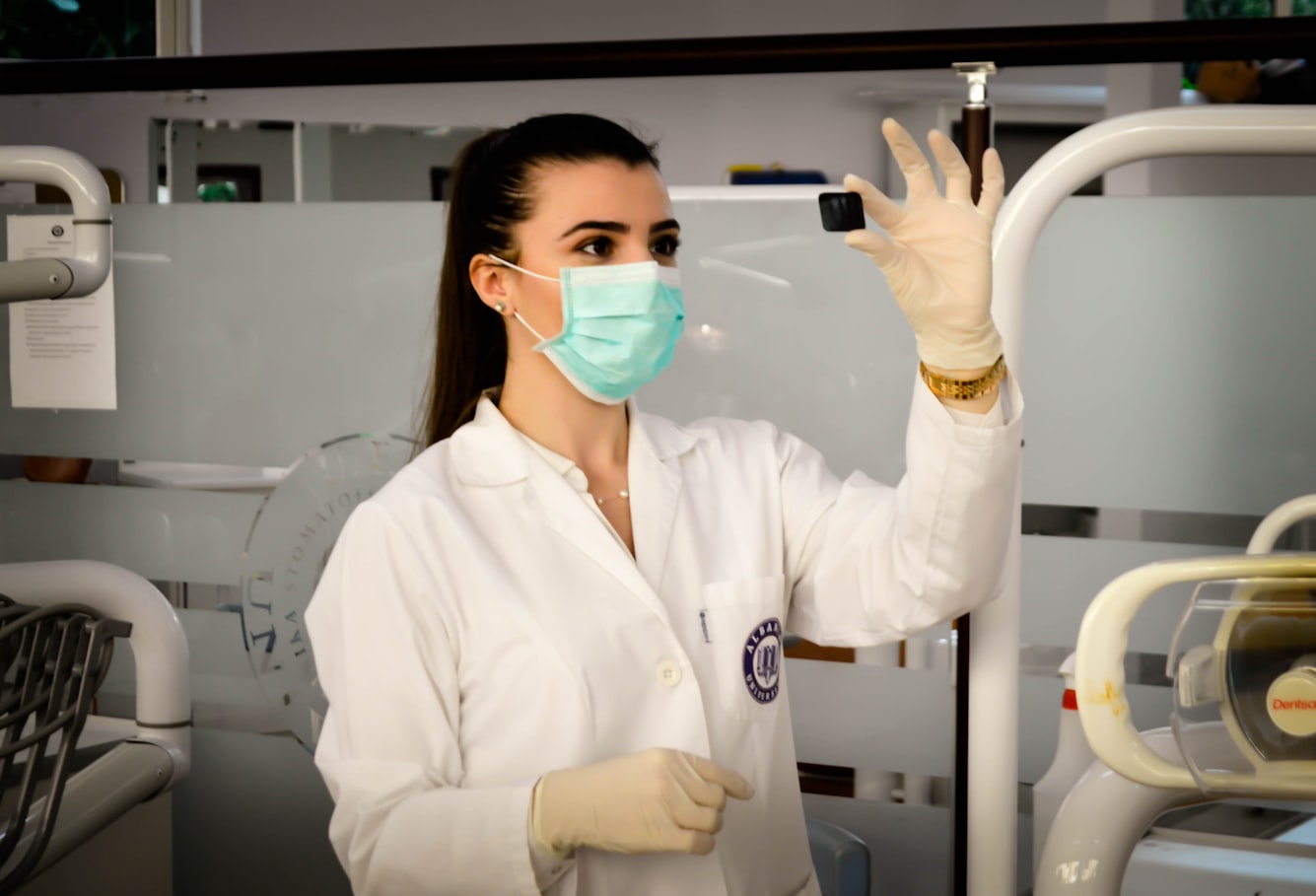
Nurses are truly the backbone of the healthcare industry; they work tirelessly hand in hand with other healthcare professionals to provide the best possible care for patients. Their 24/7 presence and undying dedication have transformed and saved many lives before and during the pandemic. Hopefully, this guide can assist you in deciding which nursing specialty is the right one for you.