What You Need to Know About Fentanyl
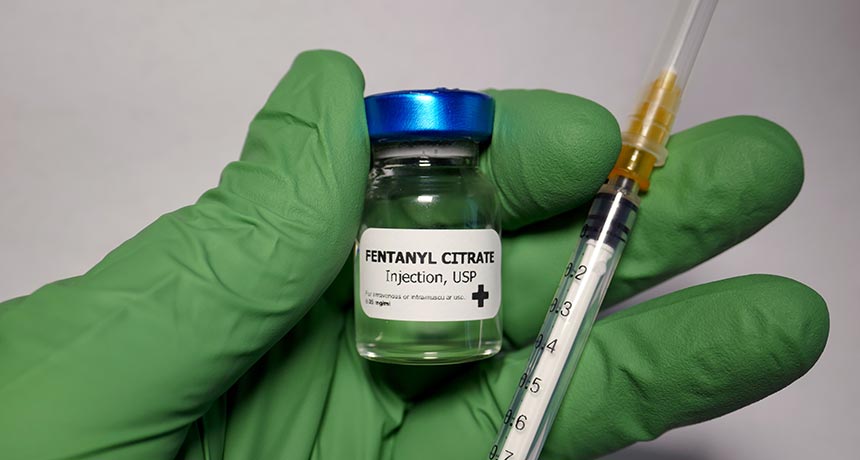
Between 2014 to 2015, deaths from fentanyl and synthetic opioids rose by over 72% in one year alone. According to a blog posted on MedicalNewsToday, fentanyl is 100 times more potent than morphine. Fentanyl is the most potent opioid pain reliever used in medical treatment. Although fentanyl is safe when used and monitored in a medical setting, it carries a colossal abuse potential. Fentanyl analogs can be manufactured and blended with or substituted for heroin. Because fentanyl is highly potent, accidental overdoses or deaths are on the rise. Today, health officials are rightly concerned by a new wave of an opioid epidemic. As a parent, it’s in your best interests to keep your child safe and alive.
To do so, here are some critical things you need to understand about fentanyl.
1. First: What is Fentanyl?
As mentioned above, fentanyl is a synthetic opioid. Fentanyl is 50 times more potent than heroin. It’s responsible for a recent increase in overdose deaths in some parts of the country. Also, fentanyl has legitimate medical uses, and you can easily perform a fentanyl test. Health practitioners prescribe fentanyl for cancer patients with tolerance to different narcotics. It comes in different forms, such as tablets, nasal spray, lozenges, and skin patches. Because of the risk of addiction or abuse, there are strict restrictions on the use of fentanyl.
2. Fentanyl is Cheap to Produce
The low cost of fentanyl production has increased its presence as an illegal street drug. Most drug dealers use it to increase their bottom line. Health experts from the National Drug Control Policy suggest that fentanyl is being pressed into pills that resemble Xanax and OxyContin. It’s also being cut into heroin and different street drugs. Your loved one buying illicit drugs may think they understand what they’re getting. However, there’s a real risk of it containing fentanyl, which is hazardous to the health.
3. It’s hard to tell if a Product is laced with Fentanyl
This is what makes the consumption of illicit drugs dangerous. Some people claim they can tell the difference between a product that has been laced with fentanyl and that which hasn’t. However, overdose statistics show otherwise. There are harm reduction programs that offer test strips. These help to determine whether heroin has been cut with fentanyl. Even with such knowledge, it may be of less help to someone who has spent their last dollar to get high.
4. Fentanyl Abuse and Heroin
The abuse of fentanyl appeared in the early ’70s. Over time, it has increased to become a significant concern. In most cases, people obtain fentanyl by diverting it from authentic medical supplies. It’s also manufactured in illegal laboratories. Even dumped fentanyl patches can still contain large amounts of the drug. Also, fentanyl analogs procured from illegal laboratories may be higher than street heroin. This tends to produce more respiratory depression. Because of this, it makes it even more dangerous to users than heroin. If you are seeing yourself being dependent on opioids, it’s time to consider rehab programs from Mallard Lake Detox.
5. Side Effects
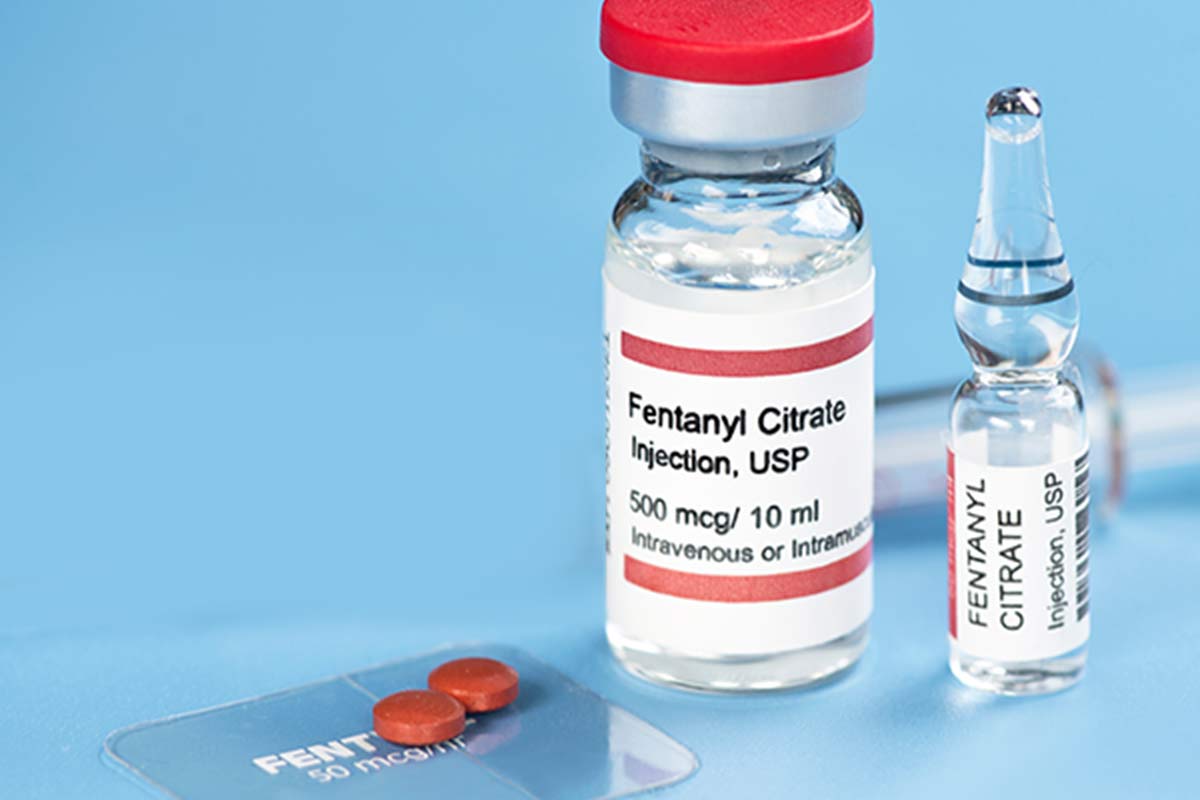
Every drug has a bad and a good side, and fentanyl is not different. Older patients are more likely to experience the side effects of fentanyl. However, this is different from younger individuals. The side effects of fentanyl vary, especially respiratory depressants. Some common side effects of fentanyl include confusion, weakness, nausea, sweating, flushing, constipation, poor concentration, and stiff muscles. There are also adverse effects of transdermal fentanyl patches; they include redness, itching, rash, and swelling. Also, there’s the risk of dependency and addiction with increased fentanyl use.
6. Treatment Addiction for Fentanyl
A fentanyl addiction falls under opioid use disorder. This means treatment typically begins with a medically supervised fentanyl detox to manage withdrawal symptoms safely, followed by the use of FDA-approved medications such as naltrexone, methadone, or buprenorphine. These should be prescribed and administered by a licensed healthcare professional. “There are multiple medical interventions that work. Any person with an opioid use disorder needs to receive such medical care and attention. Also, the treatment should be covered by insurance,” explains Linda Ritcher, Ph.D., Vice President of Prevention Research and Analysis for the National Center on Substance and Addiction Abuse. In efforts to combat the dangers of substances like fentanyl, platforms like OVAX are working to promote awareness and provide support for affected communities.
7. Fentanyl Overdose
Some people use fentanyl as a substitute for heroin. However, this is a dangerous substitute because of its marked potency as users cannot regulate doses. This results in frequent dangerous overdoses. Also, pure fentanyl powder is difficult to dilute efficiently. In most cases, this results in potentially making a dangerous mixture. This can be hazardous even for people with a high opioid tolerance.
While fentanyl is ideal for patients who suffer acute or chronic pain, it can cause harm or death if misused. Some patients and healthcare practitioners may not yet understand the dangers of this narcotic. Every family, society, and government official needs to be aware of the lethal implications of improper fentanyl use. Save a life today by sharing this with someone you care about.
Read more: 6 Things To Know Before Using Home Drug Tests
Read more: Recovering From Long-Term Drug Use? Here’s How To Do It Painlessly