How to Choose Between an Electric and a Gas Heating System
During the cold winter, there is nothing that beats a warm and cozy home. Nowadays, there are many ways to keep your home toasty in frigid weather but this comes at a price as you will not only need to pay for your heating system and its installation as well as your monthly bills. In order to find the right heating system for your home, you will need to decide between electric and gas. You will have to consider various factors in this decision such as the correct size unit, how hard it is to install, and how energy efficient the system is.
To help you create the coziest home at the cheapest possible cost here is how to choose between electric and gas heating systems.
1. Learn How the Systems Operate
Both gas and electric furnaces use a forced-air system, which is usually known as the thermostat. It works based on a heat seat point – when the temperature in your home or specific room falls below a certain point, a signal will be sent to the furnace unit which will then switch one to provide heat. The difference between electric and gas heating systems lies in how they react to this signal. In the case of a gas unit, the pilot light will ignite the main burner of the heat exchanger, which will then draw heat from the main burner and warm the air that then circulates the house. With an electric furnace, there will be an electric ignition that receives the signal and activates the electric heating system inside the furnace.
2. Prioritize Heat and Energy Efficiency
You will need to choose the right size of heating or HVAC system. This will depend on your home’s climate zone and its areas. The right choice of gas and the electric unit will not only help to keep your home warm but will also save money on your monthly utility bills. While gas heating systems are cheaper to install initially, electric furnaces are more efficient in terms of long-term energy uses. Electric heaters have an annual fuel utilization efficiency of as high as 100%, compared to the 55-97% efficiency of gas heaters. There are various types of heating systems available such as split systems, and air conditioning systems. You can visit this website to look at some of the electric options on the market so that you can get a better idea of what is available and how much they cost. In warmer regions, an electric furnace will likely lower your initial investment and reduce your maintenance cost
3. Consider Safety Issues and the Ease of Installation
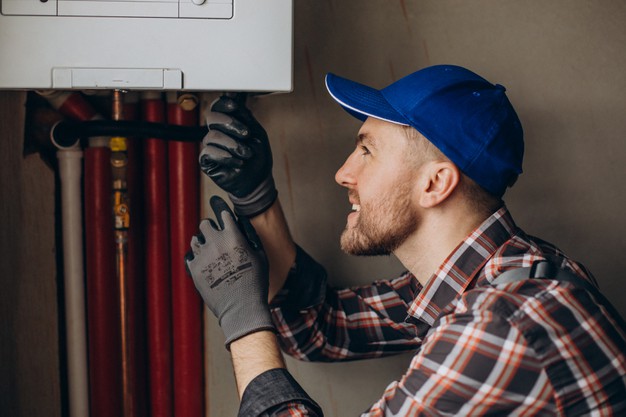
While there are many tips and instructions online for people who want to install their heating systems themselves, it is an incredibly complicated task and should be left to the experts. As well as being difficult, DIY installation can also be potentially very dangerous so it is better to avoid the risk. With electric heating systems, it is the high voltages that are dangerous. You will need professional knowledge and skills to install the units and ensure that they work properly and will not cause any electric fires or other issues. With gas furnaces, the most dangerous thing is dealing with the combustive element, which is usually natural gas. The process requires special tools, equipment, and knowledge that you may not have so it is better to hire a trained technician or installation expert.
4. Make Improvements to your Current Heating System
The main factor that decides efficiency is the type of unit chosen and the amount of heat lost. The right choice of gas or electric units can help to convert more of the energy into heat but you may also be able to make improvements to your current heating system. You can increase the efficiency of a gas furnace by alternating the traditional pilot light with an intermittent, direct spark or hot surface ignition. This increased cost will most likely be offset by lower fuel costs in harsh winter regions. As the heat produced by gas is a lot hotter than electric coils, a gas furnace will heat your home faster as a result.

For a long time, gas was considered the cheapest heating option. But today, the industry has involved electric options for a smarter, more sustainable, and economical outcome. Each of them has its own strengths, so there are a lot more factors to consider. It is important to keep in mind that money is not the only cost you have to consider. During a harsh winter, the environmental impact of heating your home should also be a major consideration. It’s important to weigh up the pros and cons in choosing the right heating system for your home.