From Sawmill to Job Site: Mississippi Lumber Rides on Flatbed Trucks
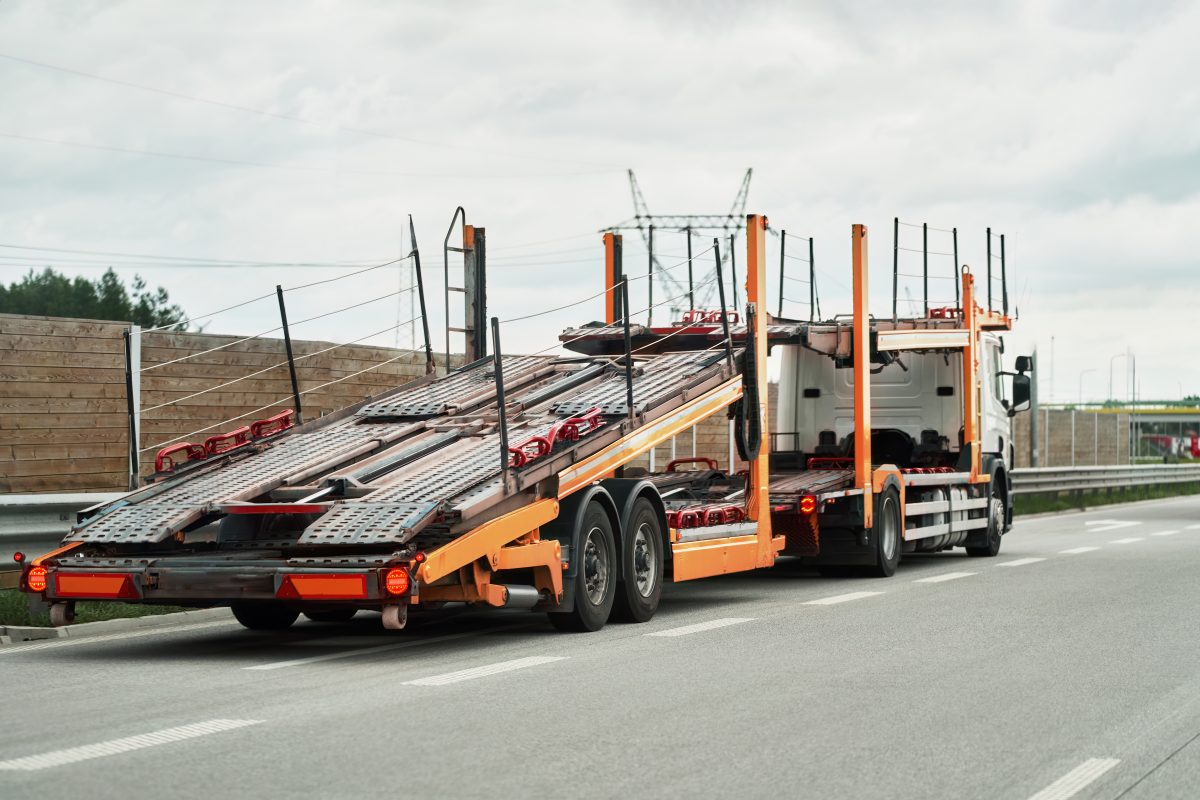
Want a feel for Mississippi’s timber business? Forget the reports for a morning and go stand by a mill yard. A loader scoops up a bundle of two-by-fours like it’s a lunchbox. The driver’s out there throwing chains in ninety-degree heat. By the time most people are thinking about lunch, that load is already halfway to somebody’s job site.
Lumber does not travel well in a box. It is too long, too heavy, and too irregular in shape, which is why a good flatbed truck service handles most of the real work between the mill yard and the job site in Hinds County and the counties around it. From there, a load might head to a treating plant, to a truss builder, or straight onto a slab where a crew is already waiting on it.
Forestry remains one of the state’s economic anchors: Mississippi State University Extension reports that timber was worth about $1.47 billion in 2025, holding its place as Mississippi’s second-largest agricultural commodity, while harvesting and trucking value added rose 7% to $807 million.
Nice numbers. The work behind them is a lot messier, and plenty of it lands on the driver and the dispatcher.
Why the trailer matters
Talk to anybody who loads lumber for a living and you’ll hear it pretty quick: give them an open deck. A forklift can set bundles on from the side or drop them in from above, and nobody’s trying to wrestle 16-foot boards through a pair of van doors. Then it has to be tied down right. Federal securement rules spell out how lumber gets chained or strapped, and a lot of customers want it tarped on top of that, especially kiln-dried stock. A flatbed truck service that runs this lane regularly already knows which mills and which buyers want what.
The handoffs
The mill’s only the first stop. Maybe the bundles go to a treating plant, sit a day, then head back out. Every extra stop is another appointment somebody has to hit. When a truck runs late, the framing crew on the other end stands around, and back at the mill the yard fills up with lumber that should’ve shipped yesterday. Shippers who always go with the cheapest quote figure this out eventually, usually right after a load gets turned away at the gate for missing its window.
Weight limits and routes
One rule gets mixed up a lot. Since 2024, a federal provision has let trucks hauling raw logs, pulpwood, and chips use Mississippi’s interstates at the state’s 88,000-pound limit. That helps on the way into the mill. It doesn’t mention finished lumber, though, so outbound loads generally stick to the regular interstate rules. Off the interstate, posted county bridges and low limits on rural roads can still force a reroute halfway through a run.
A flatbed truck service that knows the back roads around Jackson saves everybody a lot of phone calls.
Still rolling
Pine keeps coming out of the woods in this state, and builders keep buying it. Most mornings there’s a truck pulling out of some mill yard near Jackson with a fresh stack of two-by-fours under the straps, and a crew somewhere waiting on it.
Read more: What Causes Cargo to Fall from Commercial Trucks on the Road
Read more: How Tarping Systems Ensure Safe and Secure Transport
Read more: What’s the Right Freight Option for You? Hot Shots, Flatbeds, Dry Vans, and Brokers