The Origins Of The Indian Traditional Clothing And Why It Is Popular Nowadays
It comes as no surprise that clothing is a very important aspect of tradition and culture. Many countries around the world refuse to let go of their traditional clothing, holding it in the highest regard even after hundreds of years have passed by. In China, Japan, and Korea, the cheongsam, kimono, and hanbok are still worn by women on special occasions. Perhaps Indians are among the few people that wear their traditional clothing much more frequently. Read through our article to find out the origins of Indian traditional clothing and why it is so popular nowadays.
History of Indian Clothing
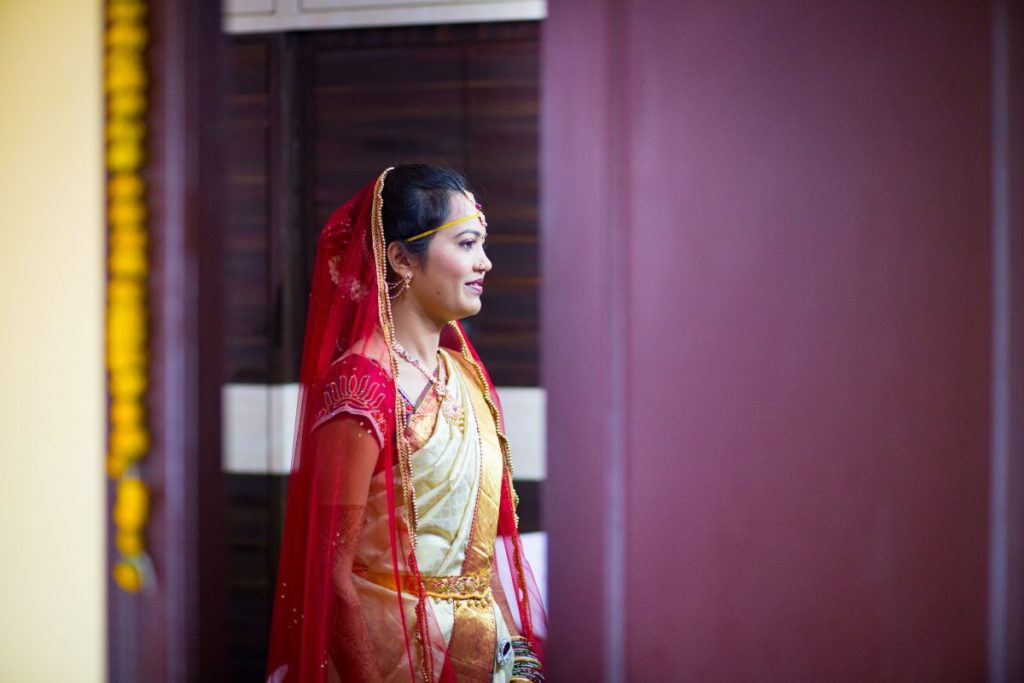
Indian clothing has gone through multiple phases of evolution. You may be surprised to learn that the first cloth decoration activities, such as cotton dyeing and spinning, date back to around 7000 years ago to the civilization of the ancient Indus Valley. The people of this civilization left behind numerous clues that gave insight into the Indian culture, fashion, and customs of the time. This information was deduced from iconic epics, like the Mahabharata, as well as the incredible Ellora caves. One can even say that Indian traditional clothing is just as important a part of the culture as food or religion. From that point in history, the region has then produced endless intricately woven clothing pieces in bright colors and distinct styles for both men and women. Although gender and geography play a huge role in the evolution of Indian garments, their strict caste system was what placed the most influence on traditional wear. The nobles of the society used to dress in adorned, golden pieces and accessories. Their garments were made from Munin alongside other fine threads. The lower classes struggled, yet aimed, to keep up with the refined fashion. As time passed, naturally, the eminence of traditional clothing in India has somewhat diminished. This is due to the external influences that arrived through the Silk Road, Western homogenization, as well as British colonization. However, even today, Indians still wear their traditional clothing proudly.
Why It Is Popular
There are many reasons behind the growing popularity of Indian traditional clothing on a global level. Perhaps the first being the versatility of Indian clothing; it is elegant, formal, sophisticated, and high-end. Some garments are suitable for night-outs, being comfortable, yet extremely chic, while others can be seamlessly walked down the red carpet. The designers at Nihal Fashions explain that they are ideal for a plethora of traditional occasions. They are worn during several celebrations, such as Eid and Diwali, in many parts of Asia. The evolving technology and the growing power of the world of E-commerce have also contributed greatly to the online promotion of traditional wear across the globe. The fact that Indian garments also offer high-quality, intricate designs at a reasonable price is also one of the reasons why they are so popular.
Types of Clothing
The timeless, colorful saree is the most prevalent feminine Indian garment. It is omnipresent at every corner of the subcontinent, although it does vary from region to region. The Mundum Neriyathum is the ancient version of the saree. It was intended to only cover the legs; because of the humidity and hot weather of the region, women used to go topless up until the arrival of Islam in India. The Mundum Neriyathum is still worn today along with a lightweight top. While it looks a bit like a saree, the Salwaar Kameez is a complete costume instead of being just a wrap-around cloth. This is a two-piece outfit, with the Salwaar being a loose-at-the-top and tight-at-the-ankles pants, and the kameez being a finely woven tunic. The Dhoti is one of the masculine Indian garments that is widely prevalent in regional villages. It consists of a sarong that goes around the waist and a long-sleeved shirt. The Nehru jacket was a standard men’s formalwear garment in India during the 40s. It caught the eye of other areas of the world, especially after the Beatles adopted this garment after returning from their holiday in Rishikesh. The Achkan and Sherwani are both outfits that include a garment that looks like a suit-like jacket and either a wraparound sarong or tight-fitting pants. Finally, the lungi is a wraparound cloth that resembles a sarong.
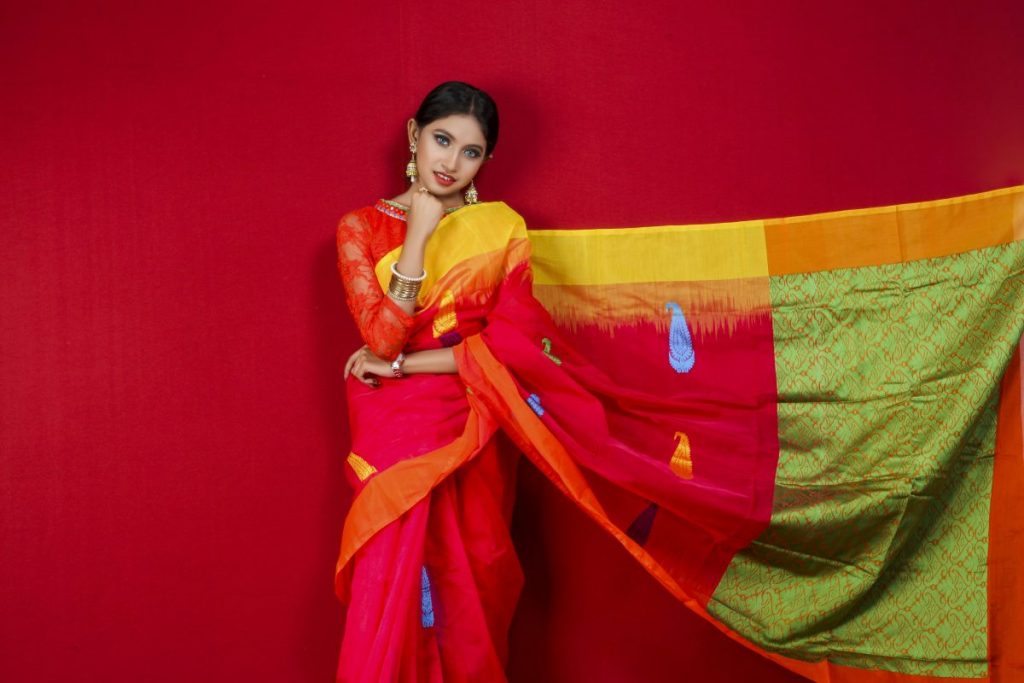
Clothes have always played an important role in cultural identity and expression. Several cultures were able to maintain the relevance of their traditional world in today’s world. Though in India, traditional clothing is still an important part of day-to-day life. Indian traditional clothing resumes thriving in popularity not just in India, but in different parts of the world.