What to Expect During and After a Gastric Bypass
 Carrying a lot of excess body weight can have detrimental effects on your body and can lead to serious health conditions. Obese and overweight individuals are at an increased risk of heart disease, metabolic syndrome, and cancer.
Gastric bypass is a form of bariatric surgery that is offered to individuals who are struggling to lose weight using traditional weight loss methods. Often, bariatric surgery is performed to reduce the risk of life-threatening complications that are associated with being excessively overweight.
You must fulfill specific criteria to be eligible for gastric bypass surgery. If you’ve tried following a regular exercise and diet plan for weight loss and you haven’t seen the results you wanted, your doctor may offer surgery. You must have a body mass index (BMI) of more than 40.
What to Expect During Gastric Bypass Surgery
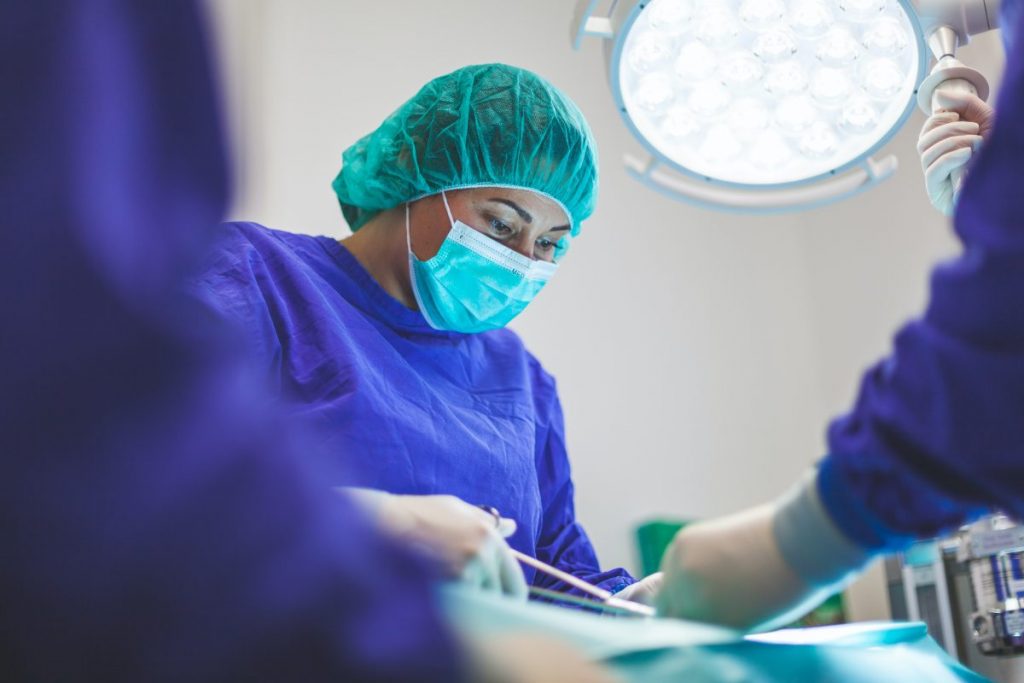
Just before your surgery, you will be given general anesthesia to make you lose consciousness. Depending on the type of gastric bypass surgery you are undergoing, the surgeon will either perform open or laparoscopic (keyhole) surgery.
Most forms of bariatric surgery are performed using a laparoscope, which is a small tube that gets inserted into the abdomen through a very small incision. The laparoscope has a camera attached to the end of it. This camera enables the surgeon to see what they are doing during the procedure without needing to make larger incisions.
Bypass surgery may take several hours, depending on the complexity of your case. You will be asleep for the whole procedure.
What to Expect After Gastric Bypass Surgery
After the gastric bypass has been completed, you will be taken to a hospital ward where you may need to stay for a few days. The doctors and nurses on the ward will closely monitor your vital signs and the incision site.
You will be seen by a dietitian who will run through the types of foods that you can and can’t eat on the gastric bypass diet following your surgery.
They may create a meal plan and dinner menu that consists of pureed foods and clear liquids for a few weeks. After 4-5 weeks, you will be able to re-introduce solid foods into your diet under the supervision of your dietitian.
If you are experiencing horrible pain on the left side after gastric bypass surgery or any other symptoms, you should inform the doctors and nurses immediately. They will be able to check your incision site and ensure that there are no signs of infection or another adverse reaction.
If you are experiencing any major symptoms, doctors may perform scans or take a blood test to assess your condition further.
When you have been discharged from the hospital, you will be asked to return to the clinic for follow-up appointments in the future. During these appointments, doctors will monitor your weight and check for any signs of complications. Your dietitian will also see you regularly to go through your diet plan and make adjustments when necessary.
Read more: New Surgeon Joins JMS Burn & Reconstructive Center at Merit Health Central
Read more: IS A PARTIAL KNEE REPLACEMENT RIGHT FOR YOU?