Traffic Collisions – A Bigger Problem than we Think – Causes and Much More!!
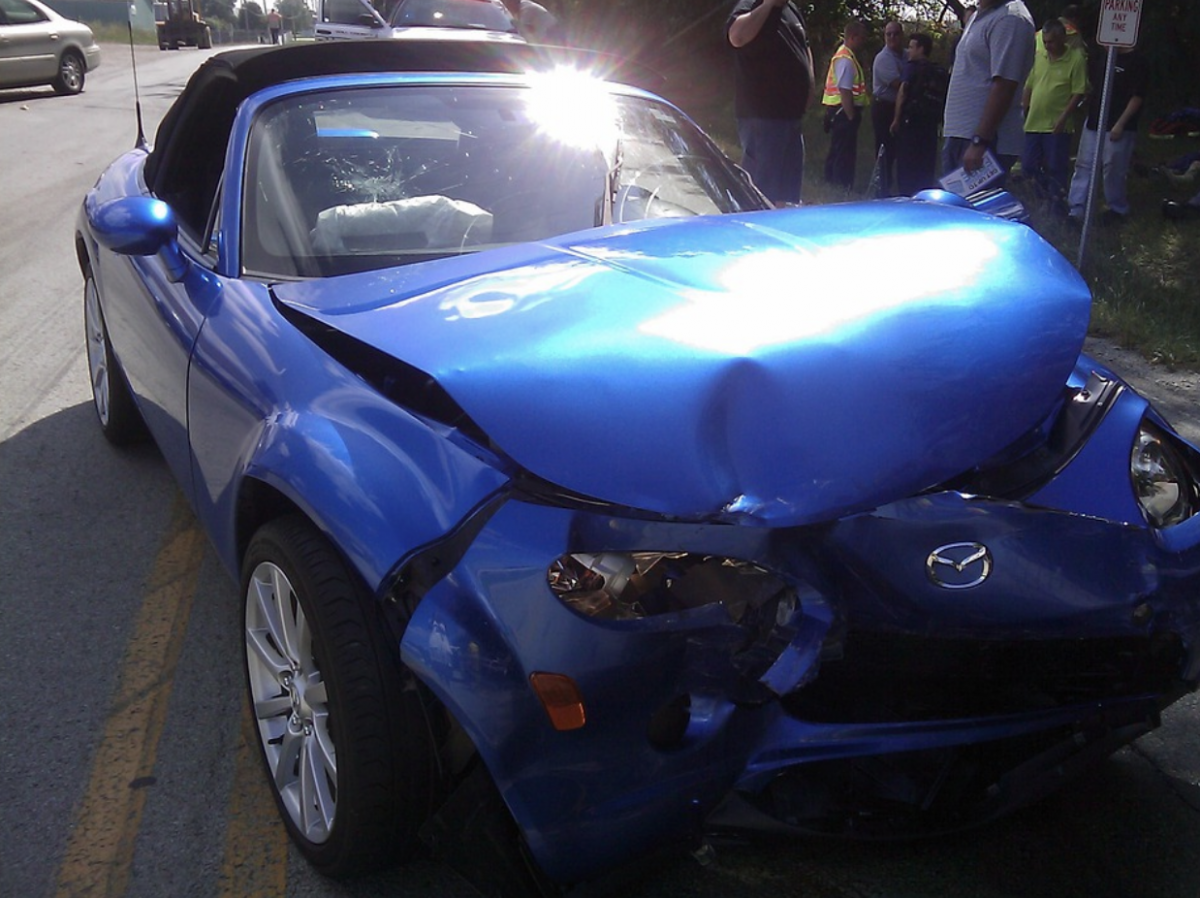
Every year, 1.3 million people lose their lives to traffic collisions. It might be easy for us to skip the channel when we hear different news agencies covering the scenes of traffic collisions, but the amount of stress it brings to those who experience it or witness it firsthand is uncanny.
Without a doubt, we have other problems such as pandemics, global warming, and poverty to stress upon. However, that does not mean that we disregard an issue that millions of people and animals lose their lives to every year.
Traffic Collisions
Before we establish if traffic collisions are a bigger problem than we think or not, we need to grasp all insights on what traffic collisions are in the first place.
Traffic collisions take place when a car or any vehicle hits another vehicle, an individual, a stationary object, an animal, or any property which does not belong to them. Whether what your vehicle has collided with is a living thing or not does not matter in this case.
Causes of Traffic Collisions
Many factors can cause traffic collisions. Some of these factors can be avoided, while others cannot be avoided.
Traffic collision cases have many things in common, and that is exactly how we were able to gather the six main causes for this case. These six major causes have been listed down below.
1. Inattentive Driver
Undoubtedly, the leading factor in auto accidents is inattentive driving. A driver who is distracted is not paying full attention to the road; instead, they may be more focused on a mobile device, other road users, or even a quarter pounder with cheese.
When you’re behind the wheel, getting where you’re going safely is your only responsibility. Many sidetracked drivers have typically experienced drivers who believe they can multitask while driving. Do not allow yourself to become a victim of this attitude.
2. Fast Speed due to Urgency
Even when we are driving in excess of the posted speed limit, we have all witnessed vehicles slam into us on the highway. People frequently exceed the posted speed limit by 10 to 15 miles an hour.
Remember that your reaction time will be slower the quicker you drive. The possibility remains that an accident won’t be avoided whenever you need to avoid one while going 20 mph faster.
In some cases, the urgency of the matter requires you to drive fast. However, your urgency could be the death of someone else. So, would you rather preplan and be punctual or risk the lives of those who are driving with you?
3. Intoxicated Driver
Anyone who consumes alcohol and drives endangers both himself and other road users. Whenever people imbibe, their perceptions and mental processes get sluggish. Their cognitive capabilities and skills are tampered with.
When they drive, their reaction times get relatively imperceptive, and decision-making skills are hampered. If they still choose to drink, they must arrange for a responsible party that they can easily depend on to drive them home.
Famous actors around the globe have been charged for this. Negligence brought as a result of drinking and driving leads to someone losing their life.
4. Rough Driving
Crossing over, cutting off, and tailgating other motorists. Each of these instances of irresponsible driving has the potential to result in a serious accident. If someone is driving in this manner around you, move back and give them room.
Be cautious while you drive and execute your movements because irresponsible drivers are often spotted speeding and weaving around through traffic. You won’t be able to do anything to increase the driver’s safety.
Take precautions and report the motorist. This is often seen in the case of teenagers who drive recklessly and celebrate their freedom. Their immaturity puts their life and that of others around them at a high probability of risk.
5. Unpleasant or Extreme Weather Conditions
Rough weather, whether it be rain or snow, can make driving conditions dangerous. Water makes roads slick, which makes it possible for cars to fall off the road suddenly. If you are caught in a downpour, drive cautiously.
Even if you believe your tires are properly gripping the pavement, there’s a good possibility they aren’t. Don’t take a chance. Whether you have to hit the brakes in snowy or cold weather, the roadways may ice over and cause your car to slide. Driving in unpleasant weather conditions is also not good for your car.
Several cases of truck accidents have been reported as a result of extreme weather conditions. If you are living in the US, in such cases, your go-to move must be to find a truck accident lawyer in Owings Mills, MD.
6. Driving at Night
Many people might not know this, but a lot of individuals are not skilled night drivers. They cannot see properly nor pay enough attention to the objects around them at night.
We often decide to travel at night because it is more peaceful and calmer, but we fail to understand the risks associated with it. There is not a single family in the US who has not lost their loved one or seen their loved one getting injured because they were driving at night.
It is even more dangerous if your speed is fast and you are intoxicated in one way or another. The chance of you experiencing a road traffic collision at night time is twice as much as if you drive during the day.
Types of Traffic Collisions
Who knew that even traffic collisions had been divided into different categories? Each category would have a different cause and a different effect. We have researched the common types of traffic collisions that tend to take place now and then to categorize all of these into different headings. These have been discussed down below.
1. Front Impact
According to the latest statistics, 2,800,000 front impact traffic collisions have been reported since 2019. These are the most common types of traffic collisions. It tends to happen when the vehicles crash into each other head-on. The greatest number of fatalities are reported in the case of front impacts.
2. Rear Impact
These are said to be more dangerous than front impacts sometimes. Statistical data suggests that since 2019 the total number of rear impact traffic collisions has been 1,570,000.
In a rear impact collision, the bumper of a car tends to crash into the rear end of another car. The passengers sitting at the back are in more danger in this case.
3. Impact on either Side
This includes both the left-side impact and the right-side impact. On the whole, around 555,000 right-side collisions have been reported since 2019, and around 608,000 left-side collisions have been reported since 2019.
This tells us that the left side collisions are more common. In this type of traffic collision, another vehicle tends to fit you from either side.
4. Others
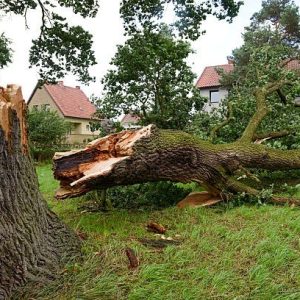
In this case, the collision is not with a car. Rather it is with a stationary object, a tree, an animal, or even with someone who is walking on the road.
The injured can file for property damage in this case which can be quite difficult to avoid for some people. Ever since 2019, only 1000 such cases have been reported in the US.
RELATED: Make Your Car More Comfortable Than Before With These Amazing Tips
Impact of Pandemic on Traffic Collisions
Not everything went down the hill when the pandemic spread all over the globe. Something good out of this was obtained as well. An issue like traffic collisions subsided due to an even bigger issue of the CoronaVirus.
There are different impacts that the pandemic has had on traffic collisions. Some of these helped in curtailing Road Traffic Collisions or RTCs, while others significantly increased the number of RTCs. For your ease, all of these impacts and effects have been listed and discussed down below.
1. Reduced Traffic Congestion
Speed, traffic flow, and traffic density are all impacted by reduced traffic congestion. Road traffic collisions may be reduced by reduced mobility, which may also lessen car congestion.
On the other hand, it will result in more unoccupied lanes, which could result in more speeding. Vehicle mobility was considerably curtailed by more than 50% during the COVID-19 pandemic due to travel restrictions, with reductions of something between 50 and 60 percent in Asia and between 55 and 80 percent in Europe.
Between March and May 2020, the number of people who used to walk, drive and use public transportation dropped exponentially (60 to 80%). One might think that because the traffic congestion was low, the number of road traffic collisions would be fewer as well. However, what we often fail to realize is that other factors can increase the number of road traffic collisions as well. These will be discussed in detail.
2. High Speed of Vehicles
The COVID-19 pandemic has resulted in excessive speed, which is forecasted to grow the prevalence and mortality of RTCs.
This was credited to the sharp decline in vehicular traffic and the empty roads, which encouraged excessive speeding and led to more RTCs despite the low number of vehicles.
Additionally, there was less policing of traffic speed. In Spain, over-speeding climbed by 39%, while it increased by 22% across Estonia, 16% throughout France, and 10% in Denmark. Infractions for exceeding the speed limit rose by 236% in the UK.
During the COVID-19 restrictions, over-speeding rose by 13% to 64% in different American metropolises. Despite the quarantine, there was an increase in traffic deaths in Ireland and the USA due to high speed.
3. Fewer Traffic Lanes
The COVID-19 pandemic saw a surge in the prevalence of empty/open traffic lanes, which was related to the drop in traffic after travel restrictions. Some research has been done on how these vacant traffic lanes affect excessive speed and the accidents that result from them.
According to a study from the National Safety Council of the USA, the increased amount of empty traffic lanes during the quarantine contributed to excessive speeding and an increase in the number of traffic fatalities in numerous states. According to a different study, unoccupied lanes are linked to higher speeds and crashes.
4. Changed Driving Behaviors
For the pandemic to improve road safety, it is crucial to comprehend how drivers behave behind the wheel.
According to research from Greece and Saudi Arabia, the lockdown’s decreased traffic flow led to an increase in speed, abrupt acceleration, abrupt braking, and telephone use. When irrational drivers such as teenagers were stopped from driving due to the pandemic, the accidents from traffic collisions fell by 35%.
Interestingly, despite a minor rise in injuries among mobile phone-using drivers, there was an overall 43 percent decrease in distraction-related road traffic collisions in the USA during the lockdown when the pandemic hit.
It should not come off as a surprise that people were a lot more stressed out during the pandemic; they had to carry their loved ones around for daily checkups or visit a loved one they lost a few minutes ago in the quarantine cell.
Their behavior behind the wheels would be a lot different from how they would have driven their cars had the circumstances been friendlier.
5. Abuse of drugs
Compared to how the COVID-19 pandemic has affected changes in health behavior, the effect of the pandemic on drug- and alcohol-related road accidents has received less research. Increased alcohol use during the pandemic was linked to social and travel constraints, psychosocial problems, stress, and fear of viral exposure.
Washington, USA, saw a 14% increase in alcohol consumption. The COVID-19 epidemic gave people more free time, which is why alcohol and drug use increased. They were working from home, so they did not have restrictions on drinking from 9-5 during that period.
This could result in reckless driving, inebriated driving, and over-the-top driving, which would lower road safety. Excessive drug and alcohol use may contribute to an increase in domestic violence, suicide, and reckless driving.
The frequency of drug and alcohol use was found to be considerably greater overall in critically and fatally wounded RTC patients.
This tells us that the dangers and hazards of traffic collisions were somehow the other not curtailed during the pandemic. The number of road traffic collisions of RTCs increased considerably.
So, from this article, we can conclude that road traffic collision is a bigger problem than we realize. A lot of people have lost their lives or have gotten injured due to the negligence and carelessness of another individual.
No matter which part of the world you belong to, as a human, it is your responsibility to take care of yourself and of others that breathe or exist around you.