Innovative Approaches To Traffic Management: Solutions For Safer And Smarter Cities
Cities globally grapple with escalating challenges as population growth spurs the demand for efficient urban transportation. City streets bear the intense strain of traffic, thus necessitating innovative traffic management strategies.
As part of the solution, traffic control management and planning must be given priority. This approach ensures that road users and pedestrians can coexist without hindering each other’s movements. Further, it is pivotal in addressing various challenges, from reducing congestion to improving safety.
Read on to learn how cities can revolutionize their traffic management strategies for a safer, smarter future.

Unpacking Smart Traffic Control Systems
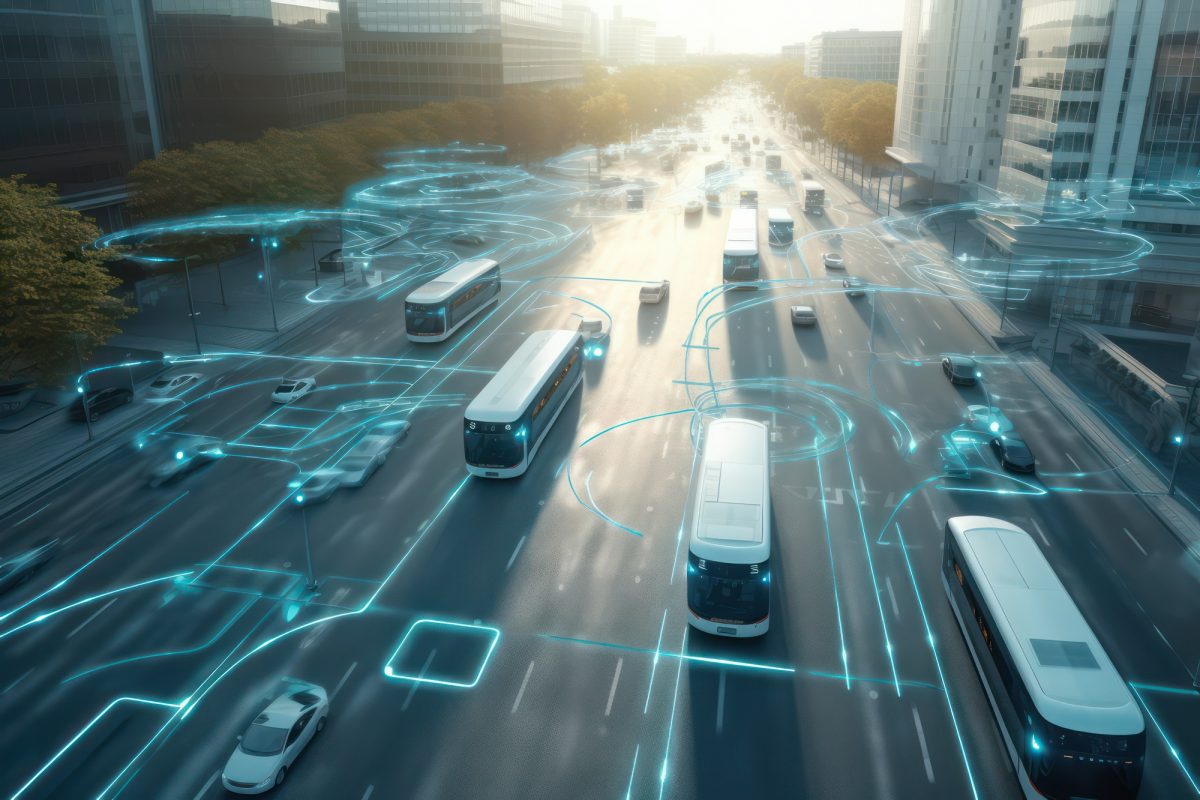
Smart traffic control systems employ advanced technologies like Artificial Intelligence (AI) and the Internet of Things (IoT), offering state-of-the-art solutions to modern traffic problems. These systems dynamically adapt to real-time traffic conditions, fostering smoother and safer traffic flow. Notable examples include:
- Adaptive Traffic Signal Control Systems: These systems adjust signal timings based on current traffic conditions. Imagine navigating rush-hour traffic. In such circumstances, these advanced systems would modify the traffic signals on your route in response to the high volume of vehicles, promoting better traffic flow and reducing congestion.
- Traffic Prediction Systems: Through the application of machine learning, these systems can predict traffic patterns. For instance, if a large event is happening in your city, the system can foresee the increase in traffic it will generate. This foresight allows city planners to make proactive arrangements to manage the potential congestion, keeping traffic moving smoothly.
- Vehicle to Everything (V2X) Communication: This breakthrough technology envisions a future where all roadway elements, including cars, traffic signals, and pedestrians, are interconnected. For instance, your car could ‘communicate’ with the approaching traffic light, providing real-time information about when the light will change. This system optimizes traffic flow, enhances road safety, and promotes fuel efficiency.
Adopting these advanced technologies is critical for contemporary traffic control management, making modern cities smarter and safer for all.
Leveraging Data For Informed Traffic Decisions
Properly utilized data becomes an invaluable tool in traffic control management and planning. It transitions decision-making from being an educated guess into a strategic process. Here’s how:
- Identifying Problem Areas: Harnessing real-time data allows for the precise identification of traffic hotspots within a city. This knowledge enables traffic managers to develop targeted strategies to alleviate congestion, thus improving overall traffic flow.
- Optimizing Public Transportation: Traffic data can inform the optimization of public transportation schedules. For instance, during rush hour, if a particular bus route is often congested, data analysis can justify increasing the frequency of buses, making public transit a more reliable option.
- Supporting Sustainable Initiatives: Analyzing travel patterns can highlight opportunities for carpooling programs or the installation of bike lanes. If data reveals a large group of commuters from the same area, this could lead to a carpooling initiative or the addition of a dedicated bike lane.
Leveraging data is instrumental in driving traffic management toward smarter and more efficient practices. Remember, the right data can empower you to make decisions that significantly improve traffic control.
Promoting Pedestrian-Friendly City Planning
Making cities smarter also involves enhancing pedestrian-friendly urban planning. This strategy improves livability while mitigating traffic congestion. Here’s how:
- Creating Pedestrian Zones: Designing areas free from motor vehicles provides a safe space for people to walk, exercise, and socialize. Transforming a busy downtown area into a pedestrian zone can foster a vibrant urban culture, promoting walking over driving.
- Improving Pedestrian Infrastructure: Upgrading the quality of sidewalks, crosswalks, and pedestrian signals can encourage safer and more enjoyable walking experiences. Imagine well-marked crosswalks, broad sidewalks, and clear pedestrian signals on a busy city street, incentivizing foot traffic and reducing vehicle congestion.
- Establishing Pedestrian Shortcuts or Desire Paths: Formalizing direct, often shorter routes preferred by pedestrians can reduce walking time and make foot travel more attractive. If there’s a frequently used path in a park that reduces travel time, formalizing it with appropriate paving enhances accessibility.
Remember, prioritizing pedestrian-friendliness in city planning doesn’t just boost residents’ quality of life. It also plays a significant role in effective traffic management. Fewer cars on the road mean less traffic to manage, making the city smarter and more efficient.
Enhancing Public Transportation Infrastructure
Reinforcing public transportation systems is crucial for developing smarter, more sustainable cities. A well-structured system mitigates congestion and carbon emissions. Here’s how to improve it:
- Invest in Rapid Transit Systems: Introducing fast and reliable systems like buses, trams, or metro rails can revolutionize city travel. These modes can provide quicker alternatives to personal vehicles, reducing road congestion.
- Improve Frequency and Reach: Expanding the coverage of public transportation and increasing service frequency can encourage more residents to use these services, effectively reducing road traffic.
- Provide Real-Time Updates: Offering timely updates about transit schedules and delays via smartphone apps can make commuting more predictable, improving the overall user experience.
Implementing advanced transportation systems and smart city traffic solutions frequently involves expert construction administration and project management to coordinate design, scheduling, and multidisciplinary crews for seamless execution. Building a robust public transportation infrastructure is instrumental in managing urban traffic effectively. More people on public transit means fewer cars on the roads, leading to smarter and more efficient cities.
Conclusion
As urbanization continues, innovative traffic management approaches are vital for building safer, smarter environments. The path to transformative change isn’t just through adopting advanced technologies but also by rethinking city planning and public transportation systems. Strengthened public transportation, pedestrian-friendly environments, and the leverage of AI and IoT in traffic control management and planning are all achievable strategies.
You play a critical role in this transition. Advocate for these changes in your community, push for improvements in public transit, and support initiatives for smart traffic systems.