Be Prepared: Business Owner’s Guide to Effective Fire Safety Training for Employees
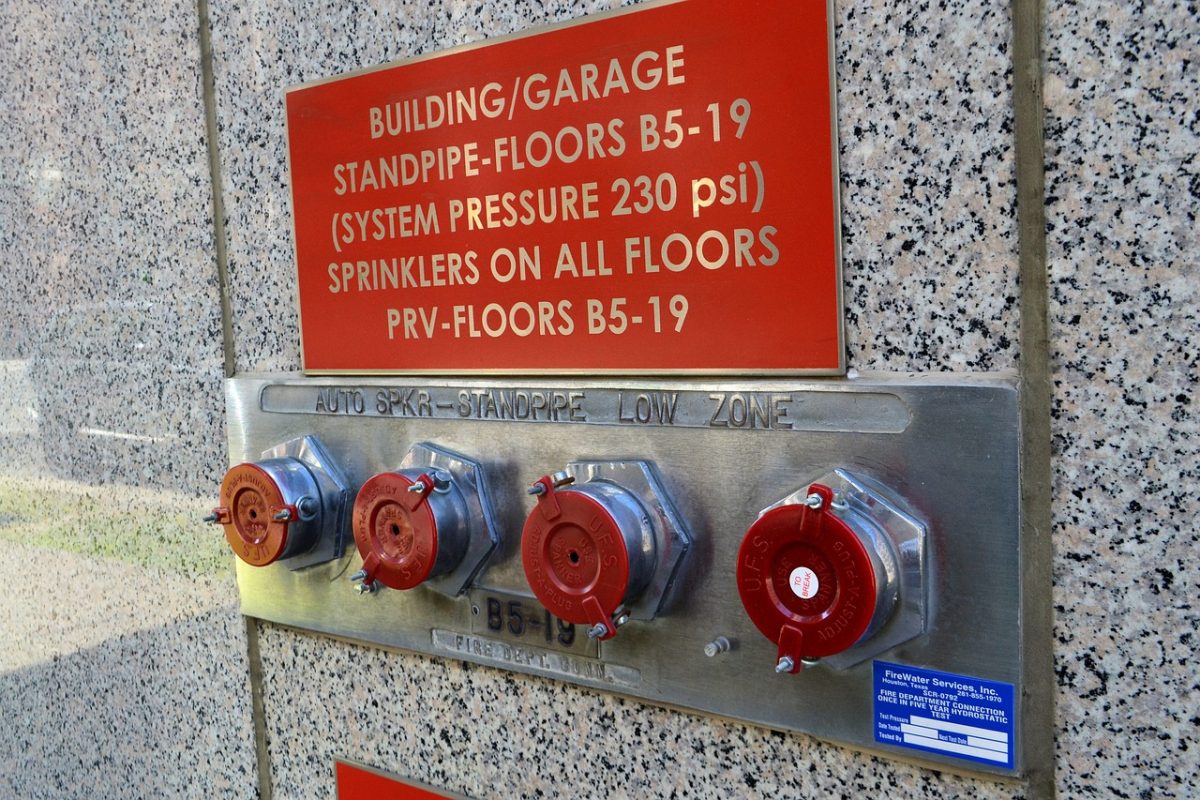
Fire safety is paramount in any workplace. It’s not just about protecting your assets and premises but, more importantly, safeguarding the lives of your employees. An effective fire safety training program, including the use of a mobile inspection app, is essential for minimizing risks and ensuring everyone knows what to do in an emergency. This app can streamline inspections and keep safety protocols accessible. Here’s a comprehensive guide to help business owners implement a robust fire safety training program.
Understand the Importance of Fire Safety Training
First and foremost, it’s crucial to understand why fire safety training is necessary. Fires can cause significant damage in a matter of minutes. Proper training can prevent injuries, save lives, and reduce property loss. Employees with fire safety knowledge are better prepared to handle emergencies calmly and efficiently.
Key Components of Fire Safety Training
1. Fire Risk Assessment
The foundation of any fire safety program is a thorough risk assessment. Identify potential fire hazards in your workplace, such as flammable materials, faulty electrical equipment, and obstructed escape routes. Regularly update this assessment to address any new risks that may arise.
2. Clear Evacuation Plan
Develop a clear evacuation plan detailing employees’ steps during an emergency. This plan should include:
- Primary and secondary escape routes: Ensure all escape routes are marked clearly and free of obstructions.
- Assembly points: Designate safe areas where employees should gather after evacuating the building.
- Responsibilities: Assign specific roles to employees, such as fire wardens, who will coordinate the evacuation and ensure everyone is accounted for.
3. Use of Fire Extinguishers
Teach employees how to use fire extinguishers properly. This includes understanding the different types of extinguishers and the fires they are designed to combat. The PASS technique (Pull, Aim, Squeeze, Sweep) is an effective method for remembering:
- Pull: Pull the pin to break the tamper seal.
- Aim: Aim the nozzle at the base of the fire.
- Squeeze: Squeeze the handle to release the extinguishing agent.
- Sweep: Sweep the nozzle from side to side at the base of the fire until it is extinguished.
4. Fire Drills
Conduct regular fire drills to ensure employees are familiar with evacuation procedures. These drills help identify any weaknesses in your plan and provide opportunities for improvement. After each drill, hold a debriefing session to discuss what went well and what could be improved.
5. Emergency Communication
Establish a reliable communication system to alert employees in case of a fire. This can include alarms, public address systems, and emergency notification apps. Ensure all employees know how to use these systems and understand the signals they will hear during an emergency.
6. Training Sessions
Regular training sessions should be held to keep fire safety knowledge fresh in employees’ minds. Topics to cover include:
- Identifying fire hazards
- Correct use of fire extinguishers
- Evacuation procedures
- Roles and responsibilities during an emergency
- First aid basics
Best Practices for Effective Fire Safety Training
1. Tailor Training to Your Workplace
Customize your fire safety training to address your workplace’s specific risks and needs. For example, a manufacturing facility will have different fire hazards than an office environment, so tailoring your training ensures it is relevant and effective.
2. Engage Employees
Make your training sessions engaging and interactive. Use a mix of presentations, hands-on exercises, and real-life scenarios to keep employees interested and involved. Encourage questions and discussions to ensure everyone understands the material. A mobile inspection app can provide practical examples that enhance learning.
3. Incorporate Technology
Utilize technology to enhance your fire safety training. Fire inspection software can streamline the process, while online courses, virtual drills, and simulation software provide valuable learning experiences and make training more accessible for employees. Embracing these tools will ensure a comprehensive understanding of fire safety protocols.
4. Regular Reviews
Continuously review and update your fire safety training program. Changes in the workplace, new equipment, or updated regulations may require adjustments to your training. Regular reviews ensure your program remains relevant and effective.
5. Documentation
Keep detailed records of all fire safety training sessions, drills, and risk assessments. This documentation can be valuable for compliance purposes and helps track the effectiveness of your program over time.
Conclusion
Effective fire safety training is crucial for workplace safety. A comprehensive program prepares employees to handle fire emergencies confidently, emphasizing regular practice, engagement, and continuous improvement. Start by conducting a fire risk assessment and creating a tailored evacuation plan. Your commitment to fire safety protects your business and shows dedication to your employees’ well-being.