How Could Election Results Impact the Future of USD Rates?
Major geopolitical events, economic news, and other high-impact news can seriously mess up prices for various financial instruments. Currencies are especially vulnerable to this kind of news. US elections naturally have the highest impact on the USD pairs. If you know how to anticipate and even predict the results of the election, you might be sitting on a jackpot. Since we do not have a crystal ball to predict anything (spoiler alert: no one does), let’s consider different scenarios and their potential impact on the USD rates.
How to anticipate the impact of elections on USD rates
There are a few ways to anticipate and prepare for elections and the impact on USD rates against other assets and currencies. Obviously, the easiest way to capitalize on election results is to outsource all the analysis matters to experts. Services, such as FX signals, allow traders and investors to get trading signals from experts and capitalize on market opportunities without the need to stare at the screen all day to catch clues.
Another more painful way is to analyze the historical impact of the election on USD rates and look at which candidate has a higher chance of winning and what they offer when they become a president. This will take some time to master, but results and potential profits might be worth it.
Historical analysis of how elections impact USD
Surely, the best way to anticipate what might happen is to look at historical data. Historically, the impact of elections depends on what the candidates promise to implement in case they win the elections and how investors perceive the impact of certain candidates winning the elections.
If we look at statistical data, the USD Index experienced a volatility spike in almost every presidential election since 1990.
2008 financial crisis and elections
Barack Obama’s election also caused a spike in volatility for USD, but we know 2008 because of another important event. The 2008 financial crisis and housing bubble caused the USD to weaken due to investor uncertainty. Surely, when the housing market of a country crashes, its currency also experiences its consequences. This was followed by rising numbers of unemployed, which heavily impacted the USD’s strength.
2016 U.S. elections
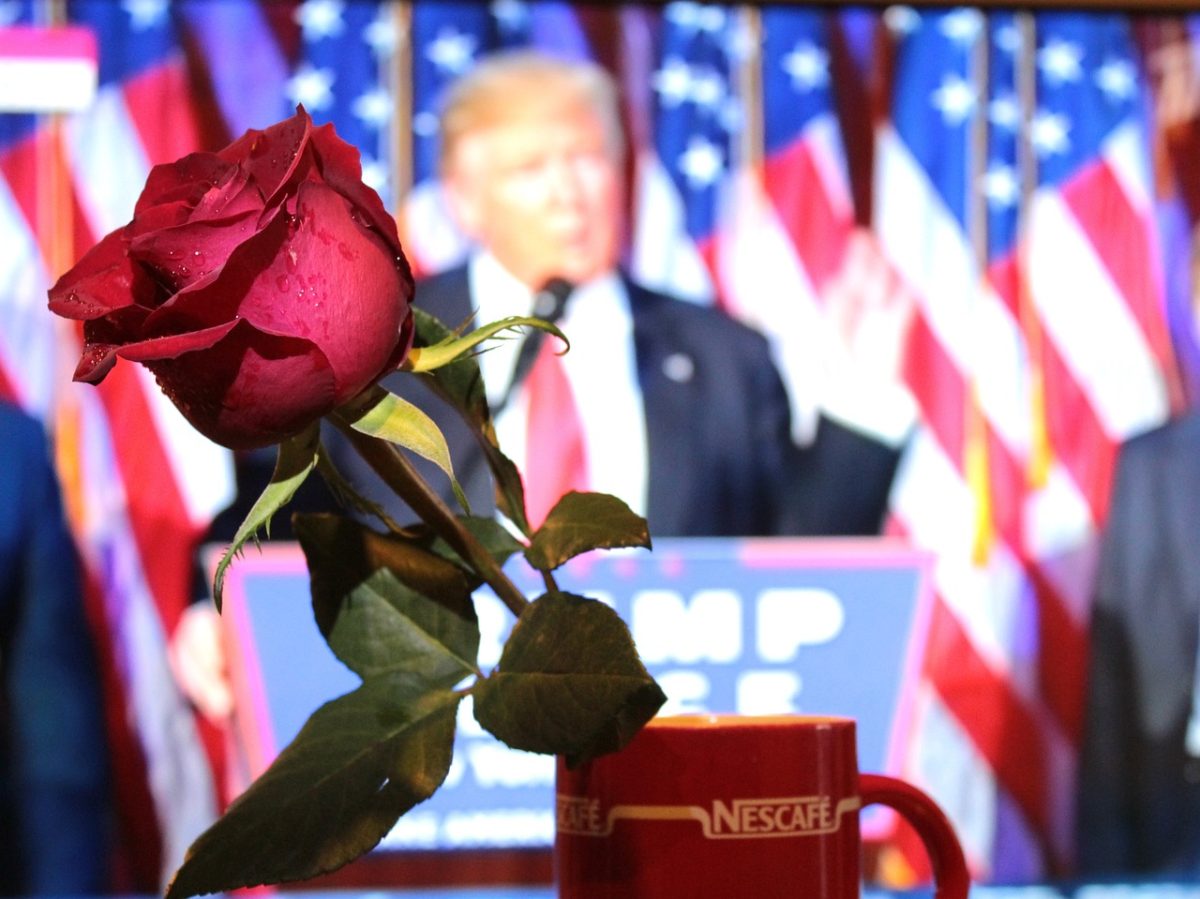
After Donald Trump won the 2016 presidential election, the USD surged initially because he promised tax cuts and deregulation. Trump promised to cut taxes, and it had an immediate positive impact on stock markets. As a businessman, he understood what was good for businesses and investors quickly took on this promise.
Overall, the results of elections create immediate uncertainty and volatility spikes, leading to either a rally or sell-off of the U.S. Dollar, depending on market expectations. In the case of Trump, investors anticipated better conditions for stock markets, and similar is true for the current 2024 presidential elections.
Economic policies that affect USD valuation
The number one reason why elections are so important is that they usually result in changes in important financial policies, including fiscal, monetary, and trade policies. Let’s briefly overview each of them and their impact on USD rates below.
Fiscal policies
Elections result in changes to fiscal policies, which include government spending and taxation. In case Trump becomes president once again, we can safely assume that stock markets will rally. A president promising large infrastructure spending could also lead to a stronger USD in the short term because investors might expect higher interest rates to mitigate inflationary pressures from increased spending.
Monetary policies
The Federal Reserve’s (Fed) reaction to election results is also critical. If a newly elected president is on the side of looser fiscal policies, the Fed might raise interest rates to slow down inflation, which will also strengthen the dollar. The Fed, with its interest rates, directly impacts the rates of USD against other currencies and assets. Higher interest rates slow down inflation but also reduce loans and stock prices, while higher inflation is generally bullish (good) for stock markets. The policies implemented by the Fed directly affect Forex rates of USD pairs and typically have global repercussions.
Trade policy
Trade policy shifts also heavily impact the USD. These policies include tariffs and trade agreements. The beginning of the trade war with China temporarily weakened the dollar in 2018. Stock prices for affected companies by these trade policy shifts also react in sell-offs or rallies, and investors need to anticipate how these policies might predict potential trends in certain stock prices.