From Two Cultures to One Ceremony: Wedding Planning in International Relationships
International couples must strike a balance between their own cultural identities and a harmonious wedding celebration. For people, particularly those who find love in unexpected places, such as through platforms like https://ladadate.com/ukrainian-brides/40-plus-age, bringing together two distinct cultures can be a rewarding yet complex journey. From blending wedding traditions to navigating family expectations, these unions often require careful planning and thoughtful compromises.
What Can International Couples Do to Honor Both Backgrounds?
Blend Traditions
Wedding traditions often hold deep significance in both partners’ lives. Finding ways to include meaningful customs from both sides can lead to a truly special celebration.
For example, Ukrainian weddings are rich with symbolism, like the traditional bread called “korovai,” which represents prosperity and unity. Meanwhile, Western ceremonies often center around the exchange of vows and rings. Fiancés can combine elements from their heritage to create a unique and heartfelt event. The key is communication and compromise, which will ensure that both cultures are honored and represented equally.
Choose a Perfect Venue
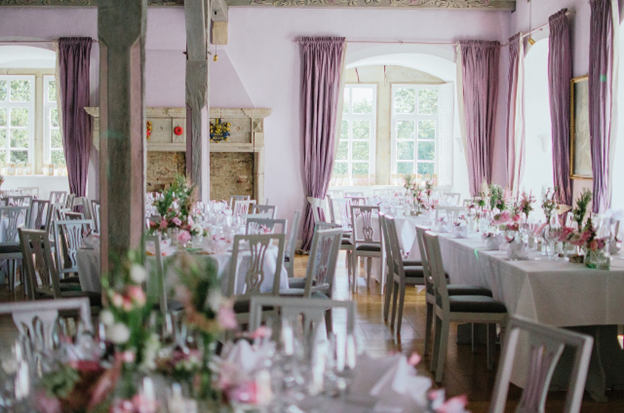
For international families-to-be, a venue can provide additional challenges to the process. Families may be located across different continents or simply live in separate cities. This often turns the question of where to hold the ceremony into a practical concern.
Some couples opt for a destination wedding and select a place that serves as a middle ground for both families. Others choose to host multiple ceremonies, one in each country. This allows each heritage to be fully celebrated, without travel limitations. Regardless of the decision, it is crucial to plan ahead and take the logistics of international travel, guest accommodations, and potential visa requirements into account.
Communicate with Both Families
Clear and respectful communication is essential in any relationship, but it becomes especially important when two completely different families are involved. Each family may have its own wedding expectations and traditions, so setting expectations early on can help avoid conflict.
Language barriers may also come into play. In some cases, translation services may be necessary for invitations, ceremony programs, or even speeches. This ensures that all guests, regardless of their native language, feel included in the celebration. For example, you could provide a bilingual program, so everyone understands the significance of the various traditions and events that will take place during the ceremony and celebrations.
Manage Expectations
Family involvement in the planning process varies across cultures. In some countries, weddings are large, family-driven events, where the couple’s families play significant roles in every step of the process. In others, weddings are more intimate, with a bride and groom handling most of the arrangements themselves.
Spouses-to-be should discuss early on how much involvement they want from their families and find a middle ground that respects both cultural values. This is especially important when the expectations from each family may be vastly different. An open discussion about budgeting, guest lists, and ceremonial customs can help prevent conflict and ensure that the wedding reflects both families’ values.
Incorporate Multicultural Elements into the Ceremony
With the help of their national attire, rituals, music, or food, international families have endless opportunities to create a celebration that reflects their diverse backgrounds. Each element here can become a meaningful expression of unity and respect.
For example, you might wear traditional clothes for the ceremony and switch to modern outfits for the reception. Or, you could introduce cultural music and dances from both traditions during the party and give your guests a taste of each culture. This fusion can create a memorable experience not only for the couple but for their guests as well, which will offer them a chance to learn about and appreciate a different way of life.
Navigate Legalities
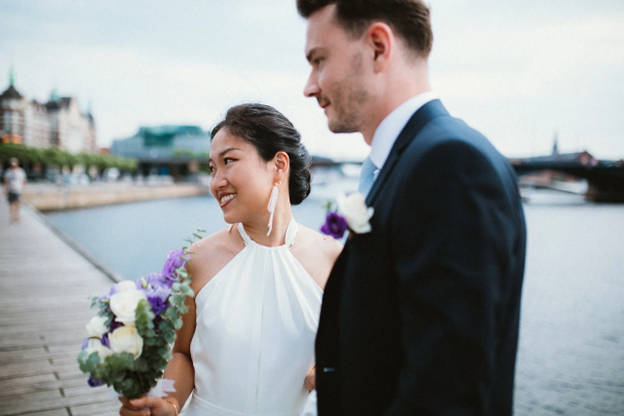
When two people from different countries decide to marry, they often face various legal hurdles, such as visa requirements or different marriage laws. Before making any wedding plans, it’s essential to research the necessary documentation, such as marriage licenses, birth certificates, and affidavits. In some cases, couples may need to marry in one country for legal purposes and hold a symbolic ceremony in the other.
It’s also important to factor in the time it takes to process visas for the partner, who may be moving to a new country after the wedding. Starting this process early ensures that legal issues do not interfere with the wedding date or plans.
Final Thoughts
Planning a wedding when two backgrounds come together is a complex but deeply rewarding experience. It allows people from different countries to celebrate their love and the rich traditions that have shaped their individual lives. It is especially important for couples who meet later in life, for example, in their forties.
Balancing family expectations, blending traditions, and navigating legalities may require some extra effort, but the result is a truly unique celebration of love that bridges two worlds. In the end, the merging of two different cultures can create a strong foundation for future life together.