Why Crane Equipment Is Vital for Commercial Construction
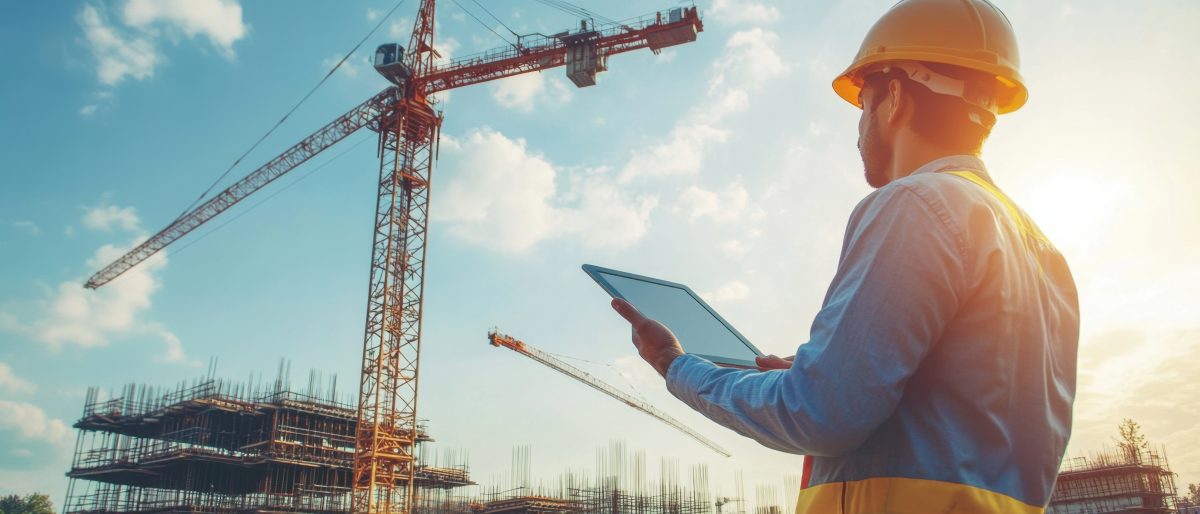
In commercial construction, where towering skyscrapers and expansive infrastructure projects take shape, crane equipment emerges as an indispensable tool. With their immense power and precision, these mechanical marvels are the backbone of modern construction, enabling the efficient and safe execution of complex building tasks.
That said, this article will discuss the importance of crane equipment in commercial construction, highlighting its key roles and benefits.
What Is Crane Equipment?
Crane equipment for your projects is heavy machinery explicitly designed to lift, move, and place heavy objects and materials. It is often used in the construction, manufacturing, and logistics industries. A crane’s essential function is to transport items vertically and horizontally, allowing for the precise positioning of heavy loads that would be impossible or too time-consuming to manage by human labor alone.
Benefits of Using Crane Equipment
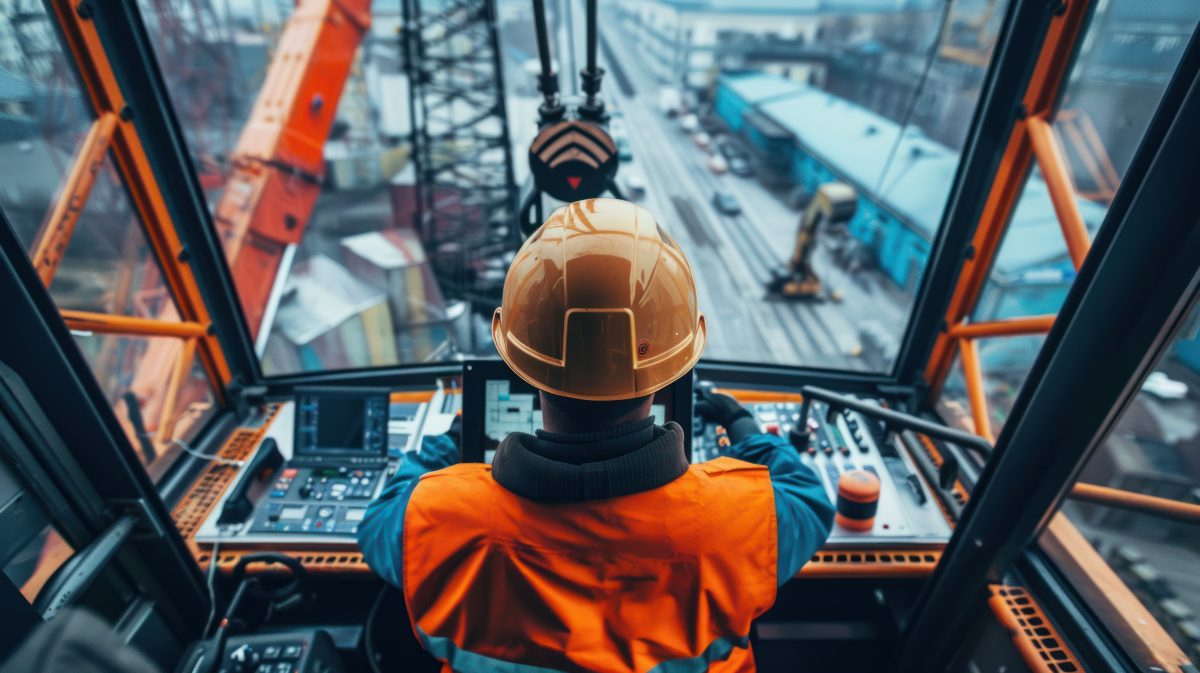
Here are some key benefits of using crane equipment, which can significantly improve safety, productivity, and accuracy in heavy-lifting operations across various industries.
1. Heavy Lifting and Material Handling
Crane equipment is essential for managing the heavy lifting requirements common in commercial construction. Materials such as steel beams, concrete slabs, and large mechanical components are integral to the construction process, but their weight makes manual handling impractical and inefficient.
Cranes are specifically designed to hoist and transport these hefty materials, enabling contractors to move them across large sites quickly and safely. Without cranes, workers would face considerable physical strain, and the progress of the project would significantly slow down. By reducing labor intensity, cranes streamline operations and allow faster project completion.
2. Precision and Accuracy
In commercial construction, the precise placement of materials is essential for ensuring structural integrity, compliance with architectural designs, and overall building stability. Cranes are equipped with advanced control systems, allowing operators to handle and position heavy components accurately. This precision minimizes errors, ensuring that beams, panels, and other structural elements fit into their designated spots without needing adjustments.
For complex projects where structural alignment is critical, the right crane equipment reduces the margin of error, helping maintain the building’s safety and functionality. This accurate placement is especially beneficial for projects with intricate architectural details, complex layouts, and tall structures, where precision is paramount.
3. Enhanced Safety
Safety on construction sites is a priority, given the inherent risks associated with handling heavy materials and working at heights. Cranes mitigate many of these risks by taking on tasks that would otherwise expose workers to dangerous manual lifting or precarious positioning tasks.
Furthermore, modern cranes come equipped with safety-enhancing technologies, such as load limiters that prevent overloading, anti-collision systems that maintain safe distances from other structures, and stabilizers that keep the crane steady. These features reduce the likelihood of accidents caused by equipment failure, operator error, or overloading.
By using cranes, companies can ensure a safer environment for workers. Heavy lifting and complex placements are managed through machine support rather than manual labor, thereby reducing workplace injuries and associated costs.
4. Increased Efficiency and Productivity
Cranes are a key factor in boosting productivity on construction sites, where time is of the essence. With the ability to move materials swiftly and precisely, cranes allow workers to focus on their specific tasks without handling heavy lifting or waiting for materials to be manually transported. This efficiency enables multiple aspects of a project to progress simultaneously, minimizing downtime and allowing for overlapping various construction phases.
For instance, cranes can lift materials to upper floors while workers on the ground assemble structural elements, ensuring a continuous flow of activity. This enhanced workflow contributes to faster project completion, helping contractors stay on schedule and often even reducing the overall construction timeline.
Planning material staging and lift paths early can prevent bottlenecks on busy commercial sites. When a project needs added living space or accessory units on a property, the scope can call for specialized coordination, so it helps to contact this ADU builder before finalizing equipment schedules. That alignment keeps crane time focused on the heaviest picks and reduces last-minute changes that disrupt crews.
5. Flexibility and Adaptability to Site Conditions
Construction sites vary widely, from congested urban areas to expansive industrial plots, and cranes offer a level of adaptability that makes them suitable for nearly any setting. Different types of cranes are designed for specific environments and purposes. For example, tower cranes are ideal for high-rise buildings, while mobile cranes are well-suited for maneuvering in tighter spaces.
On the other hand, telescopic cranes can reach various heights and are invaluable on sites with fluctuating terrain. This flexibility ensures that the right crane equipment can adjust to unique site demands, accommodating different heights, load capacities, and spatial limitations. The adaptability of cranes to different terrains and layouts allows contractors to maintain efficiency and safety, regardless of the project’s physical constraints.
6. Cost Savings
Although cranes require a significant initial investment, their cost-effectiveness becomes clear over the long term. By facilitating rapid material handling, reducing labor costs, and minimizing project delays, cranes contribute considerable savings on commercial construction projects. Fewer labor hours are needed for manual lifting tasks, reducing payroll expenses and allowing workers to focus on other value-added activities.
Additionally, cranes help prevent costly delays associated with material placement errors or workflow interruptions, further supporting efficient project completion. Their contribution to safety also reduces potential medical or legal expenses associated with workplace injuries.
Altogether, cranes are a valuable asset that streamlines construction processes and provides significant financial advantages by preventing costly setbacks and enabling smooth project flow.
Conclusion
As technology advances, you can expect further innovations in crane design and operation, pushing the boundaries of what is possible in the construction sector. By prioritizing safety and adhering to stringent regulations, you can harness the power of crane equipment to build a sustainable and prosperous future in the construction industry.