Exploring Treatment Options For Tooth Gaps

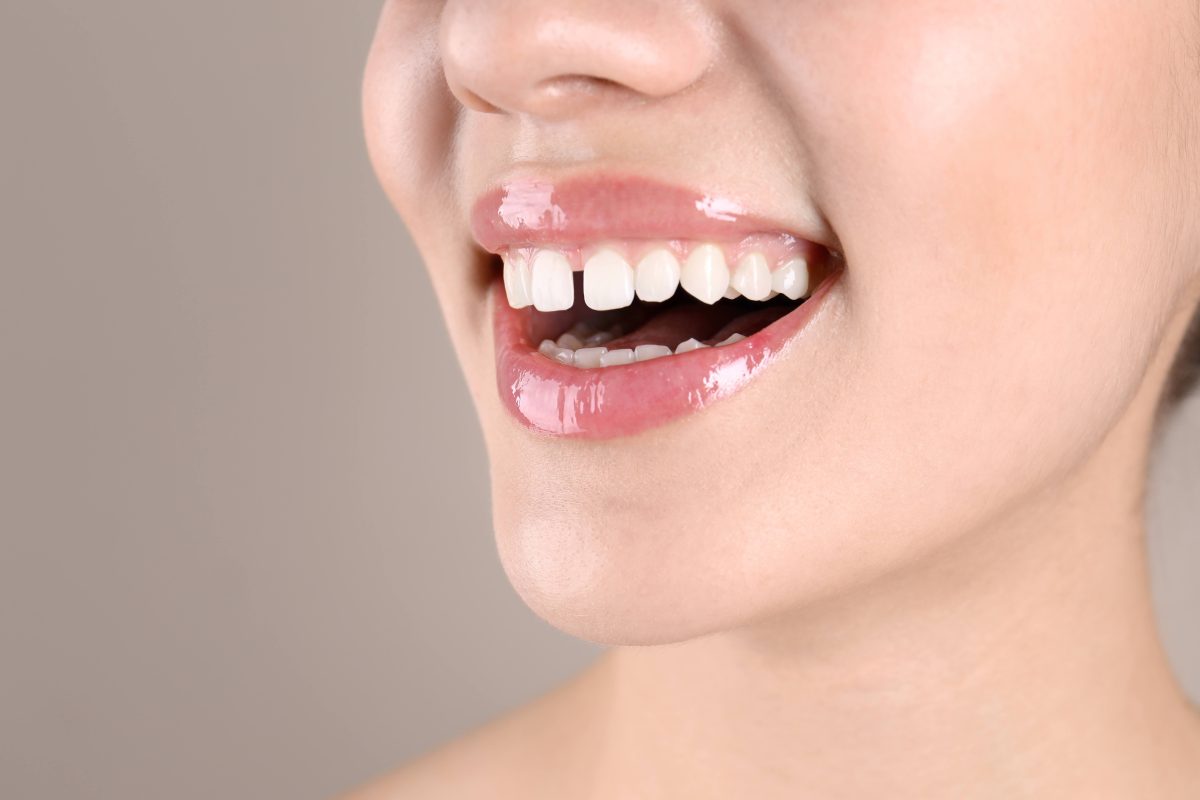
Dental diastema, which is the medical term for tooth gaps, affects many individuals worldwide. These spaces between teeth can occur anywhere in the mouth but are most noticeable when present between the front teeth. While some people embrace their gaps as unique features, others seek treatment options to close these spaces for aesthetic or functional reasons.
Understanding Gap Teeth
A tooth gap can develop due to various factors, impacting both oral health and aesthetic appearance. Professional evaluation helps determine the underlying causes and appropriate treatment approaches.
The development of teeth gaps often stems from a combination of genetic predisposition and developmental factors. Many individuals inherit traits that lead to the spacing between teeth while others develop gaps due to misaligned teeth or an oversized labial frenum. Childhood habits like thumb sucking can significantly impact tooth positioning, creating noticeable spaces.
Discrepancies between jawbone size and tooth dimensions can result in gap tooth. Also, conditions such as gum disease or bone loss may cause teeth to shift, creating new spaces. Missing teeth can contribute to gap formation as well, affecting both functionality and appearance.
Conservative Treatment Approaches
When addressing gap teeth, starting with conservative methods both provides satisfactory results and preserves natural tooth structure. Enhancing smiles with composite veneers represents one of the most cost-effective and minimally invasive options available today.
Conservative dentistry emphasizes the preservation of natural tooth structure and achieving desired aesthetic results. Direct composite bonding offers immediate improvement with minimal tooth preparation while minimal prep veneers provide a more permanent solution.
Some cases may benefit from gum tissue modifications to improve overall appearance. Habit modification techniques help prevent gap reformation, particularly in cases influenced by behavioral factors. Minor tooth reshaping can sometimes create the illusion of proper spacing. Meanwhile, space maintenance devices help prevent unwanted tooth movement.
Orthodontic Solutions
Orthodontic intervention offers reliable and permanent solutions for gap closure, addressing both aesthetic and functional concerns. These treatments work by gradually repositioning teeth through controlled force application.
Modern orthodontics provides numerous options for gap closure, ranging from traditional metal braces to innovative clear aligner systems. Ceramic braces offer a more aesthetic alternative to metal appliances while self-ligating brackets can reduce treatment time. Clear aligners have revolutionized orthodontic treatment, providing nearly invisible tooth movement. Lingual braces placed behind the teeth offer complete discretion.
Some cases benefit from removable space maintainers, particularly during transitional phases. Many patients achieve optimal results through combination therapy approaches, incorporating various orthodontic techniques.
Cosmetic Dental Procedures
Cosmetic dentistry provides immediate results while improving overall smile aesthetics. These procedures can address multiple concerns simultaneously, offering transformative outcomes. The field of cosmetic dentistry has evolved to offer highly aesthetic solutions for tooth gaps. Porcelain veneers provide long-lasting results with excellent color stability while composite veneers offer a more economical alternative.
Dental bonding allows for immediate gap closure with minimal tooth preparation. Crown lengthening and gum contouring can improve the overall appearance of the smile. Comprehensive smile design procedures take into account multiple aspects of facial aesthetics. Many patients benefit from combination treatments that address various cosmetic concerns simultaneously.
If you check out this dentist in Glenpool, OK, they’ll tell you that cosmetic dental procedures for tooth gaps provide tailored solutions that cater to different aesthetic and functional needs. In addition to veneers and bonding, orthodontic options like Invisalign can gradually close gaps over time, offering a discreet and comfortable alternative to traditional braces. For patients seeking a permanent solution, dental implants can replace missing teeth and fill gaps, blending seamlessly with natural teeth.
Advanced Treatment Options
For complex cases requiring comprehensive care, advanced treatment options provide long-lasting solutions while addressing underlying oral health concerns.
Complex cases often require sophisticated treatment approaches that go beyond simple gap closure. Implants full mouth restoration may be necessary when multiple dental issues exist. Dental implants provide permanent replacement for missing teeth while custom-made bridges can span larger gaps. Complex orthodontic cases may require specialized techniques and extended treatment times.
Some patients benefit from surgical interventions to address underlying skeletal issues. Bone grafting procedures may be necessary to support implant placement. Periodontal treatments ensure long-term stability of results.
Maintaining Results
Long-term success depends heavily on proper maintenance and follow-up care. A comprehensive maintenance plan ensures lasting results and protects the investment in dental treatment. Maintaining treatment results requires diligent attention to oral healthcare. Regular professional cleanings prevent complications that could compromise treatment outcomes. Proper oral hygiene practices become even more crucial after gap closure procedures.
Patients who undergo orthodontic treatment must commit to wearing prescribed retainers to prevent relapse. Periodic dental examinations allow for early detection of potential issues. Protective nightguards may be necessary for patients who grind their teeth. Regular documentation helps track treatment stability and identifies any necessary adjustments.
Personalized Treatment Planning
Creating an individualized treatment approach ensures optimal outcomes aligned with patient goals and expectations. Careful consideration of various factors helps determine the most appropriate intervention strategy.
Success in treating gapped teeth begins with thorough treatment planning. Comprehensive oral examination reveals underlying issues that must be addressed. Digital smile design technology allows patients to preview potential results. Developing a realistic treatment timeline helps manage expectations.
Conclusion
Addressing spaced teeth involves choosing from various treatment options, each with its own advantages and considerations. The decision should be based on individual needs, desired outcomes, and professional recommendations. With modern dental advances, achieving a confident smile is more accessible than ever.