How Police Establish Fault After a Car Accident
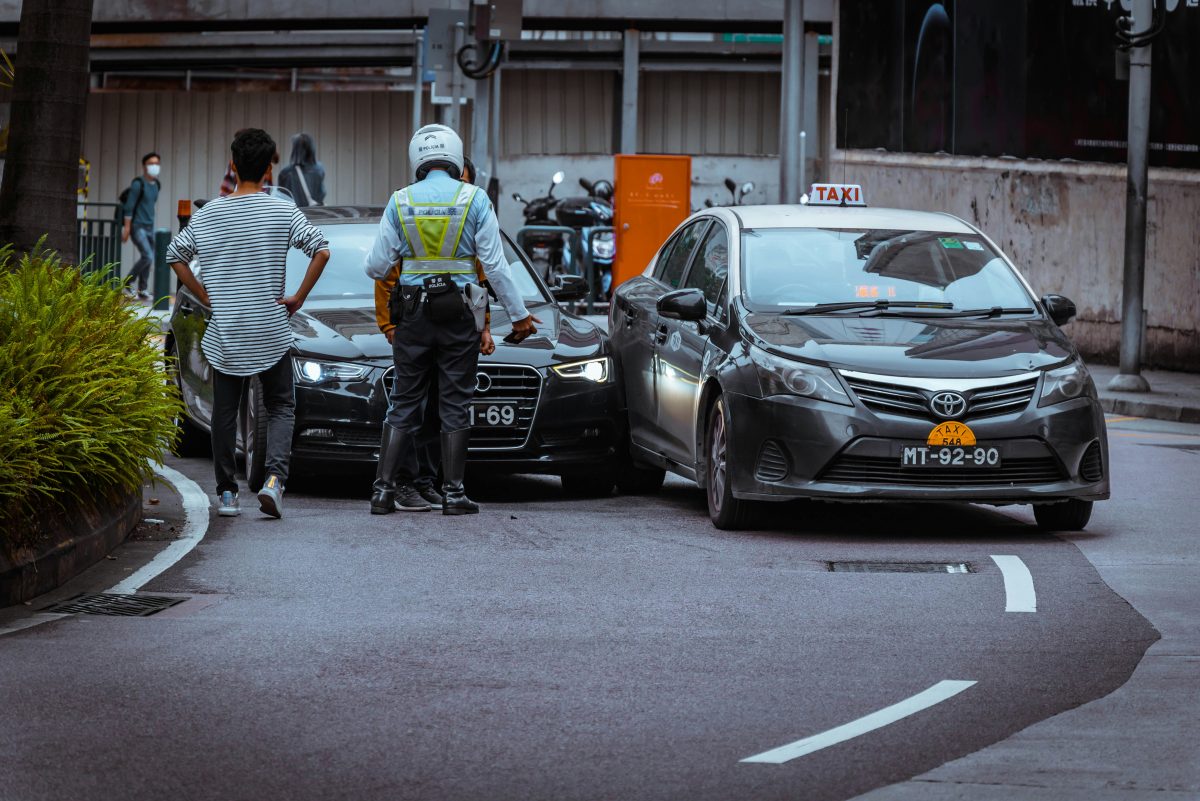
If you are in a car accident in Florida, the aftermath is likely to be chaos. People will crowd the scene. The police will try to keep them away while the paramedics attend to you and the others involved in the accident.
Only later on will you start thinking about insurance claims and personal injury cases. You will have a stronger case if you can prove the accident was the other driver’s fault. That means you must cooperate with the police after an accident to ensure you get an official report.
Working with the police and providing the facts about the accident can also help them fairly assess who is to blame.
Florida’s Comparative Fault System
Florida follows modified comparative negligence rules. This will factor into your personal injury case should you want to file. According to Florida law, you can only recover compensation if you are less than 50% at fault for the accident—anything higher than that, and you could be barred from filing a claim.
This is why it is important to make sure the initial assessment by the responding police officer is correct. Police reports play a big role in compensation cases. If the accident report does not state that the other driver was at fault, it will be very hard to recoup your losses.
Steps Police Must Take to Determine Fault
There are certain steps a police officer takes when they arrive at an accident scene. Their first priority is to check whether everyone involved is safe and whether medical assistance is required.
When the paramedics arrive, the officer can assess and secure the scene. They will look at the position of the vehicles. They will make notes of the road conditions and the weather. The officer will also check for nearby skid marks, debris, and surrounding traffic signals.
Collecting Statements From Drivers and Witnesses
Police officers systematically work their way through an accident scene. After securing the scene and making initial notes, they will talk to you and the other driver. They will ask you both for your versions of what happened.
Officers also talk to passengers and bystanders to get a complete picture of what may have led to the accident. In most cases, an officer will look for inconsistencies and compare them with physical evidence.
If an officer wants to take your statement, only provide the facts. This means stating your version (factually) without saying things that could make it look like you are at fault.
Examining the Damage to Vehicles
Police officers also use vehicle damage to try and reconstruct how an accident happened. They look for things like sideswipe or rear-end damage. They may also look for damage that indicates you or the other driver ran a red light or stop sign.
If there is proof that either of you violated a traffic law, you may get a citation. Traffic laws extend well beyond stopping at traffic lights and stop streets. You can get a citation for failing to yield, speeding, drunk driving, and driving while texting.
Other Factors Police Officers May Consider
An officer may want to review dashcams or traffic camera footage if available. Sometimes, video footage is crucial in establishing fault, especially if drivers blame each other.
If the officer suspects one or both drivers are under the influence of alcohol, they will likely administer an on-the-spot test. Should you test positive, you can automatically be blamed for the accident.
Why a Police Report Is Needed to Determine Fault
Once the officer has all the necessary information, they will complete an official accident report. The report includes the date, time, and location of the accident. The officer will make observations about road conditions and the weather.
You and the other driver’s statements will be included, as well as any citations issued. Most importantly, the officer’s determination of fault will also be included.
That said, a police report is not set in stone, which means it does not legally determine fault. Insurance companies and courts may rely heavily on the initial fault determination, but that does not mean you cannot dispute it.
Disputing a Police Report
You must gather evidence that proves otherwise if you are incorrectly blamed for the accident. You can ask the officer to amend the report when you have undisputable evidence.
It is usually easier to get this done if you have a lawyer to help you. A personal injury attorney can dispute incorrect information in the report on your behalf.
It is always best to cooperate with the police, but that does not mean ignoring your rights. With a lawyer, you can potentially prove your innocence after an accident and get the compensation you need.