Key Factors to Consider When Planning Elevator Maintenance for Your Business
Regular maintenance of elevators is vital to ensure operational efficiency and safety. Business owners often overlook this aspect, focusing instead on aesthetics or customer service. However, a well-maintained elevator keeps employees and customers satisfied while enhancing your building’s overall functionality. Neglecting maintenance can lead to costly repairs and eventual shutdowns, furthermore, it can put the safety of users at serious risk.
Understanding Local Regulations and Compliance
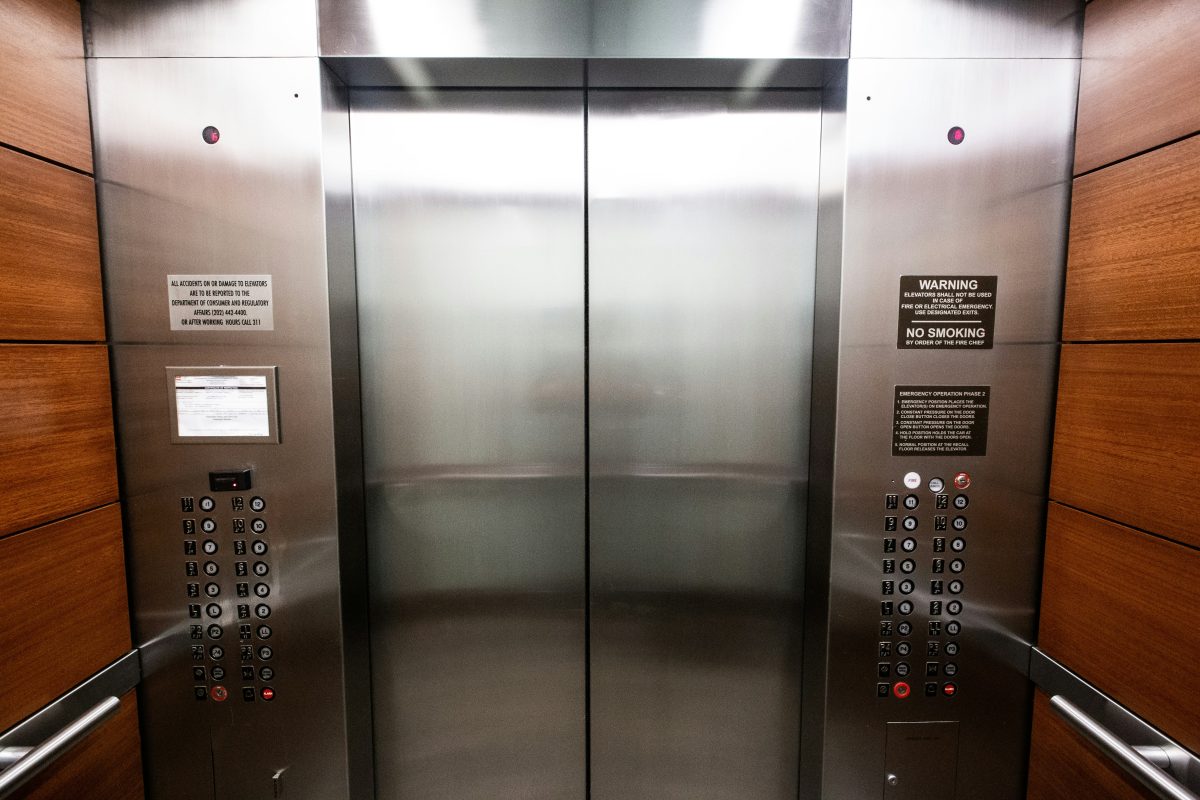
Different regions have specific local regulations regarding elevator maintenance and safety standards. Staying informed about these regulations is critical for compliance and avoiding fines. Each year, elevators must undergo inspections to ensure they meet the safety and operational standards set by regulatory bodies. Understanding these obligations not only protects your business from potential penalties but also assures users that they are in a safe environment.
Regular checks facilitate adherence to these standards and create a proactive approach towards maintenance. Many business owners consult with certified elevator maintenance companies to navigate these regulations effectively. By engaging professionals, you ensure that all maintenance tasks performed on your elevator systems are compliant.
Assessing the Age and Condition of Your Equipment
The age of your elevator plays a significant role in determining its maintenance needs. Older elevators may require more frequent checks and updates to ensure they function optimally. It’s essential to review maintenance logs and previous repair records to gauge how well the elevator has been maintained over the years. Assessing the condition of critical components such as motors, cables, and safety mechanisms is equally important.
Components subject to wear and tear are more likely to fail if not serviced regularly. Incorporating advanced monitoring technology can help you identify issues before they escalate. Consistent evaluations of the elevator’s performance can inform the maintenance schedule. This approach aids in preventing costly repairs and reducing the risk of shutdowns, which ultimately improves the overall reliability of the service you provide. Staying proactive with regular assessments ensures the longevity and safety of your elevator system.
Scheduling Regular Inspections and Maintenance
Developing a proactive maintenance schedule is essential for ensuring your elevator operates without interruptions. Regular inspections help identify potential issues early, helping to prevent major breakdowns. Generally, it’s advisable to conduct inspections monthly or quarterly, depending on the elevator’s usage and the building’s foot traffic. A structured schedule allows maintenance teams to plan their work effectively, ensuring that the elevator aligns with peak operational times.
Businesses should also consider seasonal variations in usage that might necessitate adjustments in their maintenance schedules. During times of high foot traffic, such as holidays, maintaining peak performance should be the priority. Setting reminders and keeping a well-documented maintenance history helps track tasks completed and signals when specific services are due..
Choosing a Reliable Maintenance Provider
Selecting the right elevator maintenance provider can drastically affect the efficiency of your operations. It’s vital to partner with a company that not only understands your specific needs but is also well-versed in industry standards. Look for service providers with a strong reputation, backed by customer testimonials and case studies demonstrating their effectiveness. Ensure their technicians are qualified, certified, and up to date on the latest technologies and safety regulations.
Cost-effectiveness is important, but it should never compromise quality. Reviewing service contracts in depth is essential as they outline the terms and services provided. Be clear on what is included, as well as any additional charges for emergency services. Building a good relationship with your maintenance provider can lead to improved communication and a better understanding of your elevator systems over time.
Educating Employees on Safety Procedures
Education surrounding elevator safety is crucial for preventing accidents and ensuring smooth operations. Employees should clearly understand protocols for using the elevator, including what to do in case of an emergency. Regular training sessions can help reinforce these safety messages and keep everyone informed about the procedures. Providing accessible resources such as posters near the elevator can serve as constant reminders.
Incorporating safety drills that include scenarios involving elevator malfunctions can further instill confidence and preparedness among your team members. Furthermore, maintaining open lines of communication about elevator issues encourages employees to report any irregularities immediately. This proactive approach can significantly lower the risk of accidents and improve overall workplace safety.
Monitoring Performance and User Feedback
Regular performance evaluations combined with user feedback can greatly enhance the effectiveness of your elevator maintenance strategy. Encourage employees and visitors to report any issues they encounter while using the elevators. Feedback can provide invaluable insights into which areas may require more attention, leading to quicker resolutions of concerns.
Analysing service requests and complaints can reveal patterns that inform your maintenance schedules. Observing user interactions and elevator performance metrics can identify areas requiring upgrades or adjustments. This ongoing monitoring not only supports a proactive maintenance approach but also enables you to adapt to users’ expectations continually.
Keeping all these factors in mind while planning elevator maintenance is crucial in ensuring a smooth operation. Regular adherence to maintenance schedules can prolong the lifespan of your equipment while enhancing user satisfaction. By understanding regulatory compliance, assessing equipment condition, selecting reliable service providers, and promoting safety knowledge, your business can maintain a safe and efficient elevator system that serves both employees and customers effectively.