Finding the Right Balance Between Rest and Rehabilitation After an Injury
Injuries can be unpredictable and disruptive, often requiring a fine balance between proper rest and effective rehabilitation. Whether it’s a sports-related injury or an accident that leads to physical damage, getting back to full strength requires a comprehensive approach. Rest is crucial in the initial stages of recovery, allowing the body to heal naturally, but too much rest can also slow down the recovery process. Rehabilitation, on the other hand, can be intense and challenging, but it’s necessary to regain strength and mobility. This blog will explore how to find the right balance between rest and rehabilitation after an injury, ensuring that you recover fully without overexerting or under-resting your body.
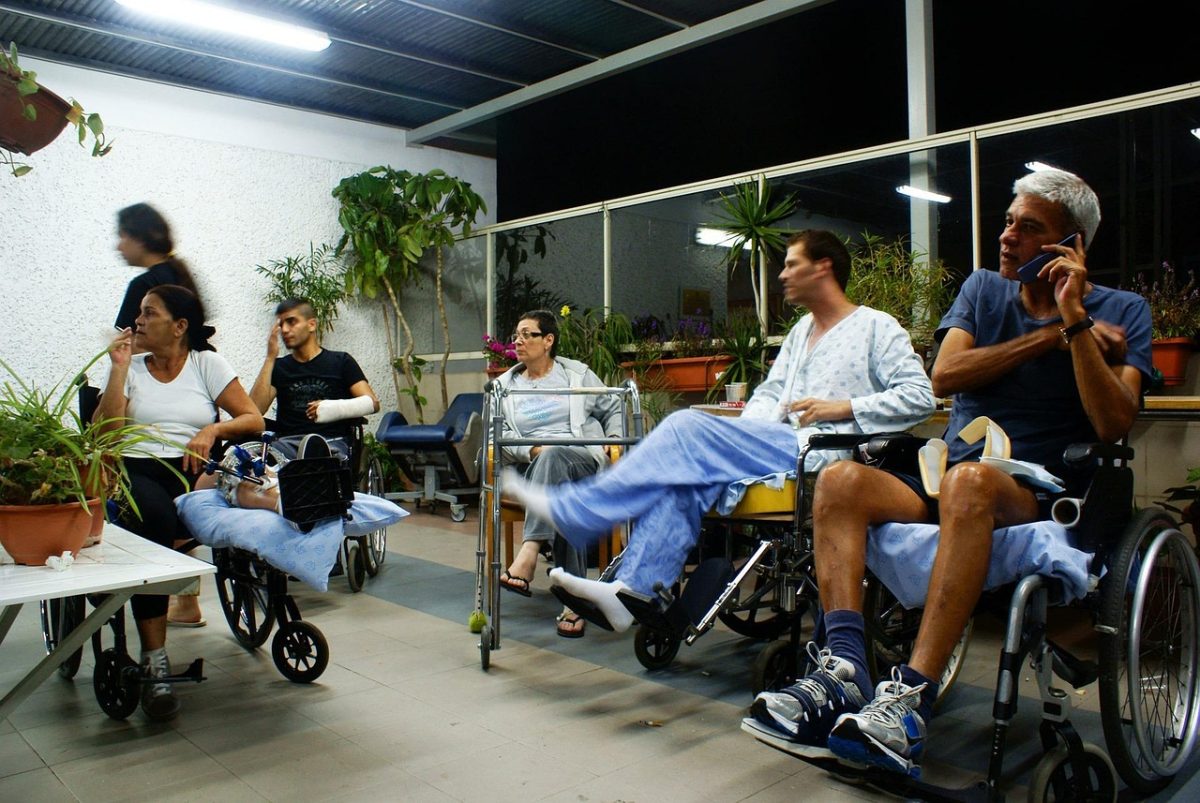
Hiring a Lawyer to Guide You Through the Recovery Process
After an injury, navigating through the aftermath can be overwhelming. Whether you were involved in an accident, such as a car crash, or sustained an injury in another way, hiring a professional like a lafayette drunk driving car accident lawyer can help guide you through the process. Legal experts assist in managing the complexities of claims, insurance, and medical documentation, providing support during this challenging period. Taking this step ensures that you can focus on your recovery without worrying about the legal and financial challenges that often follow an injury.
The Role of Rest in Early Recovery
Rest plays a significant role in the early stages of injury recovery. During this time, the body focuses on healing the affected area, whether it’s a sprained ankle or a muscle strain. Adequate rest allows the body to repair damaged tissues and reduce inflammation. This phase is crucial for avoiding further damage that might result from premature activity or stress on the injury. Rest doesn’t mean complete inactivity, but a mindful approach to limiting movement and avoiding strain.
Benefits of Active Rehabilitation
Once the initial healing phase has passed, rehabilitation becomes the next critical step in recovery. Active rehabilitation involves targeted exercises, physical therapy, and other forms of movement designed to restore strength, flexibility, and function. Engaging in rehabilitation exercises not only helps to rebuild muscle but also improves circulation, reduces stiffness, and accelerates the overall recovery process. The goal is to help the body gradually return to normal activity levels, ensuring that you don’t overburden the injured area during this process.
Overtraining: The Risks of Pushing Too Hard
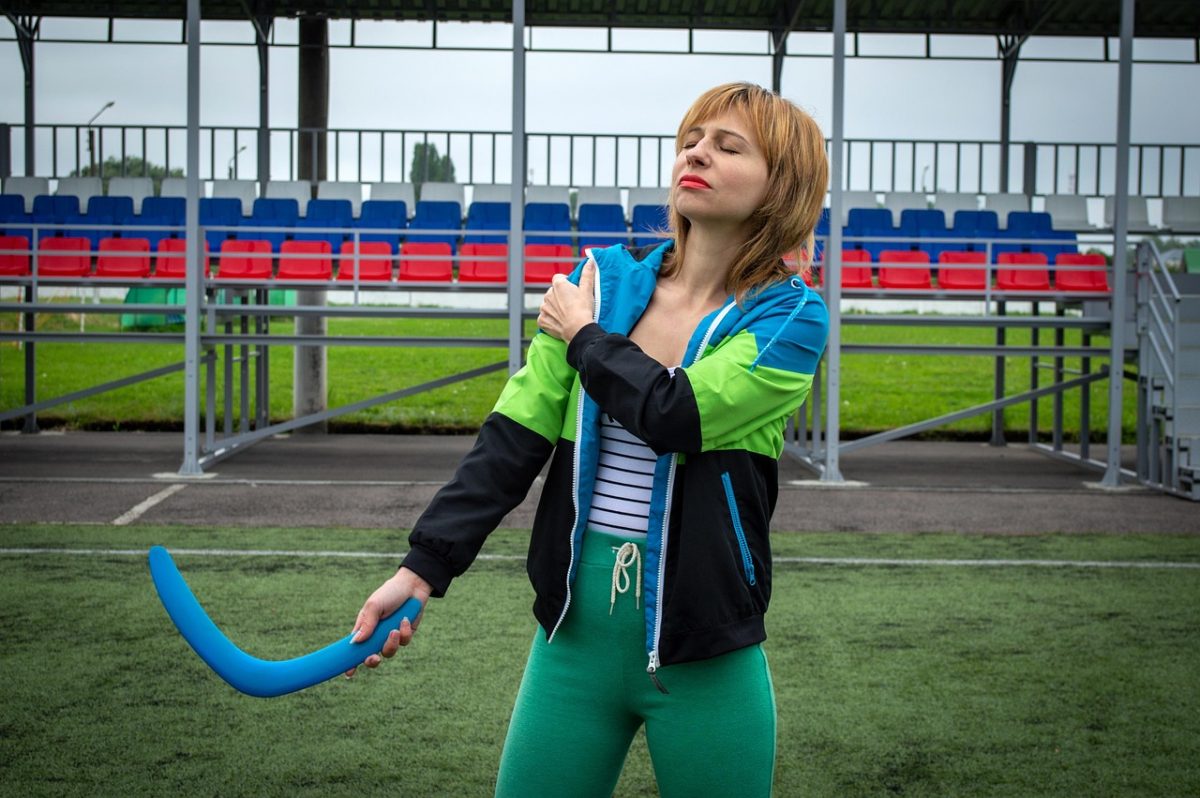
While rehabilitation is important, overtraining can be detrimental to the healing process. Pushing yourself too hard during recovery may lead to reinjury or prolonged healing times. It’s critical to listen to your body and communicate with your healthcare provider to ensure that the rehabilitation exercises align with your current condition. Overtraining can lead to setbacks, so it’s essential to balance physical activity with proper rest and recovery time.
Understanding Your Body’s Signals
Paying attention to your body’s signals is one of the most effective ways to manage the balance between rest and rehabilitation. Pain, discomfort, and fatigue are important indicators that should never be ignored. If you’re feeling sharp pain, it may be a sign that your body needs more rest or that you’re pushing too hard in your rehabilitation exercises. On the other hand, if you feel general soreness or mild discomfort, it could be a sign that your muscles are rebuilding. Monitoring these sensations closely can help you adjust your recovery plan accordingly.
The Psychological Aspects of Injury Recovery
Injury recovery is not just about the physical aspects; it also involves psychological challenges. Being forced to rest and avoid physical activities you enjoy can be mentally taxing, leading to feelings of frustration or depression. A positive mindset, combined with a structured recovery plan, can significantly impact your progress. The psychological side of recovery is often overlooked, but maintaining emotional health can contribute to a quicker and more successful return to normal activity. Consider seeking support from a counselor or a support group if you find that your recovery is affecting your mental well-being.
Knowing When to Seek Further Medical Attention
As you progress through recovery, there might be moments when you’re unsure if you’re doing too much or too little. This uncertainty is common, especially when trying to gauge the pace of rehabilitation. If you experience persistent or worsening pain, swelling, or a lack of progress, it’s important to consult your doctor or physical therapist. They can assess your condition and make adjustments to your rehabilitation plan. Taking this step ensures that you’re on the right track and not overdoing it in the pursuit of recovery.
Finding the right balance between rest and rehabilitation after an injury requires careful planning and awareness. Whether you are recovering from a sports injury, an accident, or any other type of physical trauma, managing both rest and rehabilitation thoughtfully will guide you toward getting back to your best health.