Why Payment Security Should Be a Top Priority for Growing Businesses
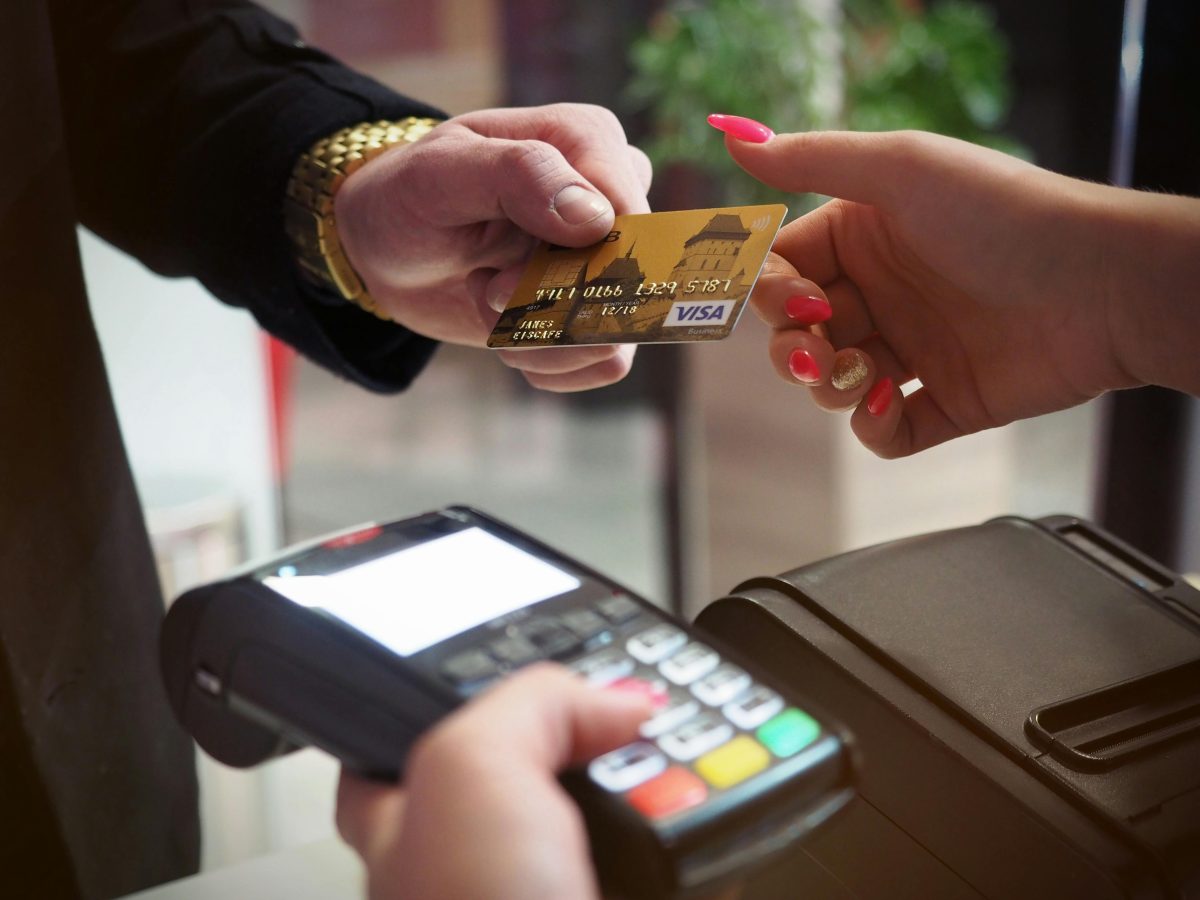
As businesses expand, they often focus on increasing revenue, reaching new markets, and enhancing customer experience. Despite the importance of these, expansion strategies must prioritize payment security. A single breach can potentially undermine consumer trust, cause financial losses, and harm a company’s brand.
As digital transactions become more common, businesses that fail to protect sensitive payment data risk serious consequences.
The Increasing Risk of Payment Fraud
With the rise of digital payments, businesses must ensure that their systems remain secure against fraud, data breaches, and identity theft. Many companies choose to outsource payment processing to providers specializing in secure transactions, reducing their exposure to security threats. With this strategy, companies may concentrate on expansion without worrying about handling compliance regulations and fraud detection.
As noted by SmartPayables, outsourced providers stay abreast of the constantly changing financial regulations. They can guarantee that your payment procedures adhere to both national and local regulations. Moreover, they also have the resources and tools to implement robust security measures for sensitive data.
This is essential given the increasing danger of payment fraud. A study by the European Central Bank found that the total value of payment fraud in 2022 was €4.3 billion.
Another report states that authorized payment fraud is estimated to rise in the US. It predicts that Authorized Push Payment (APP) scams in the country will increase to $3.03 billion by 2027. This is a significant leap from $1.94 billion in 2022. The USA will have the highest APP fraud, followed by Australia, the UK, Brazil, India, and Saudi Arabia.
Customer Trust and Business Reputation
People anticipate that their payment information will be handled securely when they make a purchase. If a company suffers a data breach, customers may lose faith in its capacity to secure their information. This lack of trust might result in reduced sales, unfavorable reviews, and long-term harm to the company’s image.
As noted by SecurityBrief, trust is important in all industries, but more so in finance, healthcare, and retail. All businesses rely on the reputation and trust they cultivate over the years. A single data leak may harm a company’s brand and undermine consumers’ trust.
Growing businesses cannot afford to take this risk lightly. A single security failure can have lasting consequences, especially in an era when consumers are more aware of online threats. Businesses that invest significantly in security measures show their clients that their safety is important.
Compliance with Industry Regulations
Payment security is not just about protecting customer information but also a legal requirement. It can be difficult for businesses that process payments to stay updated about regulations like the Payment Card Industry Data Security Standard (PCI DSS). It requires regular updates to security protocols and staying updated on new threats and compliance requirements. Failure to comply with these regulations can result in severe fines, legal action, and the loss of the ability to accept card payments.
For example, the PCI DSS regulations have been updated recently. Known as the PCI DSS version 4, these rules took effect on April 1, 2024. Version 4 has additional security requirements, like implementing multi-factor authentication across all cardholder data environments. Additionally, the new rules state that the passwords should be more complex. There is now a minimum of twelve characters instead of the prior seven.
There might be serious financial and legal repercussions for anyone who disregards these evolving laws.
The Cost of Security Breaches
A security breach can be financially devastating for a growing business. Beyond the immediate loss of funds due to fraud, companies often face legal fees, regulatory penalties, and the cost of compensating affected customers. Investigating a breach and implementing new security measures can also be expensive.
According to IBM, the average cost of a data breach worldwide was $4.88 million. In comparison to 2023, this is a staggering 10% increase from 2023. Data stored in various contexts was a factor in around 40% of all breaches. With an average cost of $5.17 million, data stored in public clouds incurred the most financial damage.
These expenses may be too much for small and medium-sized enterprises to handle. Unlike large corporations with dedicated security teams and substantial financial reserves, smaller companies may struggle to recover from a significant security incident. Prioritizing payment security can prevent these losses and ensure business stability.
Protecting Against Evolving Threats
Cybercriminals are always devising new ways to exploit loopholes in payment systems. Using the newest security technologies, including multi-factor authentication, tokenization, and encryption, is essential for expanding companies to stay ahead of the competition.
Outdated payment systems are a common target for hackers, so businesses should regularly assess their security infrastructure and upgrade when necessary. Companies may keep safe from new dangers by collaborating with security professionals and reliable payment processors.
Frequently Asked Questions
How can small businesses afford strong payment security measures?
Small businesses can adopt cost-effective security solutions such as fraud detection tools, encrypted payment gateways, and two-factor authentication. Many payment processors include security features as part of their service, allowing businesses to access high-level protection without investing heavily in in-house security infrastructure.
What are some signs that a business’s payment system may be at risk?
Signs of potential security risks include frequent chargebacks, unauthorized transactions, slow or unresponsive payment processing, and customer complaints about fraudulent activity. By conducting routine system audits and security assessments, businesses may find and fix vulnerabilities before they cause major issues.
How does mobile payment security differ from traditional online payments?
Mobile payments involve additional security measures such as biometric authentication, tokenization, and device-specific encryption. However, they also introduce risks related to lost or stolen devices, unsecured Wi-Fi networks, and phishing attacks targeting mobile users. Businesses that accept mobile payments should ensure that their payment provider follows the latest security standards for mobile transactions.
Payment security is essential to long-term success and is not only an operational issue. Companies prioritizing secure transactions strengthen their bonds with clients, safeguard their brand, and avoid expensive financial losses. Whether they employ third-party services or handle transactions internally, ensuring payment security is always a top concern. This can provide growing businesses with a strong basis for expansion.
See also: smarter receipts and payment records