The Importance of Proper Roof Decking During a Roof Replacement
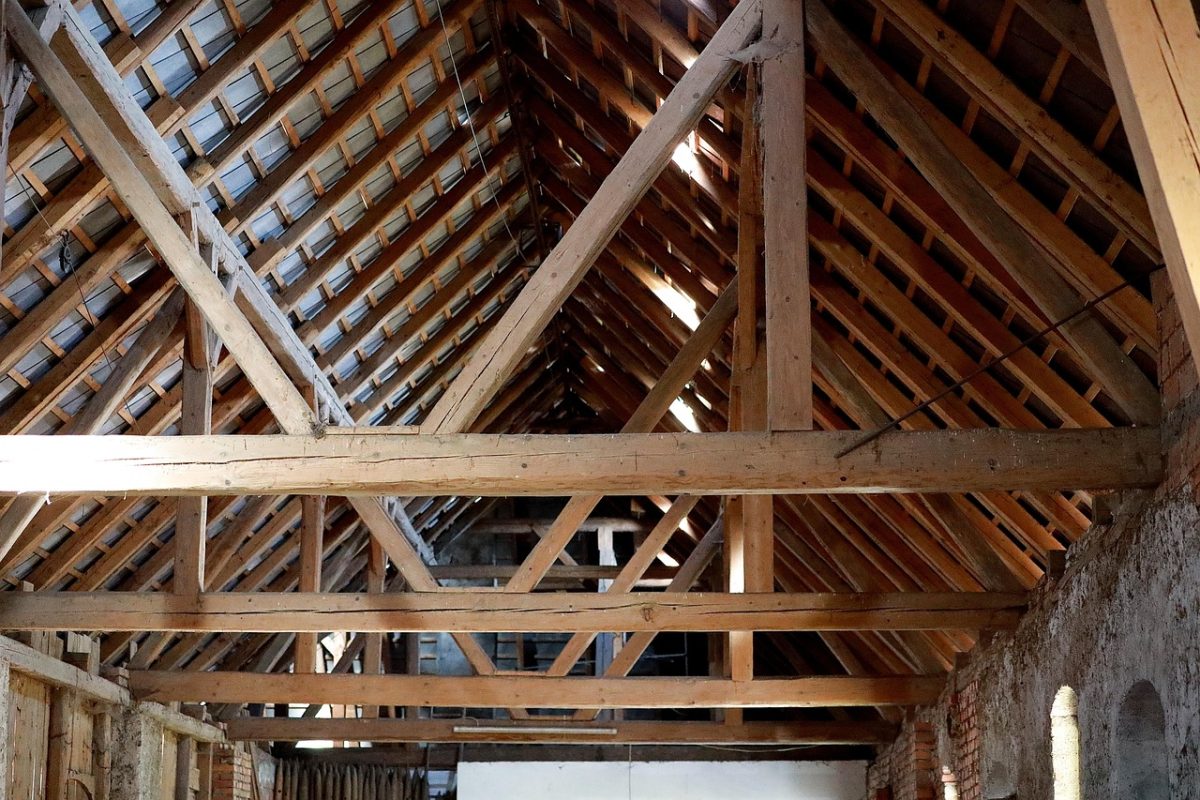
Roof decking plays a critical role in the structural integrity of a roof. It serves as the foundation that supports shingles, underlayment, and other roofing materials. Ensuring that the decking is in good condition during a roof replacement is just as important as installing high-quality shingles. The entire roof system may be compromised if the decking is weak, damaged, or improperly installed. Many homeowners may not realize the significance of this layer as it is hidden beneath the visible roofing materials. However, ignoring issues with roof decking can lead to leaks, energy inefficiency, and premature roofing failures. We will explore why roof decking is an essential part of any roof replacement, how it impacts the overall performance of a roof, and what to look for when assessing its condition. A strong, well-installed roof decking system ensures that a home remains protected from weather and structural damage for years.
Benefits of roof decking in roof replacement
-
Providing Structural Support for the Roofing System
Roof decking is the foundation that holds the roofing materials in place, distributing weight evenly across the structure. Without a stable base, shingles, tiles, or metal panels would not have the support to withstand heavy winds, rain, or snow. If the decking is weak, it may lead to sagging, uneven surfaces, or even structural failure in severe cases. Properly installed decking ensures that the roof remains sturdy under different weather conditions.
Roof decking is typically made from plywood or oriented strand board (OSB), providing durability and flexibility. These materials are chosen for their ability to resist moisture while offering sufficient strength to support the roof’s weight. If the decking is installed incorrectly or with substandard materials, it may lead to long-term structural problems that are costly to fix. Ensuring that the right materials are used during a roof replacement prevents unnecessary repairs and extends the roofing system’s lifespan.
The quality of the roof decking also affects the performance of the entire structure. A poorly supported roof can cause shingles to shift, leading to gaps that allow water infiltration. Over time, this can result in rot, mold growth, and structural instability. By prioritizing the condition of the roof decking, homeowners can prevent these issues and ensure their roofing system remains durable and functional.
-
Preventing Water Damage and Moisture-Related Issues
One of the main functions of roof decking is to provide a moisture-resistant barrier between the roofing materials and the attic or interior spaces. If the decking is damaged or deteriorating, water can seep through, leading to leaks and structural issues. Water infiltration damages the roof itself and can lead to mold growth and weakened wooden structures inside the home.
When replacing a roof, a roofing installation contractor in Prattville inspects the decking for signs of water damage, rot, or warping. Any sections showing deterioration must be replaced before new shingles or underlayment are installed. If these issues are ignored, the new roof may not perform as expected, leading to premature failure. Replacing damaged decking ensures moisture does not penetrate the home, keeping the attic and insulation dry.
Proper ventilation also helps prevent moisture-related problems in roof decking. If the attic lacks adequate airflow, trapped humidity can cause condensation to form on the underside of the decking. Over time, this leads to wood rot and weakens the roof’s structural integrity. A well-ventilated attic, combined with properly installed decking, reduces the risk of moisture buildup and prolongs the lifespan of the entire roofing system.
-
Improving Energy Efficiency and Insulation Performance
A well-constructed roof decking system contributes to a home’s overall energy efficiency. When properly installed, decking helps regulate indoor temperatures by providing a stable foundation for insulation and reflective materials. Gaps, cracks, or deteriorating sections in the decking can create thermal leaks, allowing heat to escape in the winter and enter during the summer. This forces heating and cooling systems to work harder, increasing energy consumption and utility costs.
Ensuring that the decking is in good condition during a roof replacement allows for better insulation and heat retention. If the decking has gaps or uneven surfaces, it may reduce the effectiveness of insulation and lead to temperature fluctuations inside the home. Replacing or reinforcing damaged decking provides a solid base for underlayment and shingles, helping maintain indoor comfort while reducing energy waste.
Reflective roofing materials, such as cool roof coatings or radiant barriers, rely on a stable decking system for maximum efficiency. These materials help reflect sunlight and reduce heat absorption, but they are only effective if adequately supported. Ensuring that roof decking is structurally sound enhances the performance of these energy-efficient roofing options, leading to long-term savings and increased comfort.
Roof decking is the foundation of a roofing system, providing structural support, preventing water damage, and improving energy efficiency. Shingles and other roofing materials may not perform as expected without a solid decking base, leading to leaks, temperature fluctuations, and premature deterioration. Inspecting and reinforcing decking during a roof replacement ensures the new roof remains durable and reliable for years.
Strong roof decking contributes to a more secure and comfortable home by preventing moisture infiltration, ensuring proper ventilation, and maintaining energy efficiency. Regular inspections and maintenance further enhance the roof’s longevity, reducing the need for costly repairs. Investing in high-quality roof decking during a roof replacement provides long-term benefits, protecting the property and improving overall structural performance. Proper attention to this crucial component ensures that a roofing system functions effectively, offering protection and efficiency for the long term.