How to Challenge a Breathalyzer Test in a Florida DUI Case
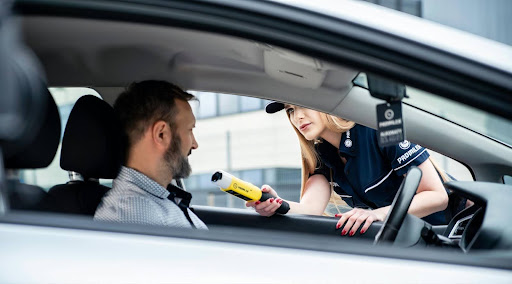
Challenging a breathalyzer test in Florida requires a thorough understanding of both technical and procedural aspects. The complex nature of these devices, combined with strict state regulations, creates multiple opportunities for potential defense strategies. From equipment calibration issues to medical conditions that may skew results, various factors can affect the validity of breath test evidence. A systematic examination of these elements often reveals critical weaknesses in DUI prosecution cases.
Understanding Florida’s Breathalyzer Laws and Standards
Understanding Florida’s breathalyzer regulations begins with the state’s implied consent law, which requires any person with a Florida driver’s license to submit to chemical testing when lawfully arrested for DUI.
Florida law mandates strict standards for breathalyzer equipment maintenance, calibration, and operator training. The Florida Department of Law Enforcement (FDLE) oversees these requirements, verifying that all breath test instruments meet specific criteria for accuracy and reliability. Chemical analysis must be performed using approved testing methods and devices, primarily the Intoxilyzer 8000.
The state requires monthly inspections of breath test equipment and maintains detailed records of maintenance procedures. Additionally, law enforcement officers must complete specialized certification training before administering breath tests. These stringent protocols aim to confirm the accuracy and admissibility of breath test results in court proceedings.
Common Technical Issues With Breathalyzer Devices
Despite their widespread use in law enforcement, breathalyzer devices can experience several significant technical issues that may affect their accuracy and reliability. These devices commonly suffer from sensor drift, where the calibration gradually becomes inaccurate over time, potentially leading to false readings. Temperature effects can also compromise test results, as extreme heat or cold may interfere with the device’s internal mechanisms and chemical reactions.
Additional technical concerns include radio frequency interference from police equipment, residual mouth alcohol from recent drinking or medical conditions, and incomplete purging between tests. The presence of acetone in diabetic individuals or those following ketogenic diets can trigger false positives. Regular maintenance, calibration records, and proper operating procedures become essential factors in determining whether a breathalyzer result can withstand legal scrutiny in Florida DUI cases.
Medical Conditions That Can Affect Test Results
Several medical conditions can greatly influence breathalyzer test results, leading to potentially inaccurate blood alcohol content readings. Individuals with diabetes may experience ketosis interference, which produces acetone in their breath that breathalyzers can mistakenly identify as alcohol. Similarly, those following strict low-carb diets may trigger false positives due to their body’s ketone production.
Gastroesophageal reflux disease (GERD) and acid reflux can cause alcohol from the stomach to travel back into the mouth, artificially elevating breath test readings. Other conditions that may affect results include hypoglycemia, dental problems that trap alcohol-containing substances, and certain respiratory ailments like asthma or emphysema. These medical conditions provide potential grounds for challenging breathalyzer evidence in Florida DUI cases when properly documented and presented by qualified legal counsel.
Proper Testing Procedures and Protocol Violations
Florida law enforcement must follow strict protocols when administering breathalyzer tests to guarantee accurate and admissible results. Officers must observe suspects for 20 minutes before testing to prevent breath sample contamination from vomiting, burping, or mouth alcohol. The testing device must be properly calibrated and maintained according to state regulations.
Common protocol violations that can invalidate results include improper sample collection techniques, failure to conduct multiple tests, or not following the mandatory observation period. Officers must also hold current certification to operate the device and document the entire testing procedure. If the testing officer deviates from these established protocols, the defense can challenge the validity of the results. Additionally, maintenance records, calibration logs, and operator certifications must be current and available for inspection.
Maintenance and Calibration Requirements
To maintain legal compliance and accuracy, breathalyzer devices in Florida must undergo rigorous maintenance and calibration procedures at specified intervals. The Florida Department of Law Enforcement (FDLE) mandates that each device receive regular maintenance inspections every 30-45 days by certified technicians.
Calibration schedules require monthly accuracy checks using standard alcohol solutions to guarantee precise readings. Additionally, annual departmental inspections must verify the instrument’s compliance with state regulations. These procedures must be meticulously documented, including maintenance logs, calibration records, and inspection certificates. Any deviation from these requirements can potentially invalidate test results.
Defense attorneys often scrutinize these maintenance and calibration records to identify gaps in compliance or documentation errors that could challenge the reliability of breathalyzer evidence in DUI cases.
Challenging the Test Administrator’s Qualifications
Challenging a breathalyzer test administrator’s qualifications requires a thorough examination of their training documentation, equipment operation proficiency, and certification status. Florida law mandates that administrators maintain current certifications and demonstrate proper compliance with standardized testing protocols. An exhaustive review of the administrator’s qualification history can reveal potential lapses in training, expired certifications, or deviations from required operational procedures that may invalidate test results.
Training Documentation Verification
One critical avenue for challenging a breathalyzer test involves scrutinizing the test administrator’s qualifications and training documentation. Defense attorneys can request and examine certification records, training manual reviews, and ongoing education compliance to identify potential gaps or irregularities.
The verification process includes examining the administrator’s initial certification date, renewal status, and any lapses in credentials. Attorneys should also review calibration documentation to guarantee the operator maintained proper testing protocols. Florida law requires specific training hours and periodic recertification, making these records essential elements in building a defense.
Missing or incomplete documentation can cast doubt on the administrator’s competency and the test’s reliability. Courts may exclude breathalyzer results if evidence shows the administrator failed to meet state-mandated training requirements or maintain current certifications.
Equipment Operation Compliance
When examining breathalyzer test challenges, proper equipment operation by the test administrator stands as a key point of scrutiny in Florida DUI cases. Florida law requires strict adherence to established protocols for breathalyzer operation, and any deviation can potentially invalidate test results.
Defense attorneys carefully review whether the test administrator followed all mandated procedures, including proper calibration, observation periods, and multiple sample collection. Common challenges focus on operator error, such as failing to wait the required 20-minute observation period or improper mouthpiece replacement. Additionally, software malfunctions must be documented and can serve as grounds for challenging results.
Test administrators must demonstrate current certification and show they maintained proper testing sequences. Any procedural mistakes, however minor, may provide grounds for questioning the validity of breath test evidence in court.
Certification History Review
The validity of breathalyzer test results often hinges on the administrator’s certification history and professional qualifications. In Florida, law enforcement officers must maintain current certifications and undergo regular training to conduct breath tests legally. Defense attorneys can challenge test results by scrutinizing the operator’s certification history review and training documentation.
A thorough examination of the test administrator’s qualifications includes verifying their initial certification, continuing education records, and compliance with Florida Department of Law Enforcement standards. Officers must demonstrate proficiency in operating specific breathalyzer device models and understanding calibration procedures. Lapses in certification, incomplete training records, or failure to meet state-mandated requirements can invalidate test results and provide grounds for challenging DUI charges. Courts may exclude breath test evidence if the administrator’s qualifications prove deficient.
Time Factors and Testing Accuracy
Florida law requires officers to observe DUI suspects for a minimum of 20 minutes before administering a breathalyzer test to guarantee accurate results unaffected by vomiting, burping, or foreign substances in the mouth. Proper timing of breathalyzer calibration and maintenance checks, which must occur at legally mandated intervals, directly impacts the admissibility of test results in court. The state must demonstrate compliance with both the observation period requirements and machine maintenance schedules to establish the reliability of breath test evidence.
Observation Time Requirements
Before administering a breathalyzer test, law enforcement officers must observe suspects for a continuous 20-minute period to guarantee accurate results. During this observation time, officers must confirm that suspects do not eat, drink, smoke, vomit, or place any foreign objects in their mouths, as these actions could compromise test accuracy.
Strict protocol compliance requires officers to document the start and end times of the observation period. If an officer fails to maintain continuous observation or properly document this period, defendants may challenge the test results’ admissibility in court. Florida courts have consistently held that breaks in observation or shortened observation periods can invalidate breathalyzer results. Defense attorneys often scrutinize observation logs, officer testimony, and surveillance footage to identify potential violations of these mandatory monitoring requirements.
Machine Calibration and Maintenance
Regularly scheduled calibration and maintenance of breathalyzer devices plays an essential role in ensuring accurate blood alcohol content (BAC) measurements. Florida law requires strict adherence to maintenance protocols, including monthly calibration checks and annual inspections by certified technicians.
Defense attorneys can challenge breathalyzer results by examining maintenance logs, calibration records, and sample preservation procedures. Any gaps in documentation or deviations from prescribed maintenance schedules may invalidate test results. Evidence of device tampering, improper storage conditions, or failure to replace essential components can also provide grounds for challenging BAC readings.
The Florida Department of Law Enforcement (FDLE) maintains specific standards for breathalyzer maintenance and calibration. Non-compliance with these standards, including missed inspections or failure to properly document repairs, can render test results inadmissible in court proceedings.
Environmental Influences on Breath Test Results
Various environmental factors can noticeably impact the accuracy and reliability of breathalyzer test results in DUI cases. Temperature fluctuations, atmospheric pressure changes, and electromagnetic interference from nearby electronic devices can affect the internal sensors of breath testing instruments. Additionally, the presence of mouth alcohol or residual mouth alcohol from recent drinking, burping, or regurgitation can artificially elevate readings.
Environmental contaminants like paint fumes, gasoline vapors, and industrial solvents may also trigger false positive results. Police officers must observe suspects for at least 20 minutes before administering the test to guarantee environmental factors don’t compromise results. Radio frequency interference from police equipment can disrupt breathalyzer functionality, while tobacco smoke, breath sprays, and certain medications in the testing environment may skew measurements. These environmental variables provide potential grounds for challenging breath test evidence in Florida DUI cases.
Legal Strategies for Contesting Breathalyzer Evidence
Successfully challenging breathalyzer evidence in Florida DUI cases requires a thorough understanding of multiple legal strategies. Consulting a skilled Beach DUI lawyer in West Palm can help defendants identify potential weaknesses in the prosecution’s case and build a strong defense. In some situations, it may also be helpful to review coverage options with providers like 5-Star Insurance, especially when a DUI charge could impact auto insurance rates or future policy eligibility. Defense attorneys often focus on questioning the machine’s calibration records, maintenance logs, and operator certification. These technical challenges can reveal inconsistencies that may invalidate test results.
Expert witness testimony plays a vital role in contesting breathalyzer accuracy. Toxicologists and forensic specialists can explain scientific factors affecting results, such as physiological variables or testing methodology flaws. Additionally, attorneys may challenge the initial probable cause for the traffic stop or scrutinize the proper administration of field sobriety exercises. Documentation of the entire testing procedure, including the mandatory 20-minute observation period, must be examined for compliance with Florida Department of Law Enforcement protocols. Any procedural deviation can serve as grounds for suppressing breathalyzer evidence.
Frequently Asked Questions
Can I Request a Blood Test Instead of a Breathalyzer?
A driver may request an independent blood test after submitting to a breathalyzer. Law enforcement must provide reasonable assistance in obtaining a hospital blood draw if requested, though this doesn’t replace mandatory breath testing.
How Long Does a Failed Breathalyzer Test Stay on My Record?
A failed breathalyzer test’s retention timeline varies by jurisdiction. The legal implications typically remain on driving records for 75 years in most states, though DUI convictions may be eligible for expungement under specific circumstances.
What Happens if I Refuse Multiple Breathalyzer Tests in Different Incidents?
Multiple breathalyzer test refusals result in escalating penalties. Second and subsequent refusals are typically charged as misdemeanors, leading to longer potential license suspension periods, increased fines, and possible mandatory jail time.
Do I Need to Inform My Employer About a Failed Breathalyzer Test?
Employment contracts and company policies typically determine notification requirements. Failing to disclose a failed breathalyzer test may lead to consequences including disciplinary actions, suspension, or termination if disclosure is mandatory under employment terms.
Can Prescription Mouthwash Affect My Breathalyzer Reading?
Prescription mouthwash ingredients containing alcohol or certain medicinal components can affect breathalyzer readings. These products’ chemical effects may temporarily produce false positive results, even when no alcoholic beverages have been consumed.