The Importance of Proper HVAC Maintenance for Your Business
A comfortable indoor environment plays a key role in maintaining smooth operations within any commercial space. Whether it’s a retail store, office building, restaurant, or warehouse, climate control affects employees, customers, and the equipment that keeps your business running. When heating, ventilation, and air conditioning systems are neglected, they begin to show signs of strain, leading to higher operational costs and inconsistent performance. Routine maintenance helps keep these systems running steadily, avoiding costly disruptions and extending their lifespan.
HVAC maintenance goes beyond changing filters every few months. It involves a consistent strategy to inspect, clean, repair, and upgrade system components before they become sources of trouble. The following sections explore how attention to your commercial HVAC system impacts different facets of your business, starting with the one that shows up first on your energy bills.

Improved Energy Efficiency
When HVAC systems are maintained regularly, they consume less energy to produce the same results. Dirt-clogged filters, blocked vents, and worn-out components place extra strain on the unit, forcing it to work harder and stay on longer to maintain temperature levels. In the middle of this process, having a reliable service for commercial units becomes essential. A skilled technician doesn’t just clean and replace parts—they check for inefficiencies and make small adjustments that can have a measurable impact on energy use.
Small problems, such as low refrigerant levels or loose electrical connections, often go unnoticed without maintenance. Left unchecked, they compromise the system’s ability to regulate airflow and temperature. This not only raises utility costs, but it can also reduce indoor air quality. Businesses that commit to scheduled inspections and timely tune-ups often see significant energy savings over time. A more efficient system uses fewer resources, creates less environmental impact, and contributes to the long-term financial health of the business.
Longer Equipment Lifespan
A commercial HVAC system is a major investment, and every additional year it serves without failure offers value. Maintenance plays a large part in avoiding premature system replacement. When motors, belts, coils, and other components receive attention on a regular basis, they function more smoothly. The wear and tear that would otherwise build up slowly over months is addressed before it turns into a breakdown.
Neglected systems often face cascading failures. For instance, when a clogged air filter causes the system to overheat, the motor may burn out. Replacing a single part is much easier than dealing with damage that spreads to other components. A technician who knows the unit’s maintenance history can spot patterns and offer recommendations to reduce future strain. Investing in upkeep reduces the need for emergency repairs and extends the useful life of your equipment.
Consistent Indoor Comfort
Customer satisfaction and employee productivity often depend on a comfortable environment. Uneven temperatures, strange noises, or sudden breakdowns disrupt operations and can leave lasting negative impressions. Regular maintenance helps avoid these surprises by keeping systems balanced and responsive.
Ducts, thermostats, and dampers all work together to distribute air evenly. When one part starts to underperform, the entire system can feel off-balance. Technicians can fine-tune airflow, replace failing sensors, and correct miscalibrated thermostats so that heating and cooling remain stable across all zones of a commercial building.
Improved Air Quality
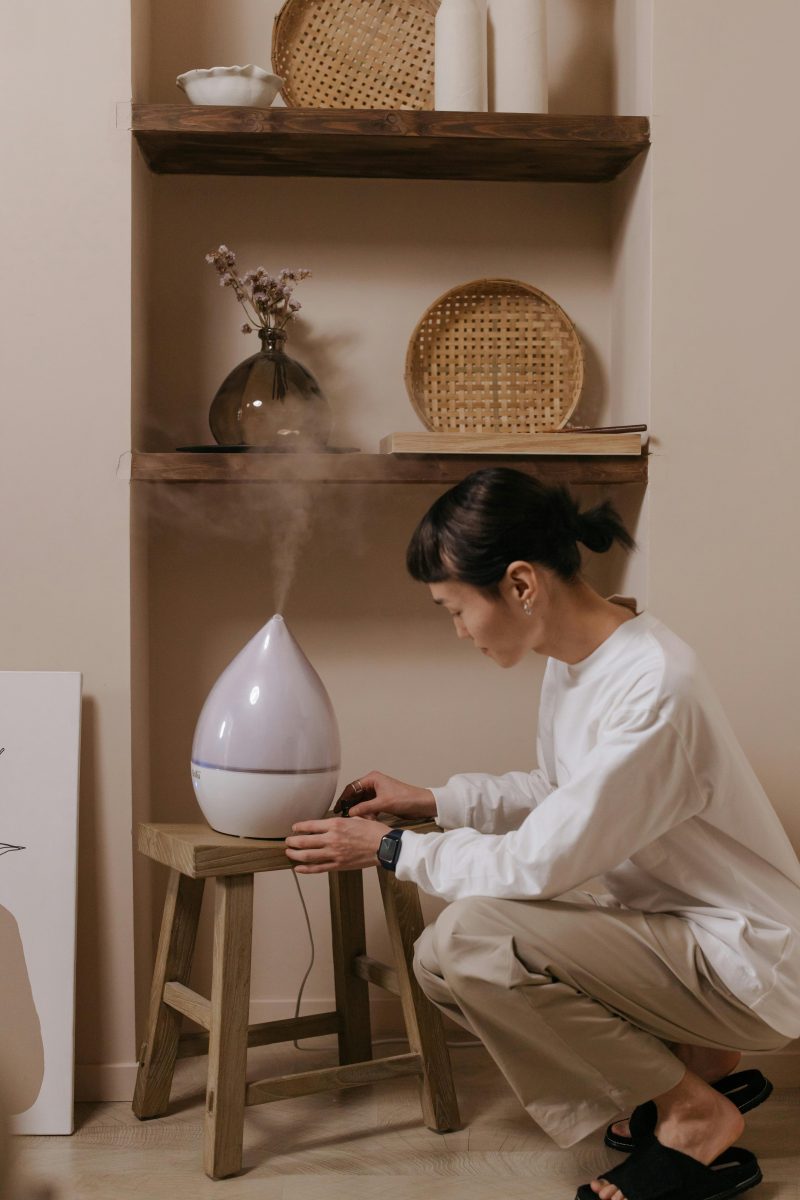
Air quality often goes unnoticed until it becomes a problem. Dust, mold, pollen, and other airborne particles collect in ducts, filters, and vents when a system isn’t cleaned routinely. These contaminants can trigger allergies, increase illness-related absences, or affect people with respiratory conditions.
HVAC maintenance includes cleaning ductwork, inspecting for mold buildup, and replacing filters that catch fine particles. High-efficiency filters can be used to capture smaller particles, but they only work if they’re replaced on schedule. Technicians also monitor humidity control, crucial for preventing mold growth and maintaining breathable air.
Poor air quality affects not just people, but equipment, too. Excessive dust can settle into computers, printers, and machinery, reducing performance or shortening lifespans. Clean air supports healthier staff, cleaner workspaces, and fewer disruptions caused by environmental issues.
Reduced Risk of Unexpected Breakdowns
Few things are more disruptive than an HVAC system that stops working without warning. Emergency repairs are more expensive and often take longer to arrange, especially during peak seasons when technicians are in high demand. Businesses may be forced to close temporarily or operate at reduced capacity.
Scheduled maintenance reduces the likelihood of surprise failures. During a check-up, technicians can identify warning signs that would be easy to miss, like a part vibrating more than usual, refrigerant leaks, or abnormal temperature swings. Fixing a worn fan belt during routine maintenance is far less costly than replacing a burned-out motor during an emergency call.
By addressing issues when they’re small, businesses avoid the stress of sudden system shutdowns. Reliable HVAC operation also supports better planning and budgeting, since maintenance costs are more predictable than surprise repairs.
Preventative care is rarely exciting, but its impact is hard to ignore when the bills are lower, the building runs smoothly, and operations remain uninterrupted. HVAC maintenance isn’t a luxury—it’s a smart habit that protects your investment and supports your goals.