Is Hair Loss Reversible? 6 Things You Should Know
Hair loss can be a deeply personal and distressing experience, affecting self-confidence and daily life. Whether it’s a receding hairline, thinning at the crown, or sudden shedding, the question on most people’s minds is simple: Can it be reversed? The answer depends on several factors, including the cause, how early the issue is addressed, and what treatment options are pursued.
Modern advancements in dermatology and hair restoration mean that many types of hair loss are manageable, and in some cases, reversible. Understanding the nuances is important. Here are six important things to know about reversing hair loss and regaining control over your appearance.

The Type of Hair Loss Matters
The first and most crucial factor in determining whether hair loss is reversible is identifying the type. Hair loss is not a one-size-fits-all condition. It ranges from genetic forms like androgenetic alopecia (commonly known as male or female pattern baldness) to temporary shedding caused by stress, illness, or hormonal fluctuations.
Telogen effluvium, a common form of temporary hair loss triggered by physical or emotional stress, can often resolve itself within a few months. On the other hand, scarring alopecia, which results in permanent damage to hair follicles, typically cannot be reversed.
Accurate diagnosis is the cornerstone of effective treatment. Consulting with a dermatologist or trichologist can help pinpoint the exact cause and determine whether the condition is reversible.
Medical Treatments Are Evolving
Today’s medical landscape offers a variety of solutions for hair loss, many of which have shown promising results. FDA-approved medications such as minoxidil (Rogaine) and finasteride (Propecia) are widely used and often effective in slowing or reversing certain types of hair loss.
Platelet-rich plasma (PRP) therapy, which involves injecting your own platelet-rich blood into the scalp, is gaining popularity for its ability to stimulate dormant follicles. Laser therapy is another non-invasive option that uses light energy to promote hair growth by enhancing blood flow to the scalp. If you’re unsure where to start, clinics that restore your hairline with professional expertise can help guide you through the options based on your unique needs and expectations. Hair transplants, while more invasive, remain a viable option for individuals with advanced hair loss. They offer permanent results when performed by experienced professionals using modern techniques such as follicular unit extraction (FUE).
Early Intervention Is Critical
Hair loss that is caught early stands a much better chance of being reversed or at least significantly slowed down. Once a hair follicle has become dormant or has been damaged over an extended period, it becomes harder to stimulate regrowth.
Recognizing warning signs like increased hair in the shower drain, noticeable thinning, or a widening part should prompt action. The sooner you seek treatment, the more options you will have, and the better the results are likely to be.
Over-the-counter products, prescription medications, and professional therapies are all more effective when hair loss is in its initial stages. Ignoring the problem, on the other hand, can limit your options later on.
Lifestyle Factors Play a Role
Not all hair loss stems from genetics or aging. In fact, lifestyle choices can significantly influence hair health. Diets lacking nutrients such as iron, vitamin D, or protein can lead to weakened follicles and hair thinning. Similarly, chronic stress and poor sleep patterns can disrupt the natural hair growth cycle.
Incorporating a balanced diet, regular exercise, and stress-reducing practices like yoga or meditation can contribute to hair wellness. Avoiding harsh hair treatments, tight hairstyles, and heat styling tools helps prevent additional damage.
Lifestyle modifications alone may not reverse hair loss completely, but they can create the ideal environment for regrowth when paired with targeted treatments.
Expectations Should Be Realistic
While it’s encouraging to know that hair loss can be addressed, it’s important to set realistic expectations. No treatment offers instant results, and some regrowth therapies take months to show visible improvement.
Not all areas of the scalp will respond equally to treatment. The goal is to maintain existing hair and encourage new growth in weaker areas, not necessarily to restore a full, youthful hairline overnight.
Consistent use, patience, and follow-up with a professional are key elements of any hair restoration plan. Tracking progress through photos and scalp assessments can help adjust treatments and maintain motivation.
Professional Guidance Makes a Difference
Trying to manage hair loss alone can be frustrating and confusing, especially given the overwhelming number of products and “miracle” solutions on the market. The expertise of a licensed dermatologist or hair restoration specialist is invaluable.
Professionals can conduct scalp biopsies, blood tests, and other diagnostics to uncover underlying issues. They’ll help you distinguish between temporary shedding and permanent hair loss, recommending the most effective and evidence-based solutions.
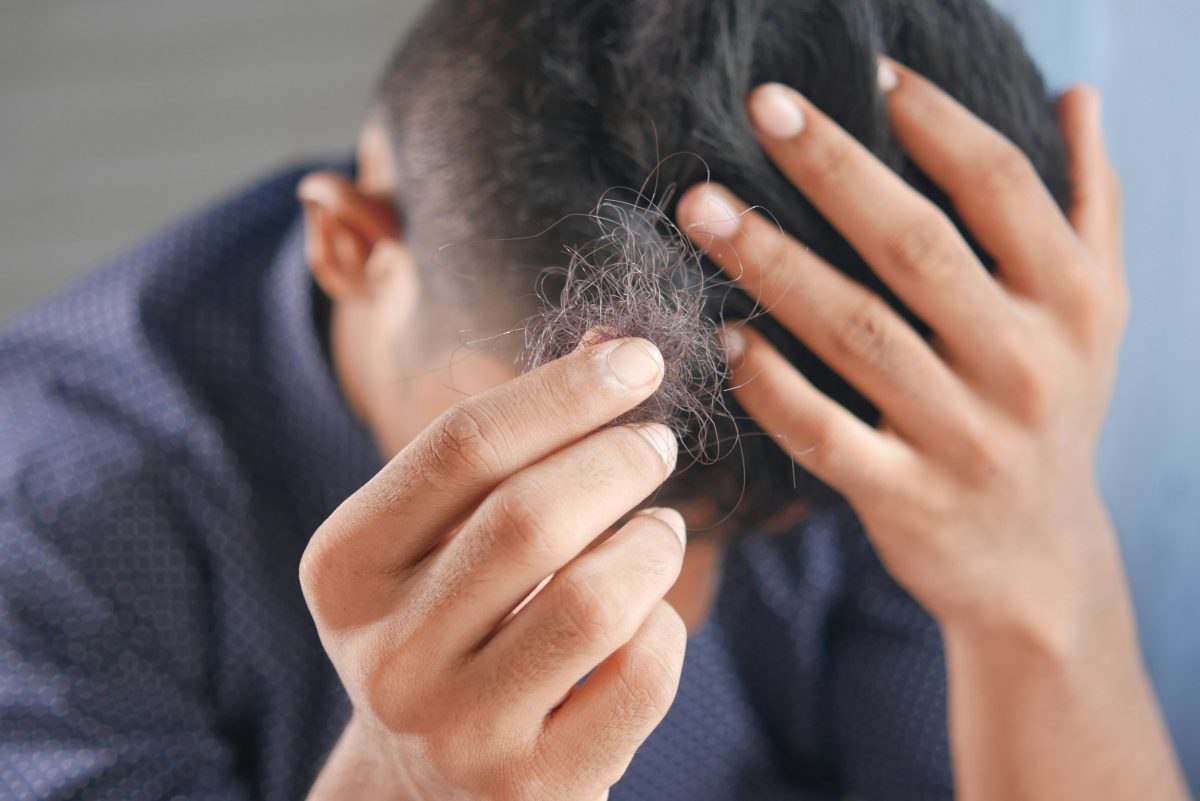
Hair loss doesn’t have to be a lifelong struggle. While not every case is reversible, many forms of hair loss can be treated successfully with early intervention, lifestyle changes, and the right medical approach.
Understanding your hair loss, managing expectations, and taking a proactive approach will empower you to make informed choices. With the right guidance, achieving healthier, fuller hair may be well within reach.