How to Keep Your Business Dry and Damage-Free
Water damage doesn’t wait for a convenient time. Whether it’s a storm rolling in or a slow leak that’s gone unnoticed, water can be one of the most expensive and disruptive problems a business faces. Protecting your premises from water-related issues isn’t just about fixing things once they’re broken. It’s about preparation, awareness, and proactive care. Every season brings its own challenges, and each building has unique vulnerabilities. For any business hoping to stay operational and avoid expensive repairs, taking steps to stay dry and damage-free should be part of the routine maintenance plan.

Start at the Top: The Roof’s Role in Protection
Every layer of a building’s structure plays a part in keeping things safe and dry, but the roof is often the first line of defense. Rain, snow, hail, wind-driven debris, everything hits the roof first. Over time, wear and tear can create small breaches that allow water to seep in. In the middle of assessing overall building maintenance, few priorities are more critical than addressing weaknesses up high. Seeking professional roof repair for businesses helps ensure that your property remains sealed against the elements. Water can creep in through the tiniest crack or shift in a roofing membrane. If those issues aren’t identified and corrected, they can turn into major leaks, interior damage, and even structural decay. Regular inspections can catch early signs of deterioration, like bubbling under membranes, cracked flashing, or missing shingles. When caught early, repairs are often less invasive and more cost-effective. Leaving roof problems until they become obvious can lead to soaked insulation, damaged inventory, and a need for major renovations.
Drainage Systems: Keeping Water Moving
If the roof is your first barrier, your drainage system is the critical partner that carries water safely away. Gutters, downspouts, and storm drains play an often-overlooked role in keeping your property damage-free. When these systems become clogged or misaligned, water collects in places it shouldn’t. That standing water has nowhere to go but down, into ceilings, walls, or basements. Overflow can wear away facades, flood entrances, and freeze into ice hazards in colder months.
Regular cleaning, inspection, and alignment of gutters should be part of your seasonal checklist. Look for signs like rust streaks, water marks on walls, or erosion near the building’s foundation. These are all red flags that water isn’t being properly diverted. If your building has flat roofing, check scuppers and internal drainage systems, which are more prone to hidden blockages. It doesn’t take a torrential storm to trigger trouble, just one blocked outlet during average rainfall.
Windows and Doors: The Weakest Points
Windows and doors often invite water in, especially during storms with strong wind pressure. If frames aren’t properly sealed, or the caulking has cracked with age, water can easily trickle into your business. That slow seepage is difficult to notice at first. You might find signs like warped wood, discoloration on walls, or a musty smell in nearby rooms. Even commercial-grade frames are vulnerable if maintenance is ignored.
Double-check the weather stripping around every door, especially on loading docks or emergency exits where sealing tends to wear out faster. Examine window panes and sills after heavy weather. Don’t assume new installations are immune, poor workmanship or rushed jobs often result in vulnerabilities that show up months later. Installing drip caps and sealing joints with industrial-grade products can help reduce long-term risks.
Interior Maintenance: Monitoring What You Can’t See
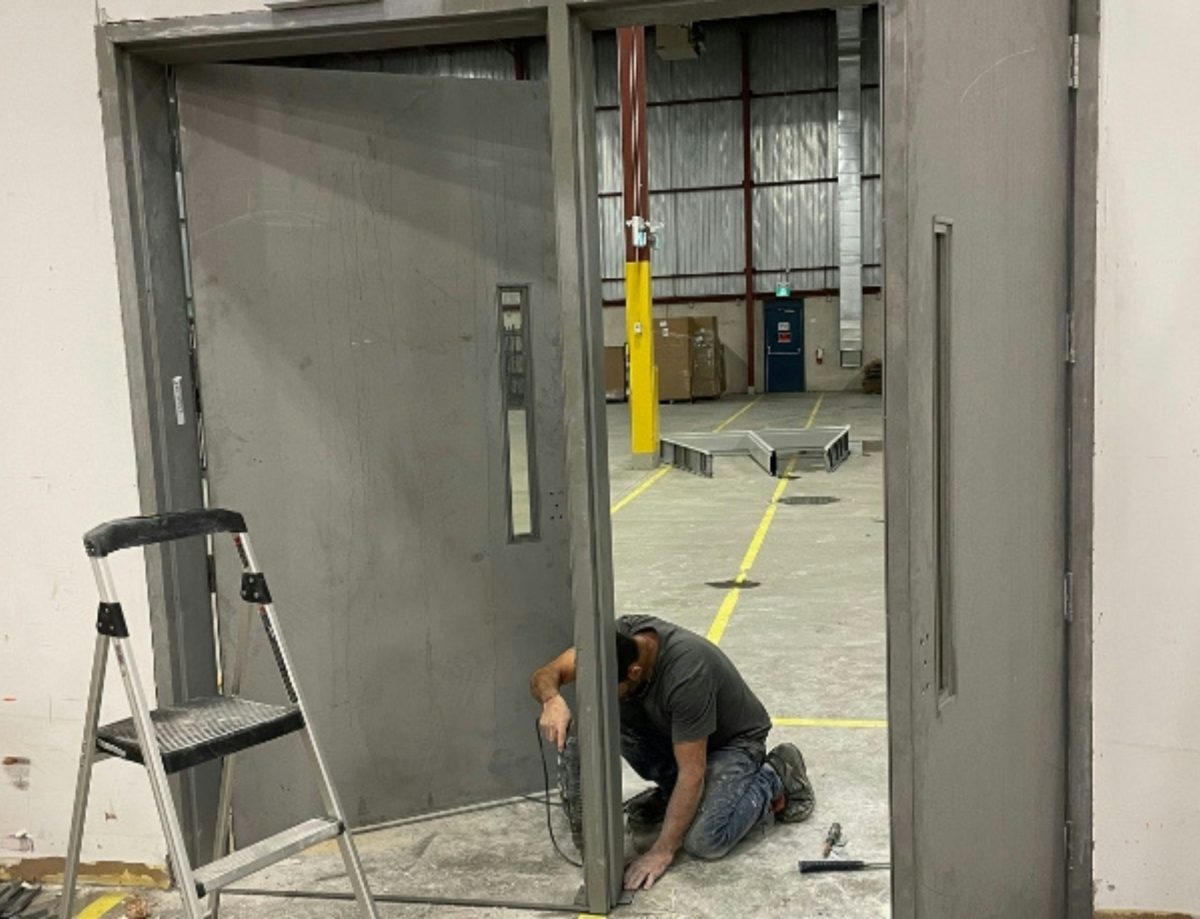
A surprising number of water-related issues originate inside the walls or under the floor. Pipes leak, HVAC systems sweat, and small issues escalate when no one is watching. Routine walkthroughs can prevent interior problems from turning into major repairs. Watch ceilings for sagging tiles or soft spots. Check for damp spots behind furniture and appliances. Uneven flooring or bubbling paint may indicate water hiding behind drywall.
Don’t rely only on visible signs. Commercial moisture meters are relatively inexpensive and can be used during monthly inspections to identify high-humidity zones. Keeping humidity levels in check reduces the chances of mold, mildew, and long-term rot. Schedule regular inspections of plumbing lines, especially in kitchens, restrooms, or anywhere equipment uses water.
HVAC systems deserve special attention. Units that aren’t draining properly can leak into ductwork or onto surrounding insulation. Drip pans, clogged condensate lines, and rusted coils often go unnoticed until they trigger a shutdown or leave behind significant damage.
Avoiding water damage isn’t about dramatic rescues or emergency fixes. It’s a commitment to regular inspection, thoughtful planning, and responsible maintenance. Encouraging a culture of awareness among staff only strengthens that protection. The steps aren’t glamorous, but they’re the kind that keep operations running smoothly, one inspection, one seal, and one quick report at a time.