How to Create a Brain Injury Recovery Plan

Recovering from a brain injury is a long and often complex process. A clear, personalized recovery plan can help you stay on track, work toward your goals, and adjust as your needs change. With the right approach, you can improve your chances of regaining independence and quality of life.
According to the University of Utah Health, about one in 60 people in the United States live with a disability related to a traumatic brain injury. This long-term impact underscores the need for recovery strategies that address medical treatment, emotional support, daily routines, and ongoing rehabilitation. (1)
Why a Recovery Plan Matters
A brain injury recovery plan is a roadmap that guides you through rehabilitation. It outlines the steps you’ll take, the professionals you’ll work with, and the goals you’ll aim for. Without a plan, it’s easy to feel overwhelmed and lose direction. Rehabilitation involves physical healing, regaining cognitive abilities, managing emotional health, and adapting to new challenges.
Medical professionals often start the process by creating a care outline based on your diagnosis. This becomes the foundation you can build on with personalized routines, therapies, and support systems.
Get a Professional Assessment
Your first step is a thorough medical evaluation. This helps determine the severity of the injury and the most effective treatments. You might work with neurologists, neuropsychologists, physical therapists, occupational therapists, and speech-language pathologists. Their assessments will guide your rehabilitation timeline and help set realistic expectations.
Alongside your medical evaluations, consider consulting a traumatic brain injury attorney. Legal guidance can help you secure compensation for treatment costs, lost income, and long-term care needs. Having an attorney on your team means you can focus on recovery while an expert handles the complex legal process.
Set Realistic and Measurable Goals
Breaking your recovery into achievable steps makes progress easier to track. Create both short-term and long-term goals. Short-term goals could include completing a set of daily exercises, attending all therapy sessions for the week, or improving memory recall. Long-term goals might focus on returning to work, driving again, or managing daily tasks independently.
Keep your goals specific and measurable. Instead of “improve walking,” try “walk unassisted for 10 minutes.” This approach makes progress more visible and motivating. Be flexible and willing to adjust if certain goals take longer than expected.
Build a Support Team
Recovery is rarely a solo journey. You’ll need a support network that includes family, friends, and caregivers. Assign roles so everyone knows how they can help. Some may handle transportation to appointments, while others assist with household chores or provide emotional support.
Clear communication between your support team and healthcare providers is essential. Regular updates ensure everyone is aligned and can respond quickly if your needs change.
Create a Daily Routine
Structure plays a big role in recovery. A consistent daily routine reduces stress, builds habits, and keeps you engaged in your rehabilitation. Your schedule might include therapy sessions, exercise, rest periods, and activities that challenge your mind.
Balance activity with rest. Overexertion can set back recovery, so listen to your body and adjust as needed. Keep your routine flexible enough to adapt to progress or setbacks.
Incorporate Rehabilitation Therapies
Rehabilitation can include different types of therapy, each supporting a specific part of recovery. Physical therapy works to improve mobility, build strength, and enhance coordination, while occupational therapy focuses on everyday tasks such as dressing or preparing meals. Speech therapy helps with language, communication, and cognitive skills. (2)
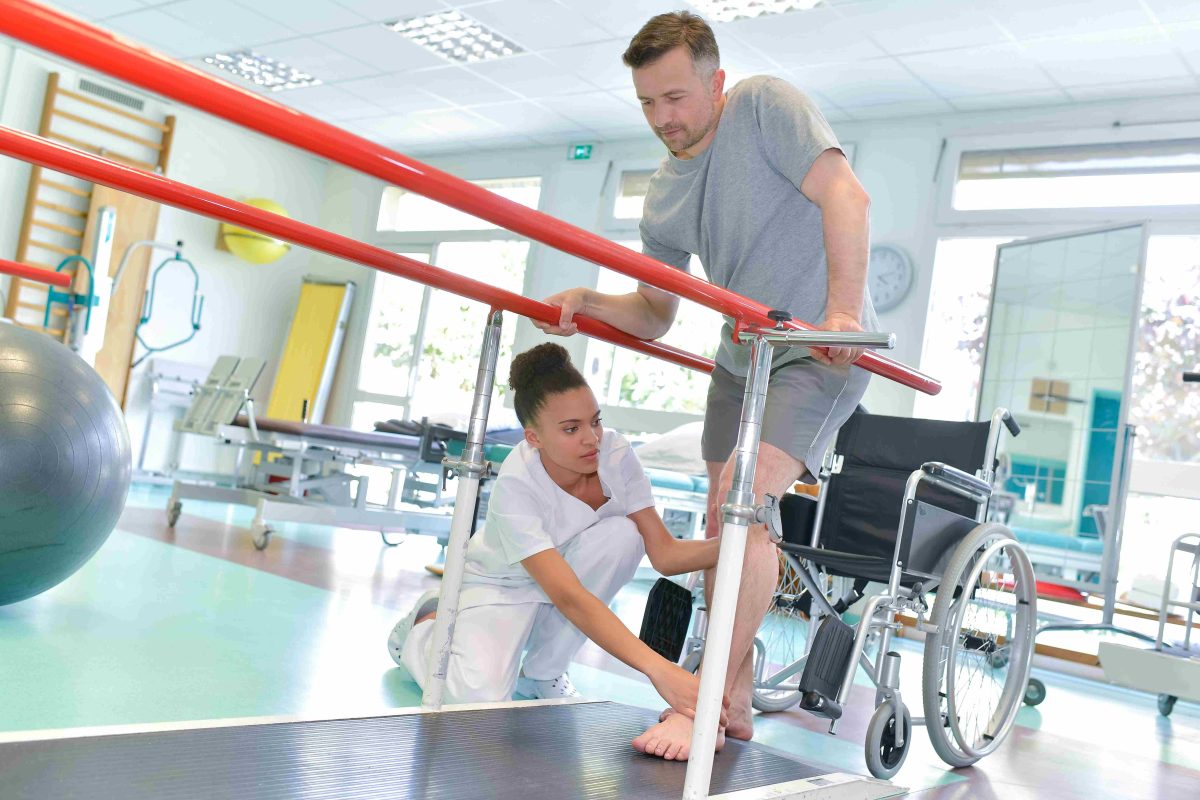
Track your progress in each area and communicate any changes to your therapists. They can adjust exercises or techniques to keep your recovery moving forward. Consistency matters. Even small, regular efforts at home can make a big difference.
Track Progress and Adjust the Plan
Use a journal, spreadsheet, or recovery app to document improvements and setbacks. Record details like therapy milestones, symptoms, and mood changes. This information helps you and your care team identify patterns and adjust strategies.
Recovery isn’t always a straight path. If you hit a plateau or notice regression, review your plan with your healthcare providers. They may suggest new approaches or therapies to overcome challenges.
Address Emotional and Mental Health
Emotional health is as important as physical recovery. Brain injuries can trigger depression, anxiety, frustration, or changes in personality. These challenges can be even harder to manage when they aren’t readily apparent to others.
Dr. Ian Crain, a neurologist with Banner Brain & Spine and director of the Banner Health Brain Injury Center, notes that many brain injury symptoms are invisible to others, which is why it’s sometimes called the “invisible injury.” Recognizing this reality can help you approach recovery with greater awareness and the right emotional support. (3)
Consider working with a counselor or psychologist who specializes in brain injury recovery. Support groups, both in-person and online, can connect you with others who understand what you’re going through. Mindfulness, breathing exercises, and relaxation techniques can also help you cope with stress.
Access Community Resources
Many communities offer resources for people recovering from brain injuries. These can include financial assistance programs, vocational rehabilitation services, and non-profit organizations offering counseling or respite care.
Check local and national organizations for information about your rights, benefits, and advocacy options. The right resources can ease the financial and emotional strain on you and your family.
Final Thoughts
A brain injury recovery plan gives you direction and a clear way to measure progress. With the right mix of expert support, personal commitment, and helpful resources, you can create a plan that fits your needs and adapts as you heal. Recovery takes time and persistence, but each improvement brings you closer to living as fully and independently as possible.
References:
1. “Long-Term Effects of Traumatic Brain Injury”, Source: https://healthcare.utah.edu/healthfeed/2025/02/long-term-effects-of-traumatic-brain-injury
2. “What Are the Types of Physical Therapy?”, Source: https://www.healthline.com/health/types-of-physical-therapy
3. “Navigating Recovery After a Brain Injury: A Guide for Patients”, Source: https://www.bannerhealth.com/healthcareblog/teach-me/navigating-recovery-after-a-brain-injury-a-guide-for-patients