How EV Technology is Changing the Future of Transportation
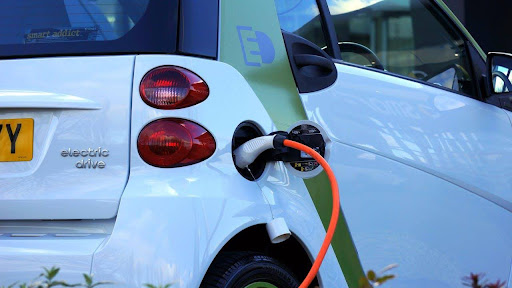
Electric Vehicle (EV) technology is revolutionizing the way we think about transportation. From reducing our carbon footprint to making cars smarter and more efficient, EVs are paving the way for a cleaner and more sustainable future. In this article, we’ll dive into how EV technology is transforming the transportation landscape and the implications it holds for the future.
The Rise of EV Stocks and Their Impact on the Industry
As electric vehicles become more mainstream, the demand for EV-related technologies is skyrocketing, which is reflected in the performance of EV stocks. Companies involved in manufacturing electric cars, batteries, and charging infrastructure are seeing significant growth. As a result, the stock market is buzzing with interest in these companies, attracting investors who want to capitalize on the shift towards cleaner transportation.
EV stocks are not just limited to car manufacturers like Tesla and Rivian. There are also opportunities in companies that produce the critical components for EVs, such as battery manufacturers and even those involved in charging networks. This shift in the market signals a broader change, not just in how cars are made but in how the entire transportation ecosystem is evolving.
Environmental Benefits of EVs: Driving a Sustainable Future
One of the most compelling reasons for the rapid rise of EVs is their positive impact on the environment. Traditional internal combustion engine (ICE) vehicles rely on fossil fuels, which emit harmful pollutants into the atmosphere, contributing to global warming and air pollution. EVs, on the other hand, run on electricity and have no tailpipe emissions, making them far cleaner for the environment.
In many regions, this environmental shift is reinforced by policy initiatives, where an electric car scheme helps accelerate adoption by aligning sustainability goals with practical incentives for cleaner mobility.
The widespread adoption of electric vehicles could significantly reduce greenhouse gas emissions and help mitigate climate change. As more regions around the world make the transition to EVs, this environmental benefit becomes even more apparent. Additionally, as the grid becomes greener with more renewable energy sources like solar and wind, EVs will become even cleaner, helping to create a more sustainable transportation future.
The Role of Autonomous Technology in EVs
Another exciting development in the world of EV technology is the integration of autonomous driving capabilities. Many electric vehicle manufacturers, including Tesla, are leading the way in developing self-driving technology. While fully autonomous cars are still in the testing phase, we’re already seeing significant advancements in driver assistance systems like Tesla’s Autopilot.
Imagine a world where cars are fully autonomous, reducing the need for parking spaces and making commuting more efficient. With the integration of AI and machine learning, EVs could potentially drive themselves, reducing human error and improving road safety.
Charging Infrastructure: Key to EV Adoption
For EVs to fully dominate the transportation sector, a widespread, accessible, and reliable charging infrastructure is essential. Historically, the limited number of charging stations has been one of the main obstacles to EV adoption. However, things are changing quickly. Governments and private companies alike are investing heavily in building out charging networks to ensure that EV owners can conveniently charge their vehicles, no matter where they are.
In major cities, we’re seeing more charging stations popping up in parking garages, shopping centers, and even on the street. As charging infrastructure becomes more ubiquitous, people will be less concerned about range anxiety (the fear of running out of battery power before finding a charging station). In addition, innovations like fast-charging stations are drastically reducing the time it takes to charge an EV, making them even more practical for everyday use.
The Future of EVs: What’s Next?
Battery technology is advancing rapidly, which will lead to longer driving ranges and faster charging times. Companies are also working on creating more sustainable, recyclable batteries, which will help address concerns about the environmental impact of battery production and disposal.
Additionally, the integration of 5G technology could make EVs smarter and more connected than ever before. Imagine a car that can automatically update its software, communicate with nearby vehicles to improve traffic flow, or even predict maintenance needs before they become a problem.
The shift toward electric vehicles isn’t just a trend, it’s a major transformation in how we think about transportation. The combination of cleaner energy, technological advancements, and growing infrastructure is setting the stage for a future where EVs dominate the roads.
Conclusion
EV technology is undeniably changing the future of transportation. From cleaner, greener vehicles to smarter, autonomous driving capabilities, electric vehicles are revolutionizing how we get from point A to point B. As EV stocks continue to perform well and the technology becomes more advanced, it’s clear that electric vehicles are here to stay. Whether you’re considering an investment in the market or simply looking for a more sustainable way to get around, EVs offer exciting possibilities for the future of transportation.