Why Prevention Is Key: Advice from Your Dentist
A healthy smile is more than a beautiful smile—it’s an integral part of your overall health. From chronic disease prevention to healthcare cost savings, preventive dental care is critical to a healthy lifestyle.
Although most individuals visit the dentist only when they have a problem, with regular visits, good hygiene practices, and early intervention, you can avoid pain, costly treatment, and more complicated procedures in the future.
Prevention is not merely a matter of clean teeth—it’s a matter of keeping your gums, bones, and body clear of such afflictions as gum disease, tooth decay, infections, and even heart disease. As any dentist would say, the ideal dental care is the kind you never require.
This article will inform you in detail why prevention is the way to go and offer useful tips to keep your teeth and health in good condition for a lifetime.
1. Early Detection Saves Time, Money, and Pain
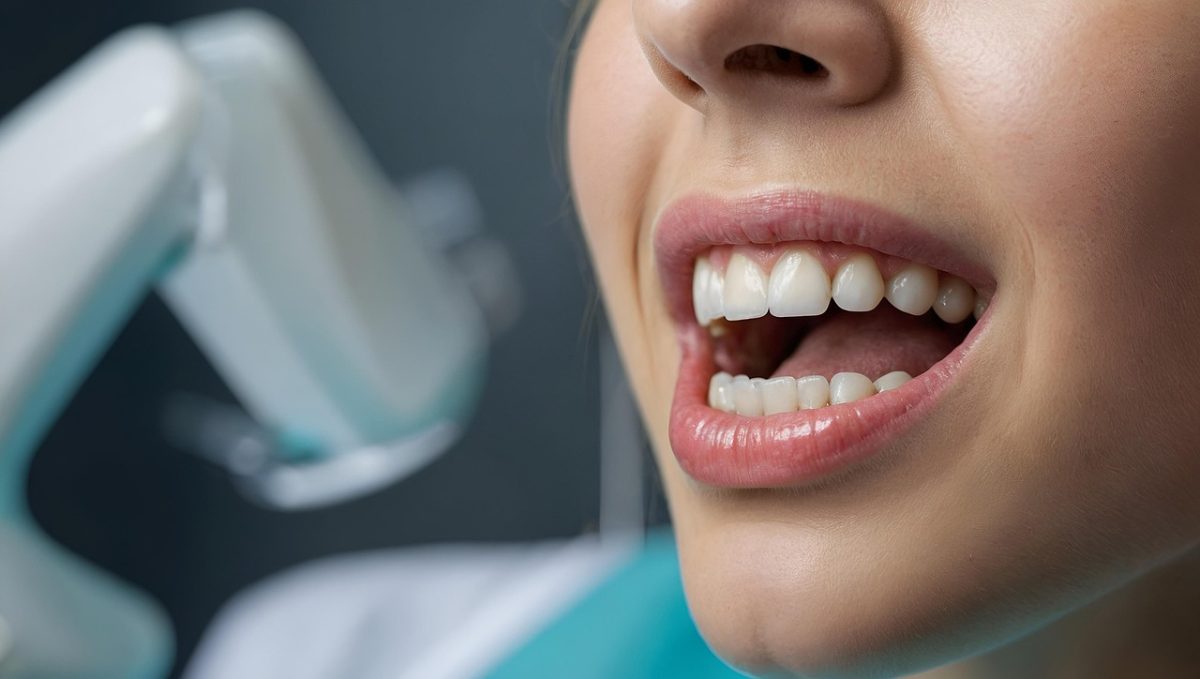
Most oral problems begin silently. Decay, gum disease, or even oral cancers can progress without any visible signs until they are painful or life-threatening.
Regular checkups detect issues in their earliest phases when treatment is simple, fast, and low-cost.
For example, a small cavity detected early enough may require a minor filling, but delaying too long may result in a root canal or tooth loss.
Preventive treatment removes the need for lengthy treatments that consume your time and drain your finances.
By visiting a veteran dentist huntington indiana, for routine exams and cleanings, you can identify issues early and receive early intervention before they escalate. This protects your oral health and gives you peace of mind.
2. Routine Cleanings Prevent Plaque and Tartar Build-Up

Even with impeccable brushing and flossing, plaque develops in unreachable areas. If not disturbed, plaque turns into tartar, a hardened deposit that can be cleaned off only with professional tools. Tartar leads to inflammation of the gums and gingivitis and, if left untreated, periodontal disease.
Professional dental cleanings remove these harmful substances, reduce inflammation, and leave your mouth with a clean, healthy feeling.
Additionally, cleanings allow your dental team to evaluate your hygiene routine and make specific suggestions.
Regular cleanings every six months or as your practitioner advises drastically reduce your risk for cavities and gum disease.
3. Gum Health Is Important to Overall Health
Preventive dentistry isn’t just about teeth—your gums are important to your body’s overall health.
Studies have linked gum disease (periodontitis) to systemic conditions such as diabetes, heart disease, and respiratory infection.
Inflammation of gum disease can become chronic and, through the bloodstream, place other organs at risk for developing complications.
Regular checkups offer constant gum health monitoring with professional scaling, gum pocket measuring, and inflammation detection in its early stages.
Gum disease can be reversed or prevented from worsening with treatment early on. Preventing gum disease and enjoying healthy gums helps safeguard your mouth and can lower your risk for significant health issues in your whole body.
4. Prevention Teaches Children Lifelong Healthy Habits
Starting children on preventive habits at an early age positions them for success. Preventive pediatric dentistry focuses on cleanings, fluoride, sealants, and education that teaches children how to keep their teeth and gums healthy.
Routine visits establish confidence in the dentist and reverse dental fear, a common issue in adulthood.
Kids who learn to value dental health are more likely to be adults who assume it. This prevents a cycle of neglect and expensive intervention down the line.
Additionally, monitoring a child’s oral growth offers early intervention in case of misalignment, crowding, or other orthodontic needs.
5. Preventive Care Encourages Mental and Social Well-Being
A healthy smile is directly related to confidence, self-esteem, and social comfort. Oral issues like bad breath, missing teeth, or discoloration bring about embarrassment, withdrawal, and a decreased quality of life.
By investing in preventive dentistry, you reduce your risk of having to suffer through these issues.
Simple habits like regular brushing, flossing, and dental cleanings help preserve your teeth and your ability to smile and communicate with others.
When your mouth feels and appears good, it positively affects your speaking, eating, and socializing, resulting in better emotional and mental health in general.
6. Prevention Lessens the Need for Dental Emergencies
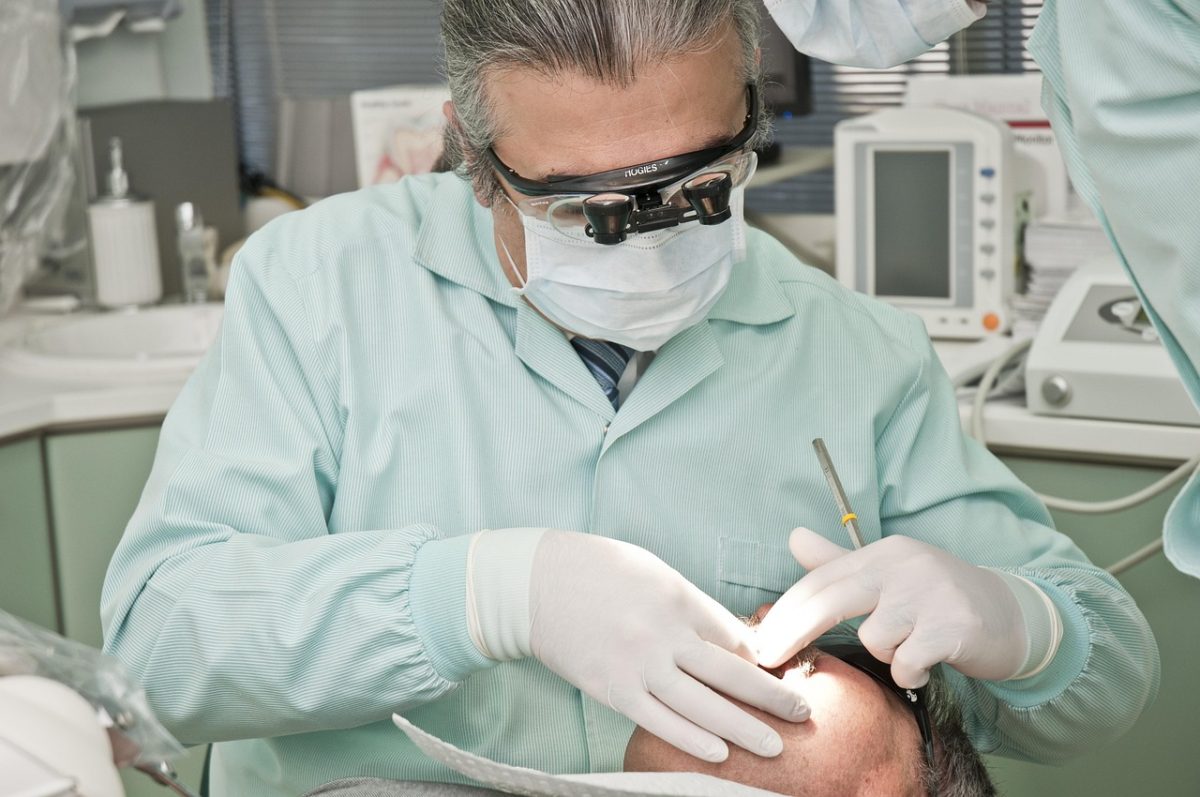
Dental emergencies, such as unexpected toothache, abscess, or tooth breakage, can happen unexpectedly and require prompt, costly treatment.
While not all emergencies can be prevented, many result from untreated decay, infection, or weakened enamel.
Regular dental checkups enable practitioners to evaluate risk factors and administer preventive measures such as sealants, grinding night guards, or even directions for trauma prevention for sports.
Proactive treatment effectively lowers the risks of acquiring sudden dental emergencies that interrupt your life.
This dentist in Little Neck NY adds that beyond preventative treatments, maintaining a consistent at-home oral hygiene routine is crucial. Brushing twice a day and flossing daily helps to remove plaque and food particles that can lead to decay and gum disease. This simple, consistent habit is your best defense against many common dental emergencies.
7. Prevention Supports Aging Gracefully with Natural Teeth
As we age, our oral health needs become more complex. The risk of tooth loss, gum recession, dry mouth, and decay around old dental work increases significantly. However, prevention empowers individuals to retain their natural teeth well into their later years.
Regular dental visits help monitor changes in oral health associated with aging, including medication-related dry mouth, wear from grinding, or the loosening of older fillings and crowns. Preventive care like fluoride treatments, gentle cleanings, and dietary counseling is especially valuable for seniors in maintaining strong enamel and gum support.
Final Thoughts
Preventive dentistry is more than a practice—a philosophy focusing on long-term health instead of short-term solutions. Investing in preventive checkups, cleanings, and healthy daily habits creates a lifelong foundation of oral and overall wellness.
Whether you’re trying to avoid cavities, maintain healthy gums, or enable your kids to have strong smiles, prevention is the most intelligent—and cost-saving—investment you can make. Individuals who want to take charge of their oral health can schedule an appointment with an experienced dentist in Huntington, Indiana, to begin moving toward lifelong health.