How To Ensure Reliable And Efficient Global Shipping Every Time
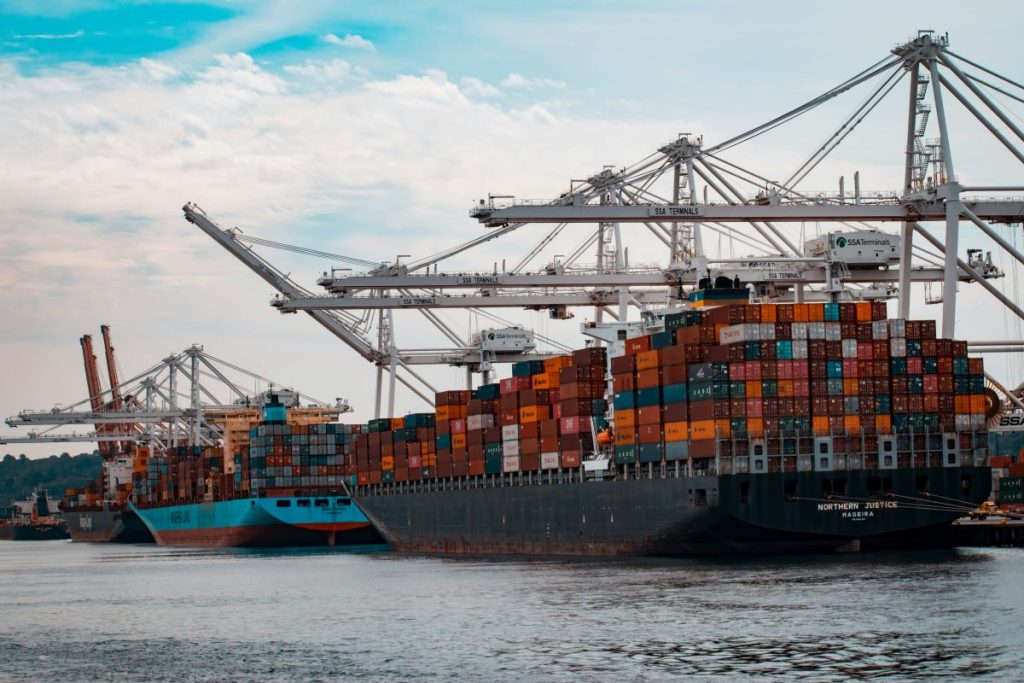
Global trade depends on dependable and well-organized shipping systems. Every business that exports or imports goods knows the challenges of maintaining consistent delivery times, protecting product quality, and managing costs. Whether sending consumer goods across continents or heavy machinery overseas, reliability in global shipping is not just about transportation; it’s about coordination, communication, and planning. The process involves multiple stakeholders, including freight forwarders, customs authorities, carriers, and logistics partners, all of whom play a role in getting products safely to their destinations. To maintain efficiency and dependability in this interconnected network, companies need strategies that address everything from documentation to technology integration.
Understanding International Shipping Regulations
Each country has its own customs laws, tariff systems, and import restrictions, all of which affect how quickly goods can move through ports. Businesses that wish to avoid costly delays must invest time in understanding these rules before dispatching their shipments. Missing or incorrect documentation often leads to longer inspection periods and unplanned fees, which can significantly disrupt supply chains.
When shipping to Australia, for instance, import procedures are known to be highly structured, requiring accurate declarations and quarantine checks. Partnering with logistics experts who are familiar with these systems can help maintain compliance and predict potential bottlenecks. The same approach applies across all major trade routes, where being informed about local regulations can save days or even weeks in processing time. Reliable shipping depends as much on preparation as it does on movement.
Strategic Planning for International Destinations
Effective global shipping requires detailed coordination between routes, timelines, and transport modes. Air freight may be faster, but it is also more expensive than sea freight. Ocean shipping, while more economical, can be affected by port congestion or adverse weather. Selecting the right balance between cost and timing is crucial. For companies managing exports to distant markets, creating flexible shipping plans for Australia moves can be particularly useful when adapting to sudden changes such as customs delays or container shortages. Flexibility allows shippers to reroute goods or adjust schedules without major disruption. This adaptability is key to maintaining efficiency across various trade environments. The more tailored a shipping plan is to a country’s infrastructure and customs procedures, the smoother the delivery process becomes.
Leveraging Technology for Real-Time Tracking
Digital tools have reshaped how businesses monitor global shipments. Real-time tracking systems now allow companies and customers to follow a package’s journey from departure to arrival. This transparency builds trust and helps logistics teams respond quickly to unexpected changes.
Modern tracking solutions can integrate directly with warehouse management systems and customer service platforms. When a delay occurs, the data can immediately trigger alerts, allowing teams to adjust operations or inform clients. Such systems reduce manual follow-up and give businesses a clearer understanding of their supply chain performance.
Artificial intelligence and data analytics are also improving shipping forecasts. By analyzing historical data, these systems can predict delivery times and optimize routes. This predictive ability reduces waste and improves consistency in international deliveries. Businesses that invest in these technologies often find that customer satisfaction rises alongside operational efficiency.
Building Reliable Partnerships Across Borders
No global shipping process works in isolation. A dependable logistics network depends heavily on the relationships between freight forwarders, carriers, and local agents. Building long-term partnerships with trustworthy service providers helps businesses maintain consistency and manage costs more effectively.
Working with partners who have established reputations in specific regions often leads to smoother customs clearance and faster turnaround at ports. Local agents can offer insights into regional infrastructure, transportation costs, and potential risks that might not be apparent from abroad.
Reducing Environmental Impact in Shipping Operations

Sustainability has become a central consideration in logistics management. International shipping contributes significantly to global carbon emissions, making it critical for companies to rethink their practices. Energy-efficient vessels, optimized routing, and improved container utilization are just a few of the ways businesses can minimize their environmental footprint.
Some companies are adopting alternative fuels, such as liquefied natural gas, or experimenting with hybrid engine systems that reduce emissions during long voyages. Digital route optimization also plays a role in sustainability by identifying shorter or less congested paths.
Packaging is another area of focus. Using recyclable materials and minimizing excess packaging not only supports environmental goals but also reduces shipping weight and costs. Consumers increasingly favor brands that demonstrate responsibility in their logistics practices, so sustainable shipping methods can also strengthen a company’s reputation in the global marketplace.
Managing Costs Without Sacrificing Quality
Balancing cost control with service reliability remains one of the biggest challenges in international shipping. Transportation expenses can fluctuate based on fuel prices, demand, and geopolitical conditions. The key lies in maintaining efficiency without compromising the integrity of the supply chain.
Volume-based discounts and long-term carrier contracts can stabilize costs. Companies can also consolidate shipments to make better use of container space, reducing the per-unit shipping expense. At the same time, avoiding low-quality services that might cut corners is essential, as delays or damaged goods can end up costing far more in the long run.
Businesses that view logistics as a strategic function rather than a routine operation gain a competitive advantage in international trade. They reduce downtime, maintain customer trust, and improve overall profitability. Shipping is no longer just about moving goods from one point to another; it represents the global connection between producers and consumers, linking markets and sustaining economic growth through careful planning and consistent execution.
Read more: Modern Freight Forwarding – Minimising Disruptions in UK to Australia Logistics
Read more: Understanding Freight Forwarding: A Comprehensive Guide