Can Solar Cameras Protect Your Home at Night?
Securing a home during the night is crucial for peace of mind and the protection of loved ones and property. Criminal activities like burglaries and vandalism mostly take place under the cover of darkness. Therefore, an efficient nighttime security system can act as a strong deterrent against such activities. Homeowners prioritize safety and often seek solutions that are easy to implement and maintain. With technological advancements, security cameras have become smarter, offering robust protection capabilities. Among these, solar-powered security cameras stand out, providing reliable, green solutions for home safety at night. By harnessing solar energy, they offer uninterrupted surveillance, making them an attractive choice. This guide explores how solar cameras operate and how they can be integral to a home’s nighttime security strategy.
How Solar Security Cameras Operate After Sunset
How Solar Panels Capture Energy for 24/7 Protection
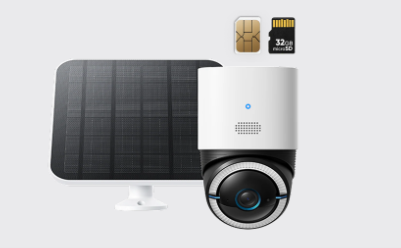
Solar security cameras utilize photovoltaic panels to harness sunlight, converting it into electrical energy. During daylight hours, these cells collect and store abundant energy, ensuring the camera functions smoothly throughout the night. The panels are typically mounted on or close to the cameras in locations with maximum sun exposure for efficient energy absorption. On average, modern solar panels have impressive conversion rates, often between 15-20%, allowing them to generate significant energy even on cloudy days. The design ensures minimal energy wastage, leading to an optimal power supply. By analyzing sunlight availability and employing advanced photovoltaic technologies, solar cameras can collect enough power to sustain continuous surveillance. Thus, they stand as self-reliant, eco-friendly security solutions by minimizing the need for traditional electricity sources.
Battery Storage and Continuous Night Monitoring
A crucial component of solar security systems is the battery. These systems frequently utilize lithium-ion or lithium-polymer batteries, celebrated for their long lifespan and high efficiency. During the day, solar panels transmit energy to the batteries, charging them fully even in lower light conditions. Come night; these batteries discharge the stored energy to power the cameras uninterruptedly. The storage capacity of these batteries is pivotal. Manufacturers design them to hold ample charge, maintaining camera operation even after a string of cloudy days. Besides, these batteries are geared with smart management systems, regulating energy use and ensuring longevity. Consequently, the assurance of constant energy flow from the charged batteries guarantees that cameras offer reliable nighttime monitoring, effectively capturing any suspicious activity.
Night Vision Technology in Modern Solar Cameras
Infrared and Color Night Vision for Clear Visibility
Night vision in modern solar cameras revolves around infrared (IR) technology and, increasingly, color night vision. Infrared cameras employ IR LEDs to illuminate the scene, offering greyscale images capable of revealing movements or details in pitch-black environments. The number of IR LEDs determines the quality and range of the night vision—more LEDs result in clearer, more extended coverage. Meanwhile, advancements have ushered in color night vision capabilities thanks to low-light sensors and specially designed lenses. With this technology, cameras can capture full-color images even under faint light conditions like moonlight. These vivid depictions provide additional detail, assisting in easier identification of individuals or objects. The harmony of IR technology and color vision significantly enhances the effectiveness of solar cameras at night.
Smart Motion Detection and Instant Alerts at Night
Equipped with smart algorithms, today’s solar cameras offer precise motion detection capabilities. By pinpointing and analyzing moving objects, these cameras can distinguish between harmless movements, like a swaying branch, and more significant risks such as an intruder. Upon detecting suspicious activity, the cameras can instantly send notifications or alerts to homeowners via connected mobile apps or systems. This immediacy allows for swift action—whether reviewing live footage, activating floodlights, or alerting authorities. Some advanced models even integrate Artificial Intelligence (AI) to offer insights like object recognition, further refining threat assessment capabilities. Hence, smart motion detection not only optimizes the surveillance process but also amplifies peace of mind for homeowners as they are quickly informed of any potential threats at their property.
Why Homeowners Choose Solar Cameras for Night Protection
Ideal Locations for Solar Cameras Around the Home
Determining the right locations for solar security camera enhances their performance. Typically, strategic placement ensures maximum solar exposure and optimal surveillance coverage. On the exterior, these cameras excel when positioned above entry points like main doors, garage areas, and gates, catching potential intruders as they approach the house. In addition, placing cameras around backyard areas, side alleys, and driveways provides a comprehensive security net, monitoring for suspicious activities in neglected spots. Endowing these cameras with a broad field of view or using multiple cameras further heightens their effectiveness. However, homeowners must avoid obstructions such as tall trees or structures, as they can impede sunlight access. By methodically selecting camera sites, users can maximize both sun exposure and area coverage, securing their properties robustly.
How Solar Cameras Support a Smarter Security Setup
Solar cameras present multiple benefits that fit seamlessly within a smart home framework. Integrating with home automation systems, these cameras can collaborate with other smart devices. For example, motion-triggered lighting complements night recording, delivering clearer footage. Additionally, connecting to smart locks affords automatic locking or unlocking during detected movements. Smart home hubs permit centralized control, putting users in full command of their home security ecosystem and allowing them to monitor live or recorded footage regardless of their location. Eco-conscious homeowners also favor these systems due to their sustainable design, minimizing reliance on fossil-fuel-generated electricity. Importantly, these systems are versatile and easy to install since they don’t require extensive wiring. Hence, embracing solar cameras translates to a more efficient, responsive, and environmentally responsible home security setup.
Conclusion
Solar security cameras emerge as effective tools for nighttime home protection. They combine sustainable energy use with advanced monitoring technologies, providing clarity and assurance even in the dark. Harnessing solar power ensures uninterrupted operation, while features like infrared or color night vision offer visibility no matter the conditions. Their integration into smart home systems further illustrates their adaptability. For homeowners seeking reliable, eco-friendly security solutions, solar cameras stand out as an intelligent choice. They not only secure properties but also contribute to a greener, more technologically integrated home environment. In evaluating modern security needs, it is clear that solar cameras offer a promising avenue to enhancing nighttime safety and peace of mind.